With your active dog’s safety and comfort in mind, choosing between a harness and a collar can significantly impact your walks and overall experiences. Harnesses are often preferred for high-energy dogs as they distribute pressure more evenly, reducing the risk of neck injuries. Conversely, collars may be convenient for everyday use, but they can pose risks for dogs that pull. This guide will help you weigh the benefits and drawbacks of each option, ensuring that you make the best choice for your furry companion’s needs.
Key Takeaways:
- Harnesses distribute pressure evenly and reduce strain on the dog’s neck, making them safer for active dogs that pull.
- Collars are more convenient for identification tags and quick leash attachment, but can cause discomfort if the dog pulls excessively.
- Choosing between a harness and a collar depends on the dog’s behavior, size, and the type of activities they engage in.
Understanding Dog Harnesses
A harness provides an optimal way to control your dog’s movement while ensuring comfort and safety. Unlike collars, harnesses distribute pressure across your dog’s body, minimizing strain on their neck. This feature is particularly beneficial for active dogs, who may pull or lunge during walks. Well-fitted harnesses boost your dog’s confidence and can prevent injury during vigorous activity, especially for breeds prone to respiratory issues or neck problems.
Types of Harnesses
Various types of harnesses cater to different dog needs and activities:
- Front-clip harnesses: Ideal for training, they discourage pulling.
- Back-clip harnesses: Best for calm walkers or casual outings.
- Dual-clip harnesses: Versatile for both front and back attachment.
- Sports harnesses: Specifically designed for running and active pursuits.
- Vest-style harnesses: Provide added comfort for small dogs.
Perceiving the right type can significantly enhance your dog walking experience and enforce better behavior.
| Type of Harness | Best For |
| Front-clip | Training and pulling prevention |
| Back-clip | Calm or well-behaved dogs |
| Dual-clip | Versatility in control |
| Sports | Active outings like running |
| Vest-style | Small and sensitive dogs |
Benefits of Using a Harness
Implementing a harness for your dog comes with numerous advantages. Enhanced control during walks allows for a more enjoyable experience, reducing the risk of neck injuries caused by sudden pulls. Harnesses also provide a sense of security, encouraging positive behavior in anxious dogs. Additionally, some harnesses come with reflective features for safety during nighttime walks. The ergonomic design ensures a snug fit, reducing chafing while allowing freedom of movement.
Using a harness offers substantial benefits beyond mere control. With the ability to distribute pressure evenly, your dog experiences less strain on its body, making harnesses suitable for long walks and hikes. The added security encourages confidence in reserved dogs, fostering a happier and more engaged pet. Many modern harnesses feature breathable fabrics and adjustable straps to cater specifically to your dog’s build and activity level, optimizing comfort during rigorous exercise. This versatile gear can easily transition from everyday use to specialized activities, proving indispensable for an active lifestyle.
Exploring Dog Collars
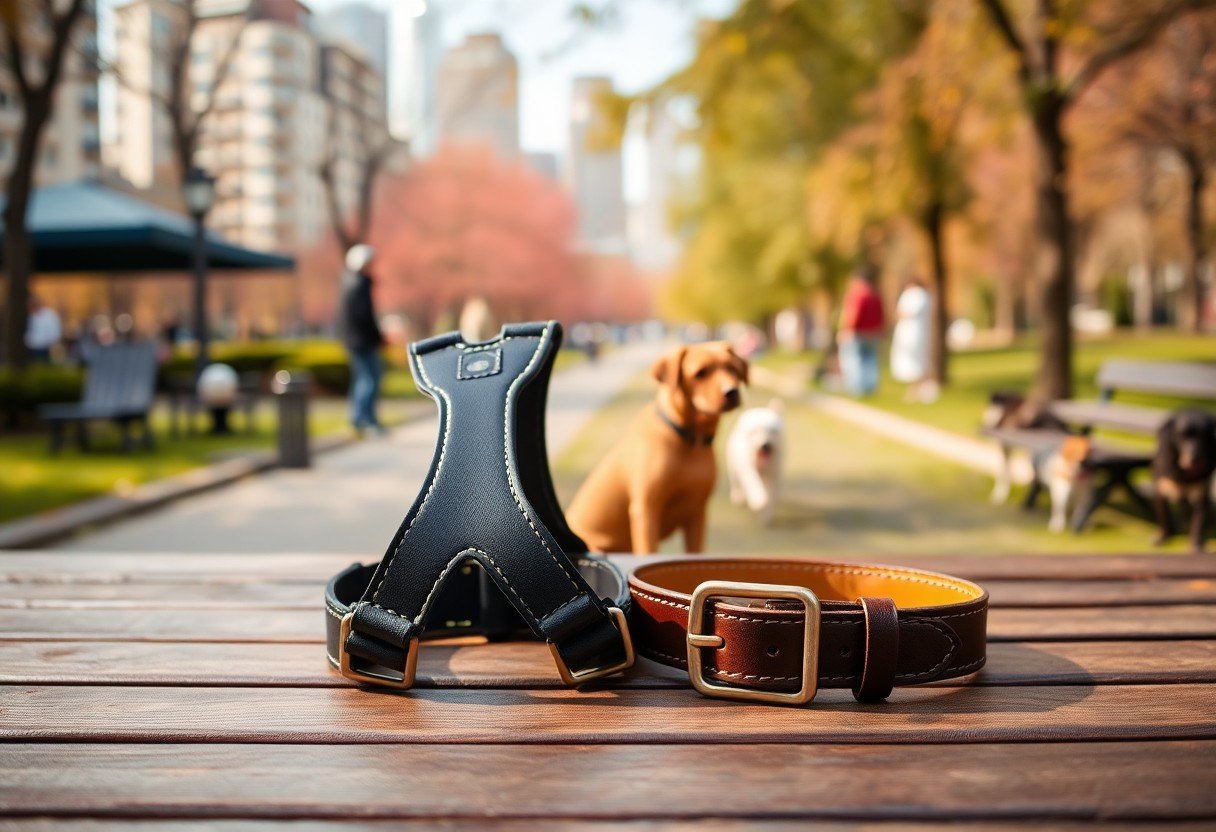
Collars are a conventional choice for dog owners and come in various styles suited for different needs and preferences. They can serve multiple functions such as holding identification tags, offering attachments for leashes, and even making a fashion statement. However, selecting the right collar involves considering the fit, material, and your dog’s specific activities to ensure both safety and comfort.
Types of Collars
Dog collars come in diverse styles tailored for specific needs:
- Flat Collars – Common for everyday use.
- Martingale Collars – Prevent slipping for breeds with smaller heads.
- Choke Collars – Used for training, but require caution.
- Head Collars – Control your dog’s head and behavior.
- Training Collars – Designed specifically for training sessions.
After exploring these options, you can better determine which collar suits your dog’s personality and activity level.
| Flat Collars | Best for general use and showing ID. |
| Martingale Collars | Offers a gentle correction without choking. |
| Choke Collars | Effective for training but risky if misused. |
| Head Collars | Gives you more control over pulling behavior. |
| Training Collars | Utilitarian designs for effective training sessions. |
Benefits of Using a Collar
Selecting a collar for your dog has numerous advantages that enhance both safety and functionality. Collars are typically easy to fasten, making them a convenient option for daily wear. They allow quick access to ID tags, which is vital for identification in case your dog gets lost. Moreover, collars can be visually appealing and showcase your dog’s personality while providing control during walks.
Collars can also complement training routines by reinforcing commands, rewarding positive behavior, and simplifying leash attachment. The convenience of quickly slipping a collar on and off makes them favorable for errand runs or short trips outside. Weight and fit contribute to the collar’s advantages, as many options are lightweight and unobtrusive. Prioritizing a collar that fits well can reduce the risk of injury or escape, setting the stage for a safe and enjoyable outing. Choose wisely based on your dog’s unique traits, focusing on comfort and functionality.
Factors to Consider for Active Dogs
Choosing between a harness and a collar for your active dog involves several factors. Start by assessing your dog’s size and breed to determine the best fit. Consider their activity level and specific behaviors, as these can significantly impact your choice. Ensure comfort and control, especially if you engage in high-energy activities. The right choice fosters a positive experience for both you and your dog. For further insights on this topic, check out Dog Collar Vs Harness: The Right Choice for Your Canine ….
Dog’s Size and Breed
Your dog’s size and breed play a significant role in determining the right equipment. Smaller breeds may benefit from a lightweight harness, which minimizes strain, while larger breeds often require more robust collars or harnesses that can withstand their strength. Understanding your dog’s unique characteristics ensures proper fit and comfort.
Activity Level and Behavior
Active dogs, especially those with a high energy level, often require specialized harnesses that allow for greater range of motion and control. A highly energetic dog may pull, lunge, or dart, making a secure harness crucial for safety. Conversely, more laid-back dogs might adapt well to standard collars, offering less resistance during walks.
Evaluate your dog’s specific activity level and behavior. An active dog might benefit from a front-clip harness, which discourages pulling by redirecting their movement. Dogs that frequently engage in activities like running or hiking may need a more durable design to withstand their vigorous behavior. Look for features like adjustable straps and padding for added comfort, ensuring your dog stays active without discomfort.
Safety and Comfort
Choosing between a harness and a collar hinges on your dog’s safety and comfort. Proper fit is crucial; a harness can distribute pressure evenly across your dog’s body, reducing strain on the neck. Dog Harnesses and Dog Collars: Which Is Right For Your … offers valuable insights on achieving the best fit for your active pup.
Reducing Injury Risks
Harnesses significantly lower the risk of injury, especially for dogs that pull. With a harness, the pressure is spread across the chest and back rather than the neck, which minimizes potential damage to the trachea or spine. This is particularly vital for breeds prone to respiratory issues.
Ensuring Comfort During Activity
The right harness can enhance your dog’s comfort during activities. For instance, a well-fitted harness allows for a full range of motion, letting your dog run, jump, and enjoy freedom without restrictions. Materials like lightweight mesh keep the harness breathable, preventing overheating during active play. Additionally, padded straps can eliminate chafing, making walks more enjoyable for your dog.
Training and Control
Effective training and control are vital for enjoying outdoor activities with your active dog. The right choice between a harness and collar can significantly impact training success. Harnesses offer increased control by reducing strain on the neck and encouraging better posture, while collars can provide a quick means to guide your dog in high-energy situations. Understanding how each option influences your ability to train and control your dog is vital.
Leash Training with Harnesses
Using a harness for leash training can be advantageous, especially for strong pullers. Harnesses help mitigate the risk of injury by distributing pressure over the dog’s body rather than concentrating it on the neck. This setup allows for better steering capability, making it easier to redirect your dog’s focus and reduce pulling behavior during walks.
Leash Training with Collars
Collars are often preferred for leash training due to their simplicity and ease of use. Many trainers recommend flat collars for basic obedience training, as they provide a direct connection between you and your dog. However, be cautious with strong pullers; excessive pulling can lead to injury or discomfort around the neck. For dogs that are already accustomed to a collar, it’s vital to incorporate positive reinforcement techniques to enhance leash manners effectively.
Personal Preferences and Best Practices
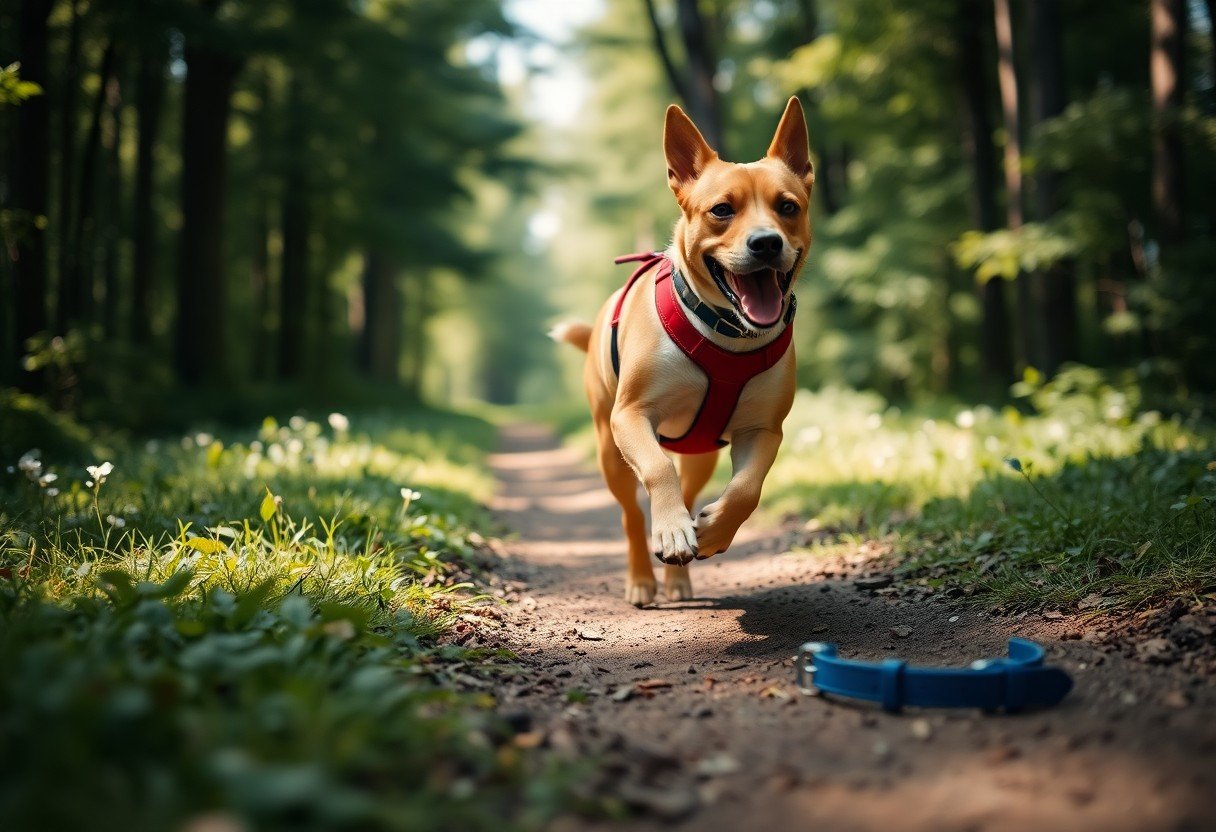
Your choice between a harness and a collar often reflects personal preferences and established best practices for handling your dog. Consider your lifestyle; active owners may lean towards harnesses for better control, while those in controlled environments might prefer collars for easier access to ID tags. Evaluate the specific activities you engage in with your dog, as this can significantly impact your decision.
Owner’s Handling Style
Your handling style greatly influences whether a harness or collar is more effective. If you tend to use a gentle, guiding approach, a collar may suffice for everyday walks. Conversely, if your dog pulls or requires assertive control, a harness may provide the added security you need to manage their behavior.
Dog’s Response and Comfort
Your dog’s response to either a harness or collar can vary widely based on their individual personality and comfort level. A well-fitting harness can alleviate pressure on sensitive areas, promoting relaxed movement. On the other hand, some dogs may feel restricted by a harness, preferring the simplicity of a collar. Observing your dog’s behavior during walks and playtime will offer valuable insights into their preferred option.
Focus on how your dog reacts to the gear while walking. Some dogs may show signs of discomfort with a harness, such as panting or attempting to wiggle free, indicating it may be too tight or poorly fitted. Others flourish in a harness environment because it allows them to roam comfortably without the choking risk a collar may pose during pulling. Always prioritize fit over form, as a well-fitting option—whether collar or harness—ensures your dog feels secure and free to enjoy their outdoor adventures.
Conclusion
Hence, choosing between a harness and a collar for your active dog depends on your dog’s specific needs and behavior. Harnesses provide better control and comfort for energetic dogs, while collars can be more convenient for everyday use. Assess your dog’s activity level, size, and training requirements to make the best choice. By selecting the appropriate option, you enhance your dog’s safety and overall experience during walks and outdoor activities.
FAQ
Q: What are the main differences between a harness and a collar for active dogs?
A: Harnesses distribute pressure across the dog’s body, reducing strain on the neck and throat. Collars typically concentrate pressure at the neck, which can be uncomfortable for active dogs who tend to pull. Harnesses provide better control and prevent escape, while collars are easier for quick attachment and everyday use.
Q: When should I choose a harness over a collar for my active dog?
A: Choose a harness for active dogs that pull excessively, have respiratory issues, or participate in activities like hiking, running, or agility training. Harnesses offer more support and control, reducing the risk of injury from pulling on the leash.
Q: Can using both a harness and a collar be beneficial for my active dog?
A: Yes, using both a harness and a collar can be beneficial. A harness can be used for walks or training, while a collar can hold ID tags and be used for quick leash attachment. This combination provides versatility and security in different situations.