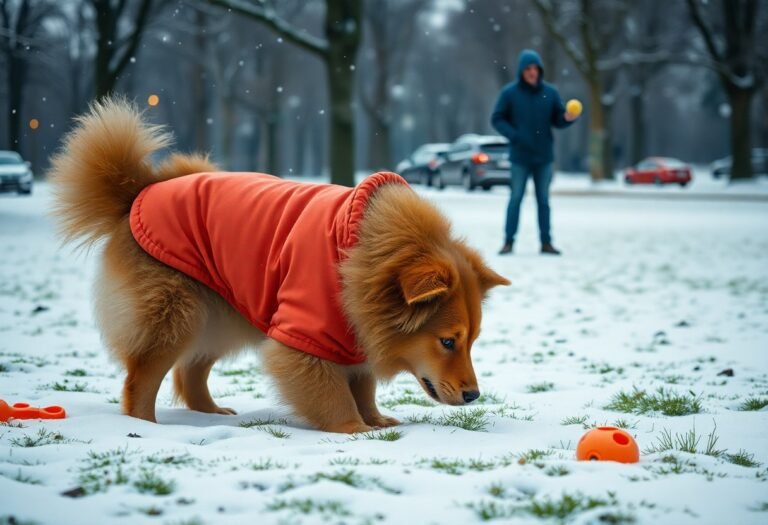
There’s nothing quite like enjoying a peaceful walk with your dog during the early morning or evening hours. However, low light conditions can make it challenging for drivers and other pedestrians to see you and your furry friend. By implementing a few simple tips and tools, you can ensure your dog remains highly visible and safe during these twilight strolls. In this guide, you’ll find practical strategies to enhance visibility, making your walks more enjoyable and worry-free.
Key Takeaways:
- Utilize reflective gear for your dog, such as vests, collars, and leashes that enhance visibility in low-light conditions.
- Incorporate lighted accessories like LED collars or harnesses to ensure your dog stands out during early morning and evening walks.
- Always choose walking routes that are well-lit and familiar, avoiding isolated areas to enhance safety during walks.
Understanding the Importance of Visibility
Visibility is necessary for keeping your dog safe during early morning and evening walks. Poor lighting conditions increase the risk of accidents, making it harder for drivers and other pedestrians to see your furry friend. It’s important to prioritize visibility to ensure you both enjoy your walks without unnecessary danger.
Factors That Affect Visibility
Several factors impact how visible your dog is during low-light walks. These include:
- The time of day, particularly dawn and dusk
- Weather conditions, such as fog or rain
- The presence of natural obstacles like trees or shrubs
- The colors of clothing and gear you and your dog wear
The right equipment can significantly enhance your dog’s visibility in these varying conditions.
Why Visibility Matters for Your Dog
Ensuring your dog is visible reduces the likelihood of accidents and enhances their safety. With cars traveling at high speeds, even a momentary lack of visibility can lead to serious consequences. Your dog’s reflective gear, such as collars and vests, not only makes them more visible but also alerts oncoming traffic, giving you peace of mind during your walks.
Statistics show that nearly 1.2 million animals are killed each year in traffic accidents. By improving your dog’s visibility, you not only keep them safe but also take an active role in preventing these tragic incidents. Investing in bright-colored gear or LED lights can further boost their visibility, making it easier for you to enjoy your time outdoors without worry.
Types of Visibility Aids
Regarding keeping your dog visible during those early morning and evening strolls, several visibility aids can make a significant difference. Each option has unique features catering to different needs and preferences.
- Reflective Gear
- LED Accessories
- Brightly Colored Leashes and Collars
- Glow-in-the-Dark Materials
- High-Visibility Pet Clothing
Recognizing the effectiveness of each type can ensure your dog remains safe and visible.
| Type | Description |
| Reflective Gear | Enhances visibility by reflecting light from headlights and streetlamps. |
| LED Accessories | Provides illumination through built-in lights, visible from a distance. |
| Brightly Colored Leashes and Collars | High-contrast colors ensure visibility against various backgrounds. |
| Glow-in-the-Dark Materials | Absorbs light during the day and glows at night. |
| High-Visibility Pet Clothing | Made with bright colors and reflective strips for added safety. |
Reflective Gear
Reflective gear is an imperative addition to your dog’s walking outfit. Items like vests and collars fitted with reflective strips can dramatically improve visibility by bouncing back light, making your dog easier to spot. Such accessories work best when paired with other visibility aids to provide maximum safety.
LED Accessories
LED accessories can illuminate your dog and the immediate area around you. These options come in various forms, including collars, leashes, and even harnesses, equipped with bright lights. Whether steady or flashing, LED lights increase your dog’s visibility significantly when out in low-light conditions.
From simple blinking lights to more elaborate illuminated collars, LED accessories offer a customizable approach to visibility. Some come with multiple settings, allowing you to choose between steady and flashing modes based on your environment. Investing in LED options not only ensures your dog stands out but also provides peace of mind during nighttime walks.
Brightly Colored Leashes and Collars
Brightly colored leashes and collars are a straightforward way to enhance visibility. Colors like neon yellow, orange, or pink stand out against darker backgrounds, making it easier for drivers and pedestrians to spot your dog from a distance. Incorporating vivid hues into your walking gear adds both safety and style.
These vibrant accessories can often be found in various designs and materials, allowing you to express your dog’s personality while keeping safety a priority. Make sure the color contrasts well with the surroundings, especially in low-light situations, to ensure maximum visibility for your furry friend.
Tips for Keeping Your Dog Visible
To ensure your dog remains visible during early morning and evening walks, several practical strategies can be employed. Consider the factors affecting visibility, such as distance, speed, and surrounding light levels, and adapt accordingly to keep your furry friend safe.
- Invest in reflective collars and leashes.
- Use light-up accessories like LED tags or clip-on lights.
- Dress your dog in bright or fluorescent colors.
- Plan your walking route to include well-lit areas.
- Carry a flashlight or wear a headlamp for additional visibility.
Any enhancements will contribute to your dog’s safety and visibility.
Choosing the Right Gear
Selecting gear that’s visible in low light is vital for your dog’s safety. Reflective collars, adjustable vests, and lighted leashes can significantly increase visibility at dawn and dusk. Ensure any gear is well-fitted, comfortable, and suited to your dog’s size and breed. Brands like Ruffwear offer high-visibility options that combine safety with style, allowing your dog to shine, even on the darkest walks.
Using Lighted Routes
When planning your walks, prioritizing well-lit routes is a key tactic. Streets with lamp posts or ample vehicle traffic usually provide the best visibility. Familiarize yourself with your neighborhood’s lighting conditions and consider timing your walks to coincide with daylight hours whenever possible. If you’re walking in areas that lack sufficient lighting, look for parks or paths that are known to be illuminated.
Additionally, consider using applications or local resources to find designated walking trails that maintain lighting features. Many urban areas have parks with outdoor lighting which enhances safety significantly during nighttime strolls. Engaging with community resources can help you discover new lighted routes that make evening walks more enjoyable and secure for you and your dog. Investing in reflective gear remains effective, but walking in well-lit areas adds an extra layer of protection against potential hazards.
Step-by-Step Guide to Preparing for Walks
| Planning Your Walk Schedule | Determine the best times for walks by considering daylight hours and your dog’s activity levels. Aim for early mornings or late evenings to avoid the heat, while ensuring you both are visible. |
| Preparing Your Dog’s Gear | Gather important items such as a reflective leash, collar, or harness. Ensure your dog is comfortable with the gear and that all equipment is in good condition. |
| Setting the Right Tone for Safety | Establish a positive walking routine by using commands and rewards to encourage behavior. This helps reinforce safety and keeps both of you focused during walks. |
Planning Your Walk Schedule
Timing your walks is important for safety and enjoyment. Choose early morning or evening slots when visibility can be enhanced with reflective gear. You may also want to consider your dog’s energy levels, opting for shorter walks during hotter parts of the day.
Preparing Your Dog’s Gear
Assembling your dog’s gear is key to a safe walk. Invest in a reflective leash and collar that complement your dog’s size and temperament, ensuring comfort and visibility. Regularly check for any wear and tear to maintain safety and functionality during each outing.
Make sure to adjust your dog’s gear to fit properly. Loose collars can slip off, while tight ones may cause discomfort. In addition to reflective items, consider using a light-up collar or LED attachments, especially for evening walks. Having a backup leash handy can be beneficial too, just in case the primary one malfunctions.
Setting the Right Tone for Safety
Creating a safe walking environment relies on establishing a positive atmosphere. Employ commands such as “heel” or “stay” to guide your dog, rewarding good behavior with treats or praise. This not only promotes safety but also strengthens your bond.
Incorporate training techniques during your walks to keep your dog engaged and focused. Regular reinforcement of commands can help manage potential distractions from vehicles and other pedestrians. Feeling confident in your control can ultimately improve both your safety and your dog’s behavior in varying environments.
Pros and Cons of Various Visibility Options
| Pros | Cons |
|---|---|
| Reflective gear enhances visibility in low-light conditions. | Some materials may wear out or fade over time. |
| LED lights can be seen from a distance. | Battery-operated lights require regular replacements. |
| Collars with bright colors are easily noticeable. | Bright colors may not stand out in certain environments. |
| Blinking accessories grab attention from passing vehicles. | They might distract your dog or cause anxiety. |
| Reflective leashes provide dual visibility. | They can be bulkier, making them less comfortable. |
| Lighted vests cover a large area for visibility. | Vests can restrict movement if improperly fitted. |
| Highly visible accessories improve your confidence during walks. | Some accessories can be expensive. |
| Customizable options allow for personal expression. | Pockets for light batteries may make washing difficult. |
| Many options are widely available online and in stores. | Not all products deliver on their promises of visibility. |
| Easy to find matching gear for you and your dog. | Oversaturation of options can lead to confusion. |
Benefits of Reflective Materials
Using reflective materials for your dog’s gear significantly increases visibility, especially in low-light settings. The reflective properties bounce light back towards its source, making your dog more noticeable to drivers and cyclists. This added visibility provides you with peace of mind during early morning or evening walks, helping ensure safety for both you and your furry friend.
Drawbacks of Certain Accessories
While visibility accessories are beneficial, they can come with drawbacks. For instance, the bulkiness of some reflective vests may restrict your dog’s natural movements or cause discomfort. In addition, some accessories require batteries that need regular replacing, which can be inconvenient. Moreover, not all reflective materials maintain their effectiveness after repeated washes, potentially reducing their usability over time.
Additional Safety Considerations
While visibility aids are imperative, there are additional safety measures to keep in mind during your early morning and evening walks. Always keep your dog’s collar secured, ensure identification tags are updated, and consider a GPS tracker for added peace of mind. Additionally, select familiar routes and be mindful of potential hazards such as uneven terrain or wildlife. Pair these practices with awareness of local traffic patterns and wildlife activity to enhance safety during your outings.
Staying Aware of Your Surroundings
Being tuned into your surroundings is vital for safety during walks. Observe nearby pedestrians, cyclists, and vehicles to avoid unexpected encounters. Familiarize yourself with your walking route and watch for sudden changes in the environment, such as new construction or wildlife sightings. This heightened awareness allows you to respond quickly, ensuring both you and your dog remain safe during your walks.
Using Sound and Light to Alert Others
Integrating sound and light into your walks can significantly enhance safety. Consider using a whistle or a personal alarm; both can alert others if you need assistance. Additionally, carrying a flashlight or using your phone’s light feature can illuminate your path and signal your presence to passing vehicles. These tools serve a dual purpose, improving visibility and ensuring you can call for help if needed.
Using sound and light effectively not only enhances your own safety but also that of your dog. A loud sound can draw attention if you find yourself in a precarious situation, perhaps losing sight of your dog or encountering a stray. Simple tools like reflective collars, LED leashes, or sound-emitting devices can help others notice you and your pet from a distance. With the right preparation, you can navigate low-light conditions confidently, reducing risks associated with early morning and evening walks.
Summing up
Now that you’re equipped with strategies to enhance your dog’s visibility during those early morning and evening walks, you can enjoy your outings with peace of mind. By incorporating reflective gear, LED accessories, and strategic route choices, you ensure that both you and your furry friend stay safe. Prioritizing visibility not only protects your dog but also allows you to make the most of your time together outdoors. Keep these tips in mind, and you’ll create a safer, more enjoyable walking experience for both of you.
FAQ
Q: What are effective ways to ensure my dog is visible during early morning and evening walks?
A: To enhance visibility, use reflective leashes, collars, and harnesses specifically designed for pets. Additionally, consider light-up or LED accessories such as collars and tags. Dressing your dog in bright, fluorescent colors can also make a significant difference in low-light conditions.
Q: Are there specific products that can help improve nighttime safety for dog walks?
A: Yes, products like glow-in-the-dark collars, blinking LED lights, and reflective vests are excellent choices. Also, consider using a high-quality flashlight or headlamp for yourself to illuminate the path while walking your dog.
Q: How can I train my dog to stay close during low visibility walks?
A: Begin by practicing leash training in distraction-free areas during daylight. Gradually introduce low-light environments while rewarding your dog for staying close. Teaching commands like “heel” and “come” can enhance safety during evening or early morning walks.