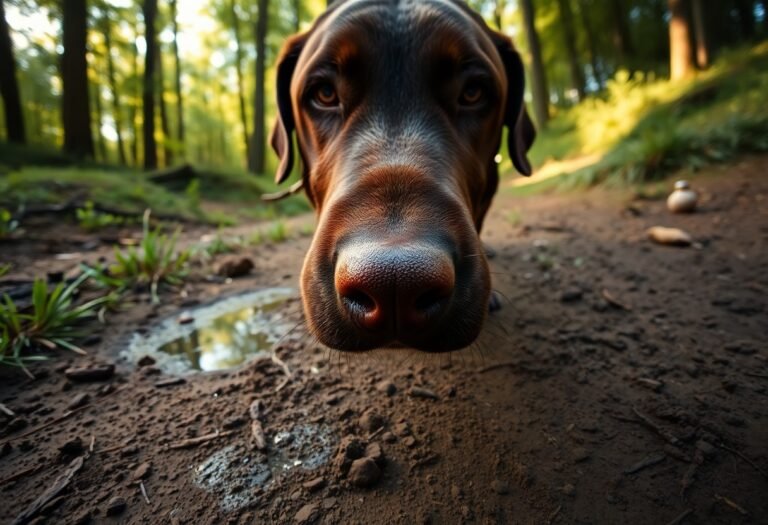
There’s a real risk of your dog encountering a copperhead snake on trails, especially in wooded or rocky areas. These venomous bites can be dangerous and painful, but you can reduce the threat. Staying on clear paths, keeping your dog leashed, and watching where they sniff or step are effective ways to prevent strikes.
Key Takeaways:
- Dogs often explore off-trail areas where copperheads like to hide in leaf litter, rocks, or logs, so keep them on a short leash to limit wandering near potential snake habitats.
- Stick to well-maintained, open trails and avoid tall grass, rocky outcrops, and fallen logs-common copperhead hiding spots-especially during warmer months when snakes are most active.
- Learn basic snakebite response: if your dog is bitten, stay calm, limit their movement, and get to a vet immediately-do not attempt to cut the wound or use a tourniquet.
Understanding the Threat: Copperhead Types and Identification
Knowing how to identify a copperhead snake can mean the difference between a safe hike and a medical emergency. These venomous reptiles are common in wooded and rocky areas across the eastern and central United States. While their venom is rarely fatal to humans or dogs, a bite can cause severe pain, swelling, and complications requiring immediate veterinary care. Thou must learn to recognize them before disaster strikes.
| Scientific Name | Agkistrodon contortrix |
| Typical Habitat | Forests, rocky hillsides, near water sources |
| Active Seasons | Spring through fall, especially warm afternoons and evenings |
| Average Length | 24-36 inches |
| Defensive Behavior | Freezes in place, relies on camouflage, may vibrate tail |
- Hourglass-shaped markings that are darker on the sides and lighter in the center
- Copper-red head with a distinct triangular shape
- Vertical slit pupils, similar to a cat’s eyes
- Heat-sensing pits between the eyes and nostrils
- Heavy-bodied build compared to many non-venomous snakes
Identifying physical characteristics and distinct color patterns
Look for the bold, hourglass-shaped bands that widen along the snake’s back and narrow on the sides. These patterns blend seamlessly with leaf litter, making the snake nearly invisible. A copper-colored head and dark vertical stripes on the face help confirm its identity. Their camouflage is so effective that you might step within inches before noticing.
Young copperheads have a bright yellow tail tip, which they wiggle to lure prey. This feature fades with age but is a key identifier in juveniles. Their skin color ranges from tan to pinkish-gray, always accented by rich chestnut crossbands. Thou should train your eye to spot these subtle yet consistent traits.
Distinguishing venomous copperheads from non-venomous lookalikes
Many harmless snakes, like the northern water snake or corn snake, mimic copperhead patterns. However, non-venomous species lack the triangular head and facial pits unique to copperheads. Their bands are usually more uniform and don’t narrow sharply at the spine.
Check the tail: non-venomous snakes often have bands that wrap fully and evenly, while copperheads have hourglass shapes that dip down the sides. Round pupils indicate a safer species; vertical pupils signal danger. Thou can avoid panic by learning these small but critical differences.
One key difference lies in behavior and body structure. Copperheads hold their ground and rely on camouflage, while many non-venomous snakes flee quickly. The presence of a pit between eye and nostril is exclusive to venomous snakes in this region. If you see it, assume it’s a copperhead and back away slowly with your dog.
Environmental Factors Influencing Snake Activity
Temperature and humidity play a major role in when and where copperheads are most active. These snakes rely on external heat sources to regulate their body temperature, making them more likely to be seen during warm daylight hours in spring and fall. You’ll often encounter them basking on sunlit trails or retreating into shade during peak afternoon heat. Precipitation also affects their behavior-snakes may emerge after rain when humidity is high and prey is more active. Recognizing these patterns helps you anticipate potential encounters.
Seasonal peaks and time-of-day risks for hikers
Spring and early fall mark the highest activity levels for copperheads, coinciding with mating season and cooler ambient temperatures. During these times, snakes are more mobile and frequently cross hiking trails. You’re most at risk during late morning to mid-afternoon, especially on warm, overcast days when snakes seek moderate heat. Avoid hiking during these windows if you’re in high-density areas.
Preferred habitats: Leaf litter, rocky outcrops, and fallen logs
Copperheads rely on natural cover for ambush hunting and thermoregulation. You’ll often find them hidden beneath leaf litter, nestled in rocky crevices, or coiled near decomposing logs. These environments offer both protection and ideal striking positions. Trails bordered by dense underbrush or scattered boulders increase your exposure.
Leaf litter provides excellent camouflage for copperheads, allowing them to remain nearly invisible until disturbed. Rocky outcrops retain heat and attract small mammals, making them high-risk zones for both snakes and curious dogs. Fallen logs serve as shelter and hunting blinds-never let your dog sniff or paw at such features. Recognizing these microhabitats sharpens your awareness on the trail.
Essential Gear and Preventative Tips for Dog Owners
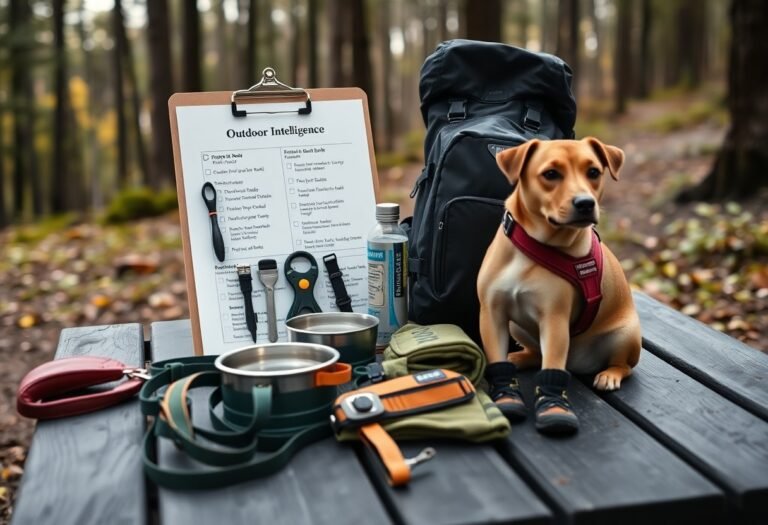
Always keep your dog under control with the right gear when hiking in copperhead territory. A sturdy, non-retractable leash under six feet ensures you can quickly pull your dog away from danger. Boots designed for dogs protect paws from accidental contact, while lightweight snake gaiters offer added defense on the lower legs. Thou can significantly reduce risk with thoughtful preparation and consistent habits.
Choosing the right leash and protective canine apparel
Use a standard 4-6 foot leash to maintain close supervision on trails. Retractable leashes increase the chance your dog wanders into leaf litter or rocky areas where copperheads hide. Opt for durable, breathable dog boots that shield paw pads from bites during sudden encounters. Some owners add snake-resistant gaiters, which are specially designed to block fangs from reaching the skin. Thou gain peace of mind knowing your dog has physical protection when exploring high-risk zones.
Snake aversion training: Pros and cons of different methods
Training your dog to avoid snakes can be lifesaving, but methods vary in safety and effectiveness. Below is a comparison of common approaches:
| Method | Pros and Cons |
| Electric collar conditioning | Pros: Fast results, strong aversion. Cons: Risk of fear-based trauma, not suitable for all temperaments. |
| Scent and sound exposure | Pros: Non-invasive, builds natural caution. Cons: Less reliable, may not trigger avoidance in real encounters. |
| Live snake exposure (controlled) | Pros: Most realistic response. Cons: High risk if not expert-led, potential for actual bite. |
| Simulated snake props | Pros: Safe, repeatable drills. Cons: Dogs may not perceive real threat. |
| Professional aversion programs | Pros: Structured, experienced trainers. Cons: Expensive, limited availability. |
Each method carries trade-offs between safety, reliability, and emotional impact on your dog. Electric collars may create a strong response, but can lead to anxiety around similar stimuli. Live exposure offers realism, yet demands expert handling to prevent injury. Simulated training is safest but may not translate to real-world reactions. Thou must weigh your dog’s temperament and your hiking habits before choosing a path.
Step-by-Step Guide to Safe Trail Navigation
| Proper trail positioning for the handler and the dog | Scanning the path and clearing rest areas safely |
Proper trail positioning for the handler and the dog
You should walk slightly ahead of your dog on narrow trails, keeping them close with a short leash. This positioning allows you to control their movement and prevent sudden lunges toward logs, rocks, or brush where copperheads may hide. Letting your dog lead increases the chance they’ll step near a coiled snake before you notice it.
Stay on marked paths and avoid letting your dog explore off-trail, especially near rocky outcrops or fallen timber. Copperheads favor warm, sheltered spots, and a curious dog can easily disturb one. Keeping your dog beside or behind you reduces exposure and gives you time to react.
Scanning the path and clearing rest areas safely
Before pausing for water or a break, scan the ground and surrounding area for at least 10 feet. Look carefully around logs, boulders, and leaf litter-copperheads often rest in these shaded zones. Never let your dog sniff or lie down in unexamined areas.
Use a hiking pole to gently tap the ground ahead or near rest spots. This creates vibrations that may prompt a hidden snake to move away. Never reach into crevices or dense brush with your hands or allow your dog to do so. Clearing the space first protects both of you from surprise encounters.
Scanning isn’t just a one-time check-it’s an ongoing habit. Light and shadows can hide a snake’s patterned body, so move slowly through high-risk zones. Sunny patches on cool mornings attract basking snakes, making trailside rocks and paved sections potential hotspots. Your vigilance creates a safer experience for your dog with every step.
Immediate Response: What to Do if a Bite Occurs
Time is your dog’s most critical ally after a copperhead bite. Remaining calm allows you to act swiftly and effectively, giving your pet the best chance for recovery. Do not attempt to cut the wound or suck out venom-these methods are dangerous and ineffective. Instead, focus on limiting movement and getting to a veterinarian immediately.
Identifying clinical symptoms of envenomation in dogs
Swelling often appears rapidly at the bite site, usually on a paw or face. Your dog may suddenly limp, drool, or show signs of intense pain. Weakness, vomiting, or pale gums suggest systemic envenomation and demand urgent care. Early recognition of these signs can mean the difference between a quick recovery and life-threatening complications.
Emergency first aid and evacuation protocols
Keep your dog as still and calm as possible to slow venom spread. Carry them if needed, especially if the bite is on a limb. Do not apply ice, tourniquets, or topical ointments-these can worsen tissue damage. Immediate transport to the nearest veterinary clinic is non-negotiable.
Calling ahead to alert the hospital allows them to prepare antivenom and critical care. Antivenom is most effective when administered early, so every minute counts. Avoid home remedies and focus solely on rapid, safe evacuation-your dog’s survival hinges on speed and professional treatment.
Medical Interventions and Recovery Considerations
Immediate veterinary care is your dog’s best chance after a copperhead bite. Antivenom can neutralize venom and reduce tissue damage, but it must be administered quickly by a trained professional. Delaying treatment increases the risk of severe complications, including organ damage or secondary infections. Visit Keeping Dogs Safe in Snake Country for expert guidance on prevention and emergency response in high-risk areas.
The role of antivenom and professional veterinary care
Time is critical when your dog is envenomated. Antivenom works by binding to venom components, halting their destructive effects. Only licensed veterinarians can administer it safely, often alongside IV fluids and pain management. Your dog’s survival and recovery depend on rapid intervention-every minute counts.
Post-bite care and long-term health monitoring
Recovery doesn’t end at the clinic. Watch for swelling, lethargy, or changes in appetite in the days following treatment. Some dogs develop secondary issues like infection or delayed tissue necrosis. Follow-up visits ensure complications are caught early.
Your dog may need weeks to fully regain strength. Continue monitoring blood work and wound healing as directed. Permanent damage is rare with prompt care, but ongoing vigilance protects against setbacks. Keep activity limited until your vet clears normal routines.
Summing up
Drawing together the key steps ensures your dog stays safe on trails where copperheads may be present. You keep your dog on a leash, stick to open paths, and avoid rocky or wooded areas where snakes hide. Watch for warning signs like rustling or sudden stillness in your dog’s behavior. Carrying a first aid kit and knowing the nearest vet clinic saves critical time if a bite occurs. Prevention and preparedness are your most effective tools.
You reduce risk significantly by hiking during cooler parts of the day, when copperheads are less active. Training your dog to respond reliably to recall and leave-it commands adds another layer of protection. Your awareness and proactive choices make all the difference in preventing dangerous encounters.
FAQ
Q: What should I do if my dog is bitten by a copperhead while hiking?
A: Keep your dog calm and limit movement to slow the spread of venom. Carry your dog if possible to prevent increased circulation. Do not attempt to suck out the venom or apply a tourniquet. Seek immediate veterinary care-even mild bites can become serious. Antivenom and supportive treatment are most effective when started quickly. Time is critical, so head straight to the nearest animal hospital.
Q: How can I reduce the chance of encountering copperheads on the trail?
A: Stick to clear, well-used paths and avoid walking through tall grass, leaf litter, or rocky areas where copperheads like to hide. Watch where your dog steps and stays, especially near logs, boulders, or sun-warmed surfaces. Hike during cooler parts of the day in warmer months, as copperheads are more active in heat. Use a flashlight at dawn or dusk when visibility is low. Keeping your dog on a short leash gives you better control in risky areas.
Q: Can my dog be trained to avoid copperheads?
A: Yes, some professional trainers offer snake aversion training that uses scent and controlled exposure to teach dogs to back away from snakes like copperheads. These sessions often involve mild deterrents, such as a harmless spray or sound, when the dog approaches a caged or simulated snake. Training typically lasts a few hours and can be effective for months or years. It’s not a guarantee, but it adds a layer of protection on snake-prone trails.