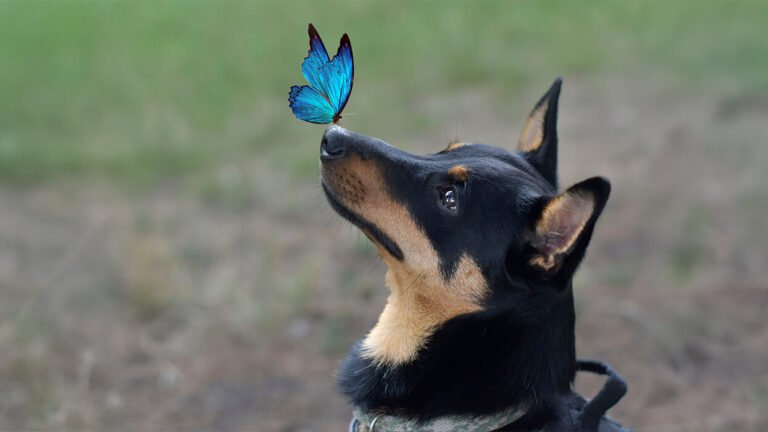
It’s important for you as an adventure dog owner to understand the insights veterinarians have regarding your furry companion’s health and safety. This post outlines key advice that can enhance your adventures together, ensuring both you and your dog enjoy your time outdoors. From preparation tips to potential hazards, these expert recommendations will help you make informed decisions for your active lifestyle. Be sure to pay special attention to point #4; it may just change the way you plan your outings.
Key Takeaways:
- Regular veterinary check-ups are important for ensuring a dog’s health, especially for active breeds.
- Proper training and socialization can prevent behavioral issues during adventurous outings.
- Always prepare for emergencies by carrying a first aid kit and knowing basic dog first aid techniques.
Understanding Your Dog’s Needs
Your adventure dog thrives on a balance of physical activities and mental challenges. Each breed has distinct needs, so it’s vital to tailor their routine to help them flourish. Seeking the right combination will not only enhance their physical health but also strengthen your bond with your furry companion.
Physical Exercise Requirements
Active dogs typically require at least 30 to 60 minutes of vigorous exercise daily, depending on their age and breed. Activities such as hiking, running, and playing fetch can significantly boost their overall fitness and well-being. Be mindful that some breeds may need more than just walks; aim for varied activities to keep them engaged.
Mental Stimulation Importance
Engaging your dog’s mind is just as vital as physical exercise. Activities like puzzle toys, obedience training, or scent games provide mental challenges that prevent boredom and promote behavioral balance. A well-mentally stimulated dog is less likely to indulge in destructive behaviors.
Mental stimulation can help your dog develop problem-solving skills, leading to improved behavior and discipline. For instance, teaching commands or tricks strengthens your dog’s cognitive abilities while fostering a deeper connection between you. Additionally, incorporating interactive games, such as hide-and-seek with treats, not only provides entertainment but also exhausts excess energy, ensuring a happier, more balanced adventure buddy.
Choosing the Right Adventure Activities
Selecting the right activities for your adventure dog hinges on understanding their abilities and preferences. Activities should promote engagement while matching your dog’s energy levels and physical capabilities. From hiking and kayaking to agility training and beach outings, the choices are abundant. Assess your dog’s breed, age, and temperament to find adventures that not only challenge them but also foster a strong bond between you and your canine companion.
Terrain Considerations
Selecting the proper terrain is necessary to keep your dog safe and engaged. Different terrains, such as rocky trails, sandy beaches, or forest paths, can affect your dog’s comfort and performance. For instance, breeds with flat feet might struggle on uneven surfaces, while high-energy dogs may excel. Always evaluate the terrain’s difficulty level and adjust your plans based on your dog’s abilities and fitness level.
Weather and Safety Factors
Planning outdoor adventures requires a keen awareness of weather conditions and safety protocols. Extreme temperatures, whether hot or cold, can pose risks for your dog. Hydration is critical during hot outings, while protective gear may be necessary during colder excursions. Additionally, check for local alerts regarding hazardous conditions like high winds or storms. Having an action plan can make the difference between a fun outing and a dangerous situation.
- Always monitor the temperature, ensuring it’s suitable for your dog’s comfort and health.
- Keep adequate water on hand to prevent dehydration.
- Be cautious of potential hazards like ticks or snakes in certain areas.
- Assume that your dog’s safety is your priority; always be prepared for sudden changes.
Weather can change rapidly, which is why preparation is key. Bring gear like dog booties for rocky terrain or cooling vests for summer hikes. Understanding your dog’s cues during extreme conditions is vital, as they may signal discomfort before you notice. Getting familiar with your dog’s limits during various weather scenarios will ensure enjoyable and safe adventures together.
- Plan your outings during safe periods and avoid peak heat times.
- Invest in a reliable weather app for real-time updates.
- Bring a first-aid kit tailored for both dogs and humans.
- Assume that conditions can change unexpectedly; always have an exit strategy in place.
Essential Gear for Adventure Dog Owners
Equipping yourself with the right gear ensures every adventure is safe and enjoyable for both you and your dog. From comfort-enhancing accessories to safety equipment, having the proper supplies can make a significant difference. Begin by assessing your dog’s specific needs, then invest in products that suit both your lifestyle and your furry companion’s capabilities.
Leashes and Harnesses
Choosing the right leash and harness is vital for your dog’s comfort and control during outdoor activities. Opt for a sturdy, adjustable harness that distributes pressure evenly, reducing strain on their neck. Consider a leash with a padded handle and reflective elements for added safety in low-light conditions. No-slip features can help when navigating tricky terrains like rocky paths or steep inclines.
First Aid Kits and Supplies
Having a first aid kit tailored for your dog is necessary when venturing into the great outdoors. Equip your kit with items specifically designed for canines, including antiseptic wipes, adhesive bandages, gauze, and a digital thermometer for quick health checks. Be sure to include any medications your dog may need, as well as a list of emergency contacts and a detailed canine first aid guide.
Your dog’s first aid kit should also contain a muzzle for emergencies, even if your dog is friendly, as pain can lead to unexpected behavior. Include tweezers for splinter removal, a leash to secure your dog in case of injury, and a cold pack for reducing swelling. Regularly check expiration dates on supplies and replenish as necessary, ensuring you’re always prepared for the unexpected while exploring together.
Health and Wellness Checks Before Adventures
Prior to initiateing on any adventure, ensure your dog undergoes health and wellness checks. A pre-adventure evaluation by your vet can identify potential health issues, allowing you to address them before your trip. This proactive approach not only keeps your furry companion safe but can also prevent costly vet visits during your travels. For instance, discrepancies in your dog’s health may surface, much like cases discussed in this Vet office lied for years about my dog, should I keep going … forum thread.
Pre-Adventure Vet Visits
Schedule a vet visit to assess your dog’s overall health. The vet will conduct a thorough examination, check for signs of illness, and review your dog’s medical history to ensure they’re fit for adventure. This visit is an opportunity to discuss any specific concerns and get tailored advice for your planned activities.
Vaccinations and Preventative Care
Ensure your dog is up to date with vaccinations and preventative care before heading out. Common vaccinations protect against diseases that could be life-threatening in different environments. Discuss with your vet about any additional vaccines that may be recommended based on the locations you plan to visit.
Preventative care includes not just vaccinations but also flea and tick treatments, as these pests can pose risks during outdoor activities. Heartworm preventatives are imperative in areas where the disease is prevalent. Your vet can suggest the best options tailored to your dog’s lifestyle and the specific challenges of the outdoor environments you’ll explore together. A valid vaccination status also benefits your travel plans, providing peace of mind in new locales with other dogs.
Training Your Dog for Adventure
Effective training transforms your dog into the perfect adventure companion, ensuring safety and enjoyment during your escapades. Start with a structured approach that includes obedience training, socialization, and exposure to diverse environments. This prepares your dog for unexpected situations and helps build a strong bond, crucial for adventures.
Basic Command Training
Your adventure pup should master key commands such as sit, stay, come, and leave it. These commands foster safety in various scenarios, from busy trails to crowded parks. Consistent practice during everyday activities reinforces these commands, enhancing your dog’s responsiveness and reinforcing a solid foundation for more complex training.
Socialization with Other Dogs and People
Socialization exposes your dog to various environments, helping them become comfortable around other dogs and people. Take your pup to dog parks, organized playgroups, or pet-friendly events to enrich their social experiences. This practice not only reduces anxiety but also improves their interactions during your outdoor adventures.
Engaging your dog in diverse social situations is beneficial for building confidence and reducing reactivity. Aim for at least three social outings per week, gradually introducing new scenarios like busy trails or crowded festivals. This ongoing exposure helps your dog learn proper behaviors and responses, ensuring they remain calm and well-adjusted in the face of varied distractions during your adventures.
Responsible Adventure Practices
When exploring the great outdoors with your dog, practicing responsibility ensures safety and conservation. Always adhere to leash laws, avoid overcrowded trails during peak times, and maintain your pup’s training throughout your adventures. Additionally, consider your dog’s breed and health, as not all canines are suited for extreme conditions or challenging terrains. Prioritize their well-being just as you would your own.
Leave No Trace Principles
By following Leave No Trace principles, you contribute to the preservation of natural environments. This includes cleaning up after your dog, staying on designated trails, and minimizing your impact on wildlife and vegetation. Respect the areas you visit and teach your dog to follow suit, ensuring that future generations can enjoy these beautiful spaces.
Recognizing Your Dog’s Limits
Understanding your dog’s physical and mental boundaries is vital for safe adventures. Factors such as age, breed, and fitness level contribute to their stamina and adaptability. Watch for signs of fatigue, such as excessive panting or reluctance to continue, and take breaks as needed. If your dog starts lagging behind or refusing to move, it’s time to reassess your trail choice and adjust your plans for their comfort and safety.
For every adventure, assess your dog’s specific needs based on the terrain and activity type. Older dogs may struggle with steep climbs or long distances but excel in gentler walks. Breeds designed for endurance, like Border Collies, can manage more challenging hikes, while smaller or brachycephalic breeds may require shorter, low-impact excursions. Always pack water and snacks to prevent dehydration and fatigue, and keep an emergency kit handy. Recognizing when your dog needs a break or extra care can make a world of difference in your shared outdoor experiences.
To wrap up
On the whole, it’s necessary for you as an adventure dog owner to be aware of your pet’s health needs and potential risks in outdoor activities. Regular veterinary check-ups can help you prevent serious issues, ensuring your furry companion enjoys their adventures safely. Be mindful of your dog’s limits, hydration, and nutrition while exploring. Moreover, don’t hesitate to revisit tips that resonate strongly with you, as they can significantly enhance your dog’s outdoor experiences. By prioritizing these aspects, you will create a fulfilling and safe environment for both you and your adventurous canine friend.
FAQ
Q: What are the top considerations for adventure dog owners when planning outdoor activities?
A: Adventure dog owners should ensure their pets are in good health before launching on trips. They should also consider the dog’s breed, age, and fitness level. It’s important to choose trails that match the dog’s capabilities and provide adequate hydration and rest breaks during activities.
Q: How can adventure dog owners prevent injuries during outdoor excursions?
A: To prevent injuries, owners should gradually condition their dogs to different terrains and lengths of hikes. Proper gear, like padded harnesses and booties, can protect against rough surfaces. Always keep an eye on your dog’s behavior for signs of fatigue or discomfort.
Q: What should adventure dog owners pack for their outings?
A: Essential items include a first aid kit for pets, sufficient food and water, a collapsible bowl, waste bags, a leash, and any necessary medications. A comfortable bed or blanket can help the dog rest properly after outdoor activities.