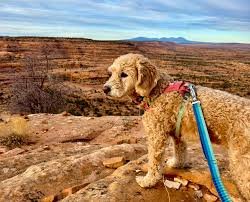
There’s a lot more to keeping your dog happy and healthy than simply using a leash. As your furry friend becomes more active, you’ll discover that their needs extend beyond basic control during walks. Knowing what equipment and strategies truly support your dog’s lifestyle can enhance not just their well-being but also your relationship. Let’s explore why a leash alone won’t suffice and how you can provide your active dog with the care and stimulation they crave.
Key Takeaways:
- Active dogs require more than basic control; they thrive with tools that offer freedom and assistance in engaging activities.
- Using supplemental gear, like harnesses and interactive toys, enhances safety and can improve the dog-owner experience during outdoor activities.
- Training techniques paired with appropriate equipment ensure that both dogs and their owners can enjoy their time together while reducing stress and potential hazards.
Types of Leashes
Choosing the right leash is necessary for your dog’s safety and comfort, as various styles cater to different activities and behaviors. Here are a few types to consider:
| Standard Leashes | Traditional leashes for everyday use. |
| Retractable Leashes | Allows freedom of movement with a locking mechanism. |
| Hands-Free Leashes | Offers convenience for active lifestyles. |
| Traffic Leashes | Shorter leashes designed for crowded areas. |
| Padded Leashes | Enhanced comfort for long walks. |
Standard Leashes
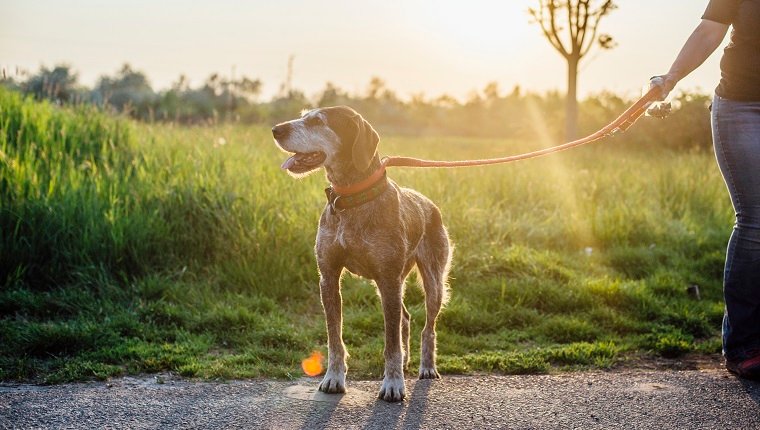
Standard leashes are typically 4 to 6 feet long and made from durable materials like nylon or leather. They provide reliable control and are ideal for daily walks and basic obedience training. Their straightforward design ensures you maintain a firm grip while keeping your dog close by.
Retractable Leashes
Retractable leashes offer flexibility, allowing your dog to roam more freely while still under your control. With a built-in brake system, you can easily adjust the length according to the environment or your dog’s behavior. They are popular for giving your dog the freedom to explore during walks.
These leashes can extend up to 30 feet, giving your dog ample space to investigate their surroundings. However, be cautious of environments with distractions or potential dangers, as the greater distance can compromise safety. Using retractable leashes in open areas is ideal, but keep them retracted in crowded spaces to maintain control.
Hands-Free Leashes
Hands-free leashes are perfect for active dog owners who want to jog, hike, or cycle with their pets. These leashes attach around your waist or across your body, providing increased freedom of movement. They often come with adjustable lengths, ensuring comfort for you and your dog.
With a hands-free leash, you can easily manage your dog’s movements while keeping your hands available for other tasks. They can also enhance your bond during physical activities, as your dog can remain close while you engage in your workout. Any active lifestyle enthusiast will find this option beneficial for both of you.
Essential Tips for Leash Training
- Choose the right collar or harness for your dog.
- Start training in a quiet environment.
- Gradually introduce distractions.
- Be patient and give your dog time to learn.
- Practice regularly to reinforce skills.
Perceiving leash training as a foundational element for your dog’s behavior can lead to more enjoyable walks.
Start with Basic Commands
Begin your training by teaching fundamental commands such as “sit,” “stay,” and “come.” These commands create a framework for your dog to understand expectations during walks. Start in a distraction-free space to help your dog focus, gradually introducing more challenges as they master each command. Consistency in practice will reinforce their learning.
Use Positive Reinforcement
Incorporating positive reinforcement during leash training boosts your dog’s enthusiasm to learn. Rewarding good behavior with treats, praise, or playtime encourages them to repeat those actions. Make sure to provide immediate rewards when they follow commands or walk nicely beside you, strengthening their association between good behavior and positive outcomes.
Positive reinforcement transforms training into a rewarding experience. For example, when your dog walks calmly beside you without pulling, promptly offer a treat or verbal praise. This immediate feedback helps reinforce the desired behavior and builds your dog’s confidence. Over time, your dog begins to associate walking politely on a leash with pleasant surprises, leading to improved leash manners during walks.
Be Consistent in Training
Consistency is key to effective leash training. It’s important to establish and stick to training routines and expectations, so your dog knows what is expected of them. Everyone in your household should use the same commands and reinforcement methods to avoid confusion, which can hinder your dog’s progress.
Being consistent means practicing regularly, which can take the form of short training sessions incorporated into daily walks. Schedule specific times for training sessions to ensure your dog develops a reliable response to commands. Each successful practice reinforces their understanding, making daily walks more enjoyable for both of you. Consistency leads to a well-trained dog, who knows how to behave on a leash regardless of the environment.
Step-by-Step Guide to Choosing the Right Leash
| Step | Description |
|---|---|
| Assess Your Dog’s Size and Breed | Consider your dog’s weight, height, and breed to find a leash that can handle their strength and size. |
| Understand Leash Materials | Different materials offer varying durability and comfort; choose one that suits your dog’s activity level and environment. |
| Test Leash Lengths | Evaluate different leash lengths to determine what works best for your walking style and your dog’s behavior. |
Assessing Your Dog’s Size and Breed
Considering your dog’s size and breed is necessary when selecting a leash. For small dogs, lightweight materials are ideal, while large breeds benefit from heavy-duty options that can withstand their pulling. Each breed has unique strengths, so understanding these factors ensures you have the appropriate leash to manage their energy and activity levels effectively.
Understanding Leash Materials
Leash materials significantly impact durability, comfort, and ease of use. Choices range from nylon and leather to rope and chain. Nylon is lightweight and washable, making it a popular option for everyday use, while leather offers durability and a classic look. Chains are often used for strong pullers, but ensure it’s comfortable for your dog’s mouth and skin.
When exploring leash materials, consider the specific environment in which you’ll be walking. For instance, if your dog frequently plays in water, a quick-drying nylon leash would be advantageous. If they have sensitive skin, padded options or softer fabrics might prevent chafing. Investigating varying materials helps you find the perfect match for your dog’s lifestyle.
Testing Leash Lengths
Testing different leash lengths is vital for an effective walking experience. A standard 6-foot leash is versatile for most situations, allowing ample control while providing freedom to explore. However, shorter leashes can be beneficial in crowded areas for better handling, while longer leashes allow for more roaming space during hikes.
Consider your walking conditions and your dog’s behavior when selecting leash lengths. If your dog tends to wander off, a longer leash may give them some freedom while still keeping you in control. Conversely, if you’re in an urban setting with heavy traffic, opting for a shorter leash can help you maintain closeness for better security. The right length can enhance both your comfort and your dog’s enjoyment during walks.
Factors to Consider When Walking Your Dog
When planning a walk for your dog, several elements can greatly influence the experience for both of you. Consider the following:
- Your dog’s breed and size
- Your dog’s fitness level
- The time of day for optimal conditions
- Neighborhood safety and dog-friendliness
Assume that these factors will help you tailor your walks to meet your dog’s specific needs.
Environment and Terrain
The environment you choose plays a significant role in your dog’s walk. Urban settings may present more distractions, while natural trails offer varied terrain that can engage your dog. Each environment requires different leash control and management techniques, ensuring your adventure suits your dog’s capabilities and comfort level.
Dog Behavior and Energy Levels
Your dog’s energy levels and behavior determine how you should approach a walk. High-energy breeds require more vigorous activity, like running or hiking, while calmer dogs may find satisfaction in short, leisurely strolls. Understanding their individual needs helps you strike the right balance and keeps them engaged.
Paying attention to your dog’s energy levels is critical. A dog that has had little exercise will likely exhibit hyperactive behavior, which can lead to a less enjoyable walk. Conversely, a well-exercised dog tends to be more relaxed and receptive to training. Tailor your walks to ensure your dog gets the appropriate amount of physical and mental stimulation based on their behavior pattern.
Weather Conditions
Weather can greatly affect your dog’s walking experience. Hot, humid days may lead to overheating, while rain or snow can increase the risk of slipping. Prioritize your dog’s comfort and safety by planning walks during optimal conditions, adjusting the duration as needed based on the elements.
Being mindful of weather conditions is necessary for a successful outing. On hot days, consider walking during cooler morning or evening hours and bringing water to keep your dog hydrated. In colder temperatures, ensure your dog has the appropriate gear, like a coat or boots, to protect them from harsh elements. Adjust your walking route based on conditions, opting for shaded areas in heat or avoiding icy paths in winter to keep your dog safe and comfortable.
Pros and Cons of Different Leash Types
| Leash Type | Pros and Cons |
|---|---|
| Standard Leash | Control & stability; limited length helps prevent pulling. |
| Retractable Leash | Allows freedom of movement; easily adjustable length. |
| Training Leash | Great for behavior training; usually thicker for durability. |
| Hands-Free Leash | Convenient for active lifestyles; keeps hands free for multitasking. |
| LED Leash | Improves visibility at night; adds safety during evening walks. |
Benefits of Standard Leashes
Standard leashes are favored for their simplicity and effectiveness. By providing a fixed length, they give you better control over your dog, making it easier to manage unexpected movements or distractions. They’re typically more durable than other types and work well in various environments, ensuring your dog stays close and secure while you both explore the outdoors.
Drawbacks of Retractable Leashes
While retractable leashes offer flexibility, they can lead to issues such as tangling or sudden jerks if your dog darts unexpectedly. The varying lengths can make it difficult to maintain consistent control, especially in crowded areas or near other dogs. This lack of predictability may hinder proper training, as dogs might not learn necessary leash manners.
Retractable leashes often have a locking mechanism that can fail, leading to loss of control. The thin cord can cause injuries to both dogs and people when mishandled or if the dog pulls hard. Additionally, the lack of consistent tension can confuse your dog, preventing them from understanding commands related to walking on a leash. Always consider these factors against the benefits of freedom they bring when deciding which leash to use.
Safety Tips for Active Dogs
- Always supervise your dog during playtime.
- Invest in a well-fitting harness for added security.
- Choose safe, enclosed areas for off-leash activities.
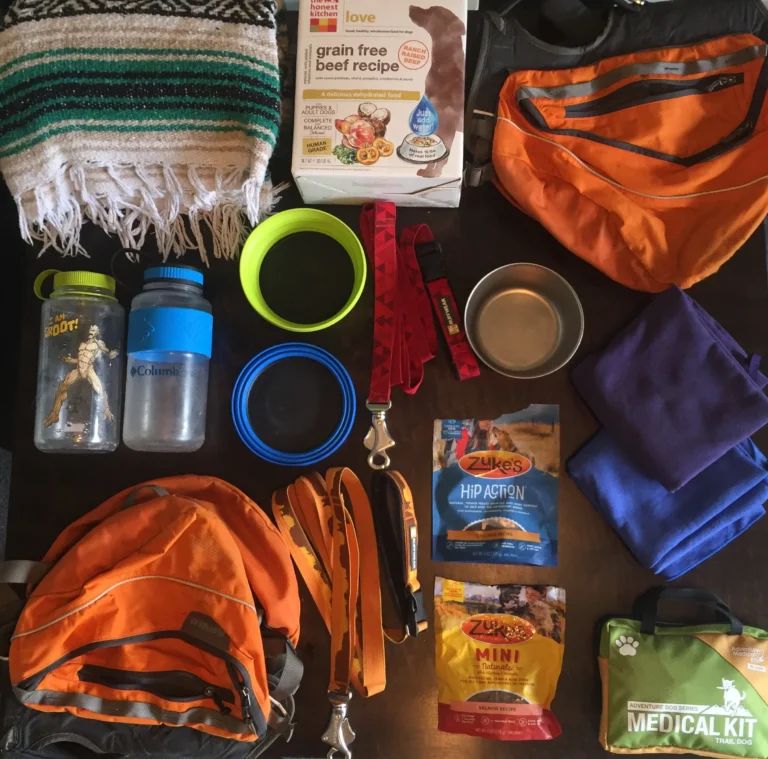
- Keep a first-aid kit handy during outdoor adventures.
- Ensure your dog is up to date on vaccinations.
The safety of your active dog extends beyond just the leash.
Ensuring Identification Tags are Attached
Always ensure your dog has identification tags securely attached to their collar. Tags should include your contact information, as well as any crucial health details, such as allergies or medical conditions. This small step can be vital in quickly reuniting you with your pet should they get lost during an adventure. Frequent outings mean greater chances of accidents happening, so be proactive about your dog’s identification.
Understanding Leash Laws and Regulations
Familiarizing yourself with local leash laws can prevent costly fines and unsafe situations for your dog. Many areas have designated off-leash parks, allowing dogs to roam freely, but outside these zones, leashes are crucial. Compliance with these regulations not only protects your dog but also helps maintain a harmonious environment for all pet owners in your community.
Understanding the leash laws in your area is imperative for responsible dog ownership. Different regions may have various requirements, such as specific leash lengths, the use of muzzles for certain breeds, or designated off-leash hours. Always check for posted signs in parks or public spaces, as rules can change, and local regulations will vary from city to city. These laws are put in place not only for the safety of your dog but also for other pets and people you may encounter.
Summing up
Summing up, relying on “just a leash” is no longer sufficient for your active dogs. They thrive on stimulation, exercise, and the freedom to explore safely. By investing in proper harnesses, training, and enrichment activities, you create a more fulfilling experience for both you and your furry friend. Enhancing your dog’s adventures not only strengthens your bond but also promotes their well-being. Embrace the journey together, and watch your dog flourish in a world that’s designed just for them.
Q: Why isn’t a leash alone sufficient for active dogs?
A: A leash provides control, but it does not offer the freedom of movement and exercise that active dogs require. Dogs thrive on physical activity and mental stimulation, which can only be achieved through off-leash time and engaging play. Simply relying on a leash can lead to pent-up energy and behavioral issues.
Q: What alternatives exist to using just a leash for walking my dog?
A: Alternatives include harnesses designed for comfort and safety during walks, as well as training tools like long lines that allow for controlled freedom. Incorporating interactive play sessions, agility training, or dog parks into your routine can complement leash walks, providing much-needed exercise and socialization for your dog.
Q: How can I ensure my dog stays safe while exploring off-leash?
A: Safety can be maintained by choosing enclosed areas like dog parks, ensuring your dog has a solid recall command, and using tracking devices. It’s also recommended to engage in regular training and supervision, allowing your dog to explore their environment in a controlled manner without risking their safety.