Dogs have an instinctual drive that can sometimes lead them to bolt toward the road, putting them at risk. Understanding why your furry friend acts this way is key to keeping them safe and ensuring peace of mind for you. In this guide, you’ll discover the underlying reasons behind this behavior and effective strategies to prevent it while fostering a safe environment for your pup. Equip yourself with the knowledge you need to protect your dog as they explore the world around them.
Key Takeaways:
- Dogs often bolt toward roads due to instincts, excitement, or lack of training.
- Implementing consistent training methods, such as recall exercises, can help manage and reduce this behavior.
- Using a leash or harness during walks provides extra control and safety while teaching boundaries.
Types of Reasons Dogs Bolt Toward the Road
Your dog’s tendency to bolt can stem from various reasons, each requiring tailored approaches for management. Understanding these motivations helps you address the behavior effectively.
- Instinctual behaviors drive them to chase moving objects.
- Excitement from stimuli like other animals or people heightens their urge to run.
- Environmental changes, such as new construction or unfamiliar sounds, can trigger reactions.
- Lack of training or inconsistent commands can leave your dog confused about boundaries.
- Genetic predispositions may contribute to certain breeds being more prone to bolting.
Assume that recognizing your dog’s unique triggers is the first step toward effective management.
| Instinctual Behaviors | Chasing instincts drive many dogs, especially hunting breeds, to bolt when they see fast-moving objects like cars or animals. |
| Environmental Triggers | Changes in surroundings can provoke reactions; loud noises or the presence of other animals might cause your dog to run impulsively. |
| Excitement | Excitement can override command training; if your dog is overly stimulated, it may dash toward the road without thinking. |
| Lack of Training | Inconsistent training can confuse your dog, leading to behaviors like bolting when boundaries are not clearly established. |
| Genetic Predisposition | Certain breeds are naturally more prone to high energy and a flaring instinct to chase, increasing their likelihood of bolting. |
Instinctual Behaviors
Many dogs are driven by innate instincts, especially those bred for hunting or herding. This instinct to pursue anything moving, whether it’s a squirrel or a passing car, can lead to dangerous situations. Understanding your dog’s breed-specific tendencies can help you anticipate and manage their behaviors more effectively.
Environmental Triggers
Environmental factors play a significant role in prompting your dog to bolt. Loud noises, other animals, or even new scents can ignite excitement. Your dog has keen senses that allow them to notice nuances in their surroundings, which can lead to unexpected reactions. For instance, a nearby construction site or a barking dog may trigger their running instinct.
The surrounding environment significantly influences your dog’s behavior. Many dogs become overly stimulated by chaotic scenes, unfamiliar settings, or sudden disturbances. If you frequently walk your dog in busy areas, consider gradually introducing them to these stimuli in controlled situations. This approach may involve practicing commands in high-distraction environments, allowing your dog to build confidence and learn reliable responses even when excitement levels rise. Over time, familiarization can help reduce impulsive reactions toward the road.
Factors Influencing Road-Bolting Behavior
Several factors can contribute to a dog’s tendency to bolt towards the road. Understanding these elements can help you better address and mitigate the behavior. Key influences include:
- Instinctual drives, such as prey drive
- Environment and distractions
- Training history and socialization
- Owner behavior and reactions
- Health issues or sensory deficits
This insight will empower you to create a safer and more controlled walking experience.
Breed-Specific Traits
Some breeds possess innate characteristics that predispose them to chasing movements or escaping environments. For example, herding dogs like Border Collies may be driven to chase after cars or pedestrians, while hounds might get distracted by scents, leading them to bolt unexpectedly. Identifying your dog’s breed tendencies can inform your training approach.
Age and Energy Level
Your dog’s age and energy level play pivotal roles in their road-bolting behavior. Younger dogs, particularly puppies, generally have higher energy levels and may not yet have learned impulse control. Older dogs might have more experience but can still be curious and adventurous, especially if they’re not receiving adequate exercise.
The energy levels of dogs can vary significantly across different age groups. Puppies and young adult dogs often have boundless enthusiasm, which may lead to impulsive behavior, including road bolting. In contrast, senior dogs typically have reduced energy, yet they may still engage in erratic behavior if they’re not mentally and physically stimulated. Tailoring your exercise routine to match your dog’s age will help maintain their focus and reduce the likelihood of them bolting toward roads.
Pros and Cons of Allowing Off-Leash Time
| Pros | Cons |
|---|---|
| Enhances physical exercise | Risk of accidents with vehicles |
| Improves socialization with other dogs | Potential for aggressive encounters |
| Allows natural behaviors like running and exploring | Difficulty in controlling behavior |
| Strengthens the bond between you and your dog | Possibility of chasing wildlife or distractions |
| Promotes mental stimulation | Can cause anxiety without proper recall training |
Benefits of Freedom
Allowing your dog off-leash time feeds their natural instincts and curiosity, promoting overall well-being. It gives them the chance to exert energy, socialize with other dogs, and experience the environment in a way that being leashed does not allow. This freedom can lead to a happier and more balanced dog, reducing unwanted behaviors associated with pent-up energy.
Risks of Road Access
While the benefits of off-leash time can be enticing, risks, particularly concerning road access, should not be overlooked. The chance your dog will dart into traffic is a serious concern. Cars pose a significant danger, and even the most well-trained dogs can become distracted or startled, leading to tragic accidents.
Understanding the risks of road access is pivotal for any owner contemplating off-leash time. On average, over 1.2 million dogs are injured in traffic incidents each year. This figure underscores the critical need to assess your dog’s recall ability and surroundings thoroughly. Furthermore, a shocking percentage of dog fatalities can be attributed to road accidents, with many occurring in supposedly safe areas. Investing in solid training practices is crucial to mitigate these risks effectively while allowing your dog to enjoy their freedom.
Tips for Training Your Dog to Stay Safe
To keep your dog safe from the dangers of roads, implementing effective training techniques is vital. Start by establishing a reliable recall command, utilize barriers in outdoor spaces, and ensure safety gear is always used during walks. Consistency in training will help reinforce safe behaviors, while an understanding of your dog’s triggers can inform your approach to distractions. This approach will make walks more enjoyable and secure for both you and your dog.
- Use a long leash for more control.
- Practice recall in safe, enclosed areas.
- Utilize “stay” commands near streets.
- Minimize distractions during training.
- Regularly refresh training sessions.
This series of strategies will build your dog’s confidence and understanding of safe boundaries.
Consistency in Commands
Your dog thrives on consistency, so it’s vital to use the same commands consistently during training sessions. Whether you’re teaching “come,” “stay,” or “leave it,” sticking with the same phrases and accompanying gestures will help your dog grasp what you expect of them. Regular practice bolsters their understanding and reduces confusion, making it easier for them to respond reliably in high-distraction situations.
Positive Reinforcement Techniques
Implementing positive reinforcement is one of the most effective ways to train your dog. Rewarding your pup with treats, praise, or play when they follow commands reinforces good behavior. This not only fosters a stronger bond between the two of you but also motivates your dog to repeat those actions. Gradually phase out treats, replacing them with verbal praise or toys to maintain their enthusiasm while ensuring they understand the commands.
Utilizing positive reinforcement can involve shaping your dog’s behavior incrementally. For instance, if your dog successfully sits at the curb before crossing the street, immediately reward them with a treat and praise. This reinforces that sitting calmly is the desired behavior. Employing rewards gradually shifts your dog’s focus from the distractions around them to you, significantly enhancing their overall training experience.
Step-by-Step Strategies to Prevent Road Bolting
| Strategy | Description |
|---|---|
| Creating a Safe Space | Designate a secure area in your yard where your dog can explore without the risk of darting into the road. |
| Gradual Exposure to Distractions | Introduce your dog to various distractions gradually, so they learn to focus on you rather than the environment. |
Creating a Safe Space
Start by ensuring your yard is fenced securely and free from gaps where your dog could escape. You can add toys and a comfortable spot for them to relax, making it a place they enjoy. This familiarity reduces their anxiety and lowers the chance of bolting when they sense potential excitement outside.
Gradual Exposure to Distractions
Begin by exposing your dog to mild distractions at a distance, gradually increasing as they become more accustomed. This strategy teaches them to focus on you, rather than impulsively chasing after moving objects or sounds. Use high-value rewards like treats to reinforce calm behavior during these sessions.
For example, if you live near a busy street, start with simply walking your dog a few steps away from the road where they can see and hear traffic but remain safe. As they become comfortable, bring them closer while practicing commands like “stay” or “leave it.” Over time, they’ll develop self-control in the face of distractions, significantly lowering the risk of them bolting toward the road.
How to React If Your Dog Bolts
Stay Calm and Assess the Situation
When your dog bolts, maintain your composure to effectively gauge the environment. Scan for potential dangers, such as traffic, and note where your dog has gone. By staying calm, you’ll be able to think more clearly and react appropriately. Panic can lead to hasty decisions that may endanger both you and your dog.
Use Safety Tools Like Leashes and Harnesses
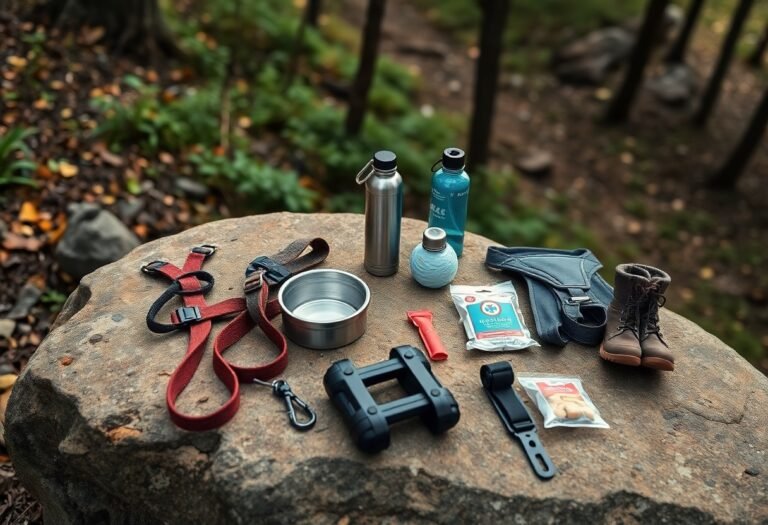
Safety tools such as leashes and harnesses play a significant role in preventing your dog from bolting. A sturdy leash ensures you have control, while a well-fitted harness can prevent escape, giving you peace of mind. Investing in reflective gear also increases visibility during walks, particularly at dusk or dawn.
The right safety tools make a substantial difference in keeping your dog secure. For example, a no-pull harness can help manage enthusiastic dogs that may be prone to darting away, while a retractable leash offers freedom within safe limits. Also, consider using a shock-absorbing leash to reduce strain during unexpected pulls. By utilizing these tools effectively, you can minimize the risk of your dog bolting, enhancing both your walks and your dog’s safety.
Conclusion
Now that you understand the reasons behind your dog’s tendency to bolt toward the road, you can take proactive steps to keep them safe. By implementing training strategies and using positive reinforcement, you can help your furry friend develop better habits. Creating a secure environment and being aware of potential triggers will not only protect your dog but also give you peace of mind during outings. With patience and consistency, you can enjoy worry-free strolls together.
Q: Why do dogs tend to run towards the road?
A: Dogs may bolt towards the road due to instinctual behaviors such as chasing moving objects, the excitement of exploring new environments, or the search for social interaction. Their strong prey drive or curiosity can make them oblivious to oncoming traffic, leading to dangerous situations.
Q: What are effective ways to prevent my dog from bolting towards the road?
A: To prevent bolting, establish a strong recall command through consistent training and positive reinforcement. Use a leash or harness when outdoors, and create a secure boundary in your yard. Ensure your dog is mentally and physically stimulated, reducing the urge to dash towards distractions.
Q: How can I safely manage my dog’s behavior when they encounter distractions near roads?
A: When approaching roads or other potential distractions, maintain a short leash to keep your dog close. Use calming commands or treats to redirect their focus. Practice controlled exposure to busy environments, gradually increasing their comfort level while ensuring their safety at all times.