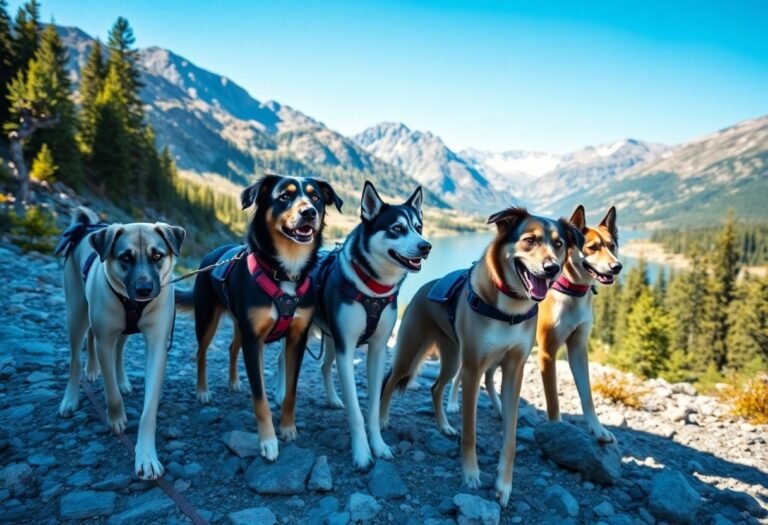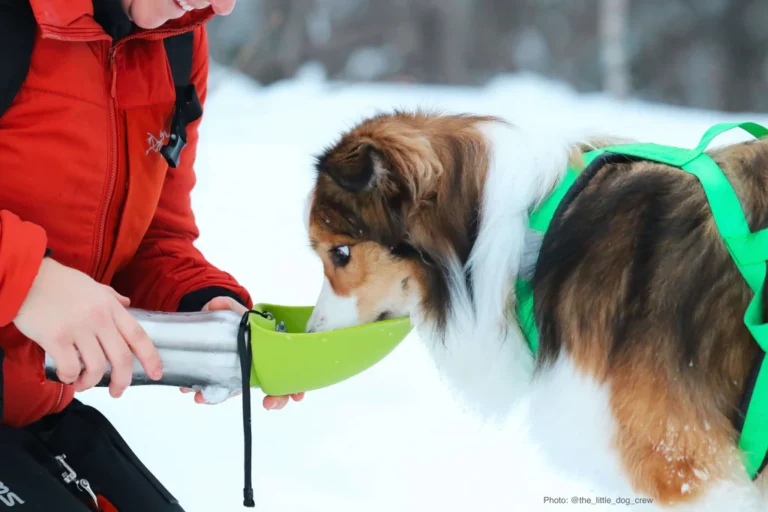
Essentials for winter walks with your dog go beyond just a leash and collar. As the temperatures drop, you need to ensure both you and your furry friend are prepared for the chilly conditions. Packing the right items can make your outings enjoyable and safe, making it easier to embrace the winter season. From keeping your pup warm to ensuring their paws are protected, these seven must-have items will transform your winter walks. You might be surprised by what most people often overlook!
Key Takeaways:
- Reflect on layering your dog’s clothing to ensure comfort and protection from cold temperatures.
- Pack dog-safe booties to prevent ice and salt damage to paw pads during winter walks.
- Always have fresh water available, as pets can become dehydrated in cold weather despite the lack of heat.
Essential Items for Winter Walks
Packing the right gear for winter walks ensures both you and your dog stay warm and safe. Essential items include insulated jackets, waterproof boots, and reflective accessories, which help in low visibility conditions. A cozy blanket for the car is especially useful for post-walk warmth. Every item contributes to a more enjoyable experience during the colder months.
Types of Winter Gear
Winter gear varies based on conditions you may encounter. Selecting appropriate pieces can greatly enhance your outings. Gear types include:
- Insulated jackets
- Waterproof boots
- Wool socks
- Warm hats
- Reflective leashes
Recognizing the need for each category is imperative for your comfort and safety.
| Insulated Jackets | Offers warmth and flexibility. |
| Waterproof Boots | Protects against snow and ice. |
| Wool Socks | Keeps feet warm even when wet. |
| Warm Hats | Prevents heat loss from your head. |
| Reflective Leashes | Enhances visibility in low light. |
Tips for Choosing the Right Gear
Selecting the right gear involves assessing quality and fit. Look for materials that offer insulation, breathability, and waterproof characteristics. Prioritize visibility with reflective elements and ensure your boots have good traction. Choosing dog gear that’s both functional and comfortable is equally important.
- Opt for breathable materials
- Check for a good fit
- Look for waterproof options
- Consider the climate
- Choose items that are easy to clean
Knowing what features matter can significantly impact your winter adventures. Research different brands and read reviews to find the right fit for you and your dog’s needs. Additionally, consider ease of putting on and taking off gear, especially in brisk conditions.
- Research multiple brands
- Consider versatility of items
- Check for adjustable features
- Look for recommendations
- Assess potential for long-term use
Knowing how to evaluate gear effectively will lead you to choices that enhance your outdoor experiences, keeping both you and your dog ready for winter adventures.
Dog Safety During Winter Walks
Keeping your dog safe during winter walks is paramount as conditions can be harsh and unpredictable. Your furry friend may face challenges like icy pavements, freezing temperatures, and reduced visibility. Always pay close attention to your dog’s behavior; hesitation or shivering can indicate discomfort or distress. Ensuring proper identification and a reflective collar can significantly increase safety during darker months.
Factors to Consider
When venturing out, several factors influence your dog’s safety in winter. Weather conditions, terrain, and your dog’s breed and size are critical elements to assess. Additionally, consider the length of your walk and any potential hazards you may encounter.
- Weather: Avoid extreme cold or heavy snowfall.
- Terrain: Watch out for icy patches and snow drifts.
- Breed: Some dogs handle cold better than others.
- Gear: Ensure your dog is equipped with the right winter attire.
- Duration: Keep walks shorter in severe conditions.
Assume that even a short walk can risk your dog’s safety if conditions are not optimal.
Pros and Cons of Different Gear
Choosing the right gear can make all the difference in your dog’s comfort and safety. Various types of protective clothing and accessories offer different benefits and drawbacks, impacting your winter outing experience.
Pros and Cons of Different Gear
| Pros | Cons |
|---|---|
| Boots provide traction on ice. | Some dogs may refuse to wear them. |
| Coats keep your dog warm. | They can be bulky and uncomfortable for some. |
| Reflective gear increases visibility. | Can be costly depending on brand. |
| Ear muffs protect against cold winds. | Limited styles available for larger breeds. |
| Dog-safe balms prevent paw injury. | Requires regular application. |
| Harnesses promote better control. | Some dogs may escape poorly fitted ones. |
| Thermal jackets help maintain body heat. | May not be waterproof. |
| Lighted collars enhance safety in low visibility. | Battery life needs monitoring. |
| Portable water bottles keep your dog hydrated. | Can be heavy to carry. |
| Weight pouches for extra gear. | May tire out your dog quickly. |
Assessing pros and cons helps you select gear that best matches your dog’s needs and winter conditions. For instance, while boots protect from cold and injury, not every dog will accept them. Similarly, jackets can keep your dog cozy, but they might limit movement for high-energy breeds. Tailoring your choices ensures enjoyable and safe winter outings.
Step-by-Step Packing Guide
| Item | Details |
|---|---|
| Dog Coat | Choose a waterproof and insulated coat suitable for your dog’s breed. |
| Paw Protection | Pack booties or paw wax to protect against ice and salt. |
| Leash | Opt for a sturdy, reflective leash for visibility and control. |
| Water | Include a collapsible bowl and fresh water to keep your dog hydrated. |
| Treats | Bring high-value treats to reward and motivate your dog. |
| First Aid Kit | Have a small kit ready for any bumps, scrapes, or emergencies. |
| Portable Blanket | Pack a lightweight blanket for comfort during breaks. |
What to Include in Your Pack
Gather items that enhance your winter walk experience, ensuring everything fits easily into your pack. Essential gear includes a fitted dog coat, protective paw wear, a well-made leash, hydration supplies in the form of a collapsible bowl, high-value treats for rewards, a compact first aid kit for any minor issues, and a portable blanket to provide comfort. This combination guarantees a safe and enjoyable outing for both you and your furry companion.
Organizing Your Gear for Easy Access
Effective organization is key for hassle-free winter walks. Use packing cubes or small pouches within your backpack to separate items based on function or use. For instance, keep all dog crucials in one pouch, while personal items can go in another. Place frequently used items, like treats and the leash, at the top of your pack for quick access. Designating specific spaces for each component minimizes the time spent rummaging and maximizes your outdoor enjoyment.
By segmenting your gear effectively, you’ll streamline your prep time. This approach not only makes it simpler to grab what you need on-the-go, but it also helps ensure nothing important gets left behind. Think about how you use your equipment: keeping treats within arm’s reach means instantly rewarding good behavior, while having easy access to hydration allows you to keep your dog comfortable during longer walks. Prioritize convenience to turn winter outings into enjoyable adventures.
Common Mistakes Dog Owners Make
Many dog owners fall into the trap of either overpacking or underpacking when gearing up for winter walks, leading to unnecessary stress and discomfort. It’s imperative to strike a balance to ensure you have what you need without being burdened by an overloaded bag or forgetting key items that can enhance your experience.
Overpacking vs. Underpacking
Finding the right balance between overpacking and underpacking can be challenging. Overpacking can make your walk cumbersome, while underpacking can leave you unprepared for sudden weather changes or your dog’s needs. Aim for a practical checklist to avoid both extremes.
Forgotten Essentials
Many dog owners frequently overlook imperatives, impacting the quality of their winter outings. Items like extra dog food, hydration supplies, or first aid kits often slip through the cracks while packing. Having these basics on hand ensures both you and your dog are well-prepared for any situation.
As far as forgotten imperatives, consider keeping a detailed checklist handy. For instance, a collapsible water bowl can be a game-changer during long walks, as hydration is vital even in cold weather. Additionally, a small first aid kit tailored for your dog’s needs can be lifesaving in emergencies. Without these staples, a simple outing can turn into a regret-filled endeavor. Always pack smart to guarantee a successful and enjoyable winter adventure with your dog.
Keeping Your Dog Warm and Happy
Ensuring your dog stays warm and content during winter walks is vital for their overall well-being. A well-fitted coat designed for the cold, along with protective gear like booties, can significantly enhance their comfort. You’ll find that many dogs thrive with a little extra preparation, which not only keeps them warm but also boosts their happiness on outings in chilly weather.
Signs Your Dog is Cold
Being attentive to your dog’s behavior can help you recognize when they are feeling cold. Look for signs such as shivering, lifting their paws off the ground, whining, or seeking warmth by huddling close to you or other objects. If your dog seems unusually lethargic or starts to engage in frequent paw-licking, they may be experiencing discomfort from the temperature.
Tips for Keeping Dogs Comfortable
To keep your dog comfortable on winter walks, dressing them appropriately is key. Invest in a high-quality, insulated dog jacket that fits properly and consider using dog booties to protect their paws from cold surfaces and ice. During longer outings, take breaks to allow them to warm up and check for any signs of cold discomfort. Keeping your walks shorter in extreme cold can also help ensure their safety and comfort.
- Dress your dog in layers for varying temperatures.
- Provide frequent breaks for hydration and warmth.
- Monitor their behavior for signs of discomfort.
- Keep them away from icy water bodies and frostbite-prone areas.
- Recognizing the signs of cold can help increase the enjoyment of your winter adventures together.
Additionally, regular grooming in winter can prevent matting and help maintain your dog’s body heat. A well-groomed coat traps air close to their body, enhancing insulation. You might also consider paw protection products that can shield from icy terrain, which can be a game-changer for their comfort. Recognizing your dog’s needs during winter outings will lead to more pleasurable and safe adventures in the cold.
- Implement short and frequent winter walks for better comfort.
- Invest in moisture-wicking underwear if your dog has thick undercoats.
- Be mindful of the salt and chemicals on the ground that can irritate their paws.
- Consider heated dog mats for post-walk warmth at home.
- Recognizing these measures can enhance the joy of winter exploration.
Conclusion
On the whole, being prepared for winter walks with your dog can make a significant difference in your experience. By packing the imperatives like a warm coat, booties, and hydration, you ensure both you and your furry friend stay comfortable. Don’t overlook items like a flashlight or paws wipes, as these can enhance safety and cleanliness. With the right gear, you can enjoy those chilly strolls, create lasting memories, and keep your pup happy and healthy during the winter season.
FAQ
Q: What should I pack to ensure my dog stays warm during winter walks?
A: To keep your dog warm, include a insulated dog jacket or sweater, booties to protect their paws from ice and salt, and a blanket for extra warmth during breaks. These items help maintain your dog’s body heat and comfort in cold conditions.
Q: Are there any specific items to care for my dog’s paws in winter?
A: Yes, paw balms are imperative to protect against salt and ice, preventing cracking and soreness. Additionally, dog booties can provide a barrier against harsh weather and make walks more comfortable. After walks, wipe your dog’s paws to remove any debris and harmful substances.
Q: What supplies should I bring for dog safety on winter outings?
A: Pack a reflective leash, light-up collar, or flashlight to increase visibility during shorter daylight hours. It’s also wise to carry a first aid kit in case of minor injuries, as well as water and portable bowls to keep your dog hydrated during long walks.