You can safely enjoy summer hikes with your dog by planning ahead and recognizing key risks. Heat exhaustion is dangerous and can develop quickly, so always bring water, choose shaded trails, and hike during cooler hours. Protect your dog’s paws from hot surfaces and watch for signs of fatigue. With the right preparation, hiking together strengthens your bond and boosts fitness for both of you.
Key Takeaways:
- Bring plenty of water for your dog and offer it frequently, as dogs can dehydrate quickly in hot weather even on moderate trails.
- Choose early morning or late evening hikes to avoid peak heat, reducing the risk of overheating and paw pad burns from hot surfaces.
- Watch for signs of heat exhaustion like excessive panting, drooling, or stumbling, and know when to stop and seek shade or veterinary help.
Evaluating Critical Factors Before the Hike
Every successful summer hike with your dog begins with thoughtful preparation. You must consider several key factors that directly impact your dog’s safety and enjoyment. Ignoring these elements can lead to heat exhaustion, dehydration, or injury. Assess your dog’s health, the trail conditions, and current weather to make informed decisions. The
- Know your dog’s breed limitations and fitness level
- Check the day’s temperature and humidity forecast
- Ensure access to shade and water sources along the trail
- Carry portable water and a collapsible bowl
- Avoid hiking during peak sun hours (10 a.m. – 4 p.m.)
Assessing Canine Breed Suitability and Physical Conditioning
Different breeds handle heat and exertion in unique ways. Brachycephalic dogs like Bulldogs or Pugs struggle in high temperatures due to compromised airways. You should only attempt hikes if your dog has been gradually conditioned to long walks. The
Understanding Temperature Thresholds and Humidity Levels
Heat danger increases sharply when humidity traps body heat. Even moderate temperatures can become risky under high moisture levels. Your dog can’t sweat like you-cooling happens mainly through panting and paw pads. The
| Temperature (°F) | Risk Level for Dogs |
|---|---|
| Below 75°F | Low risk; safe for most dogs |
| 75-85°F | Moderate risk; monitor closely |
| Above 85°F | High risk; avoid strenuous activity |
| Humidity above 60% | Reduced cooling efficiency; limit exposure |
When humidity exceeds 60%, your dog’s ability to cool itself drops dramatically. A temperature of 80°F with high moisture can feel like over 90°F to them. Always err on the side of caution-heat stroke can develop in minutes. The
Identifying Optimal Trail Types for Summer
Choosing the right trail makes all the difference when hiking with your dog in summer heat. Trails with dense shaded canopy reduce sun exposure and help regulate your dog’s body temperature. Routes near natural water sources offer opportunities for cooling dips and hydration breaks. Elevation matters-lower-altitude paths often stay cooler and avoid afternoon thunderstorms common at higher elevations. Perceiving your dog’s comfort level throughout the hike ensures a safe and enjoyable outing.
- Opt for trails with continuous tree cover to minimize direct sun
- Select routes near streams or lakes for safe water access
- Avoid open, rocky, or desert terrain that radiates heat
- Check trail elevation-stay below 7,000 feet for milder conditions
- Begin hikes early; aim to finish before peak afternoon heat
| Trail Feature | Benefit for Dogs |
| Dense forest canopy | Reduces UV exposure and ground temperature |
| Proximity to water | Allows for cooling and hydration stops |
| Soft, natural terrain | Protects paw pads from overheating and abrasion |
| Low elevation | Minimizes heat stress and altitude risks |
Selecting Shaded Canopy and Water-Adjacent Routes
Trails beneath thick tree cover keep surface temperatures significantly lower than open paths. Your dog benefits from intermittent shade that prevents overheating during movement. Forested routes often maintain higher humidity, which supports better respiratory comfort in summer heat. Water-adjacent trails provide natural relief-dogs can wade or drink safely if the current is calm and the water clean. Always confirm water safety before allowing your dog to enter.
Navigating Different Terrain Surfaces to Protect Sensitive Paws
Hot asphalt and exposed rock can burn your dog’s paw pads within minutes. Stick to trails with packed dirt, grass, or shaded gravel surfaces that stay cooler underfoot. Test the ground with your hand-if it’s too hot for your skin, it’s unsafe for paws. Early morning hikes reduce contact with heat-retaining surfaces. Paw protection starts with smart route choices and timing.
Uneven or sharp terrain increases the risk of cuts and heat absorption in paw pads. Natural surfaces like forest loam or damp earth dissipate heat faster than stone or pavement. Dogs with light-colored or thin fur on their feet are especially vulnerable. Choosing softer, shaded paths minimizes injury and discomfort, letting your dog walk confidently for longer. Perceiving subtle changes in your dog’s gait can signal early paw distress.
Essential Gear for Canine Temperature Regulation
Staying ahead of heat stress means equipping your dog with gear designed to manage body temperature efficiently. Below is a breakdown of key items that support safe summer hikes, especially in hot climates like Florida. For specific tips on timing, trail selection, and real-time feedback from experienced hikers, check out this community discussion on How to hike with dogs in Florida during summer?.
| Cooling Vest | Activates with water to provide evaporative cooling; ideal for sustained activity in heat. |
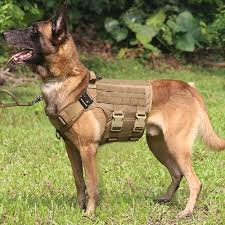
| Reflective Dog Harness | Reduces heat absorption and increases visibility; choose light-colored, breathable materials. |
| Portable Collapsible Bowl | Lightweight and easy to carry; ensures quick access to water during breaks. |
| Hydration Pack for Dogs | Allows your dog to carry their own water; promotes independence and consistent intake. |
Advanced Hydration Systems and Portable Cooling Equipment
Investing in a hydration pack designed for dogs lets them drink on the move, reducing downtime and preventing overheating. Some models include built-in cooling reservoirs that keep water chilled for hours. Portable misting fans or cooling bandanas activated by soaking offer quick relief during rest stops. These tools are especially effective on exposed trails with little shade.
- Choose a hydration pack with an easy-sip nozzle your dog knows how to use.
- Pre-soak cooling bandanas in cold water before departure.
- Carry a small insulated pouch to keep water cool longer.
Utilizing Cooling Vests and Reflective Protective Wear
Cooling vests use evaporation to lower your dog’s body temperature, making them a proven defense against heatstroke during midday hikes. Pair these with a reflective, UV-protective harness to minimize sun exposure and improve visibility on shared trails. These items work best when pre-activated with water and reapplied moisture every 1-2 hours.
Wearing a cooling vest significantly reduces the risk of overheating, especially in brachycephalic breeds or dogs with thick coats. The fabric absorbs water and slowly releases it, creating a sustained cooling effect. Always ensure the vest fits snugly without restricting movement or airflow. Light-colored, reflective materials enhance safety during early morning or late afternoon hikes when sun angles are low.
A Step-by-Step Guide to a Safe Excursion
| Pre-Departure Hydration and Nutrition Planning | Real-Time Monitoring and Rest Interval Management |
| Post-Hike Health Assessment and Recovery Protocols |
Pre-Departure Hydration and Nutrition Planning
Your dog’s energy levels depend heavily on proper fueling before hitting the trail. Offer a light meal 2-3 hours before departure to prevent gastric torsion during activity. Always pack extra water-dogs need more than you think, especially in heat.
Hydration starts before the hike. Let your dog drink freely the night before and again in the morning. Bring a collapsible bowl and aim for at least one ounce of water per pound of body weight throughout the outing.
Real-Time Monitoring and Rest Interval Management
You must watch for early signs of overheating-excessive panting, lagging behind, or glazed eyes mean it’s time to stop. Seek shade immediately and offer sips of water. Never force your dog to continue if they show distress.
Plan rest breaks every 30-45 minutes, especially on steep or exposed trails. Let your dog lie on a cooling mat or damp towel if possible. These pauses prevent heatstroke and maintain stamina.
Monitoring isn’t passive-it’s active stewardship of your dog’s limits. Their instinct to please can override self-preservation, so you’re responsible for pacing. Watch paw placement, breathing rhythm, and willingness to drink. A brief rest now avoids an emergency later.
Post-Hike Health Assessment and Recovery Protocols
Your dog’s recovery begins the moment you return. Check their paws for cuts, blisters, or embedded debris-hot surfaces can cause serious burns. Offer fresh water and let them rest in a cool, quiet space.
Monitor for delayed symptoms like vomiting, lethargy, or unsteadiness, which could signal heat exhaustion. A damp coat or cool floor helps regulate body temperature. Full recovery may take 24 hours, so avoid another outing too soon.
Recovery isn’t just physical-it includes mental decompression. Some dogs become overstimulated or anxious after intense hikes. Observe behavior changes and provide gentle reassurance. Proper post-hike care ensures your dog stays eager and safe for future adventures.
Professional Tips for Heat Management and Safety
Keeping your dog safe in summer heat demands proactive planning and constant awareness. Always carry enough water for both of you and offer sips frequently-dehydration happens faster than you think. Schedule hikes during cooler morning hours and avoid midday sun exposure. Choose shaded trails with access to streams when possible, and never leave your dog unattended. Use a lightweight, breathable harness instead of a collar to reduce overheating risks. Heatstroke can be fatal, so watch for heavy panting, sluggishness, or vomiting. Read a lot against hiking with dogs, have some questions. This ensures you’re prepared with real-world insights from fellow dog owners.
Recognizing Early Warning Signs of Heatstroke and Exhaustion
Heavy panting that doesn’t subside after rest may be your dog’s first cry for help. Look for glazed eyes, wobbling steps, or excessive drooling-these are early signs of heat exhaustion. Your dog might lie down suddenly or resist moving forward. Gums turning pale or sticky signal a dangerous shift in body temperature. Immediate action can prevent collapse or organ failure. This demands your full attention the moment symptoms appear.
Effective Strategies for Instant Cooling on the Trail
Soak a bandana or cooling vest with water and drape it over your dog’s neck or back. Find shade immediately and let your dog rest on a damp towel if available. Offer small amounts of water every few minutes to prevent bloating. Pouring cool (not icy) water over the inner thighs and belly helps lower core temperature fast. This simple intervention can be life-saving during sudden overheating.
Using a portable dog-friendly misting spray adds another layer of relief on long climbs. Some dogs respond well to licking ice chips, but avoid large chunks that could cause choking. Always carry a collapsible bowl to make hydration easy. This ensures you’re ready when heat strikes without warning.
Managing Wildlife Encounters and Seasonal Pest Prevention
Stay alert in areas with known snake or coyote activity, especially at dawn and dusk. Keep your dog on a short leash to prevent surprise chases. Use a tick-repellent spray approved for dogs and check their coat thoroughly after each hike. Fleas and mosquitoes thrive in summer and can carry diseases like Lyme or heartworm. This makes prevention non-negotiable for healthy adventures.
Consider using a tick collar in high-risk zones, but pair it with daily inspections. Avoid letting your dog drink from stagnant puddles where parasites lurk. Carry tweezers or a tick remover in your pack. This small step protects your dog from infections that start silently but escalate quickly.
Pros and Cons of Summer Hiking With Dogs
| Pros | Cons |
| Longer daylight hours allow for extended trail time | High temperatures increase heatstroke risk |
| Dogs build endurance through regular summer exercise | Paw pads can burn on hot surfaces like asphalt |
| Improved socialization with other hikers and dogs | Dehydration happens quickly in extreme heat |
| Lush trails offer stimulating scents and sights | Increased chance of encountering ticks and fleas |
| Opportunities for water-based cooling and play | Some trails restrict dog access during peak season |
| Stronger bonding through shared outdoor experiences | Overexertion can lead to collapsed lungs or organs |
| Dogs release energy, reducing destructive behavior at home | Wildlife is more active, raising encounter risks |
| Improved mental health for both you and your dog | Leash rules are strictly enforced in summer months |
| Many dog-friendly parks host seasonal events | Trail closures due to fire danger are common |
| Early morning hikes align with natural dog rhythms | Hot ground can cause painful paw injuries |
Advantages of Seasonal Socialization and Physical Exercise
You’ll notice your dog becomes more confident when meeting new people and pets on busy summer trails. These interactions build positive associations and reduce anxiety over time. Regular exposure to varied environments strengthens your dog’s temperament, making future hikes easier and more enjoyable.
Physical activity during warm months helps maintain a healthy weight and supports joint function. Your dog gains stamina, and you both benefit from increased energy and better sleep. Consistent movement prevents boredom-related behaviors like chewing or barking at home.
Challenges of Environmental Stress and Dehydration Risks
Heat is the biggest threat your dog faces on summer hikes. Unlike humans, dogs cool themselves mainly through panting, which becomes inefficient in high temperatures. Dehydration can set in within minutes, especially if your dog is active on exposed trails with no shade.
You must carry enough water for both of you and offer it frequently. Watch for signs like excessive drooling, stumbling, or refusal to move-these signal heat exhaustion. A dog’s body temperature above 106°F can lead to organ failure, so immediate cooling and vet care are necessary.
Hot pavement and rocky surfaces retain heat and can burn your dog’s paw pads in seconds. Even if the air feels mild, the ground may be dangerously hot. Test it with your hand-if you can’t hold it for seven seconds, it’s too hot for your dog’s paws. Trails with direct sun exposure increase the risk of thermal stress, especially during midday hikes. Always plan routes with access to shade and water sources.
Impact of Seasonal Trail Regulations and Leash Requirements
Many parks adjust rules in summer to protect wildlife, vegetation, and visitors. You may find stricter leash laws or complete dog bans on certain trails during peak months. These rules exist for safety and conservation, and violating them can result in fines.
Leashes prevent your dog from chasing animals or disturbing nesting birds. They also reduce conflict with other hikers who may be uncomfortable around off-leash dogs. Staying compliant ensures continued access to public lands for all dog owners.
Park authorities often close trails during fire season or drought conditions, and dogs may be restricted even on open paths. These measures protect fragile ecosystems when foot traffic and pet waste can cause lasting damage. Always check official websites or call ahead before heading out. Ignorance of trail rules is not a valid excuse, and responsible pet ownership means staying informed and adapting your plans accordingly.
Final Words
From above, you now have the full picture for safe, enjoyable summer hikes with your dog. You know how to assess heat risks, pack the right gear, and recognize early signs of overheating. Your dog depends on you to make smart choices about trail timing, hydration, and rest. By planning ahead and staying alert, you protect their health while deepening your shared adventures. Summer hiking with your dog is rewarding when done with care and preparation.
FAQ
Q: What should I pack when hiking with my dog in summer?
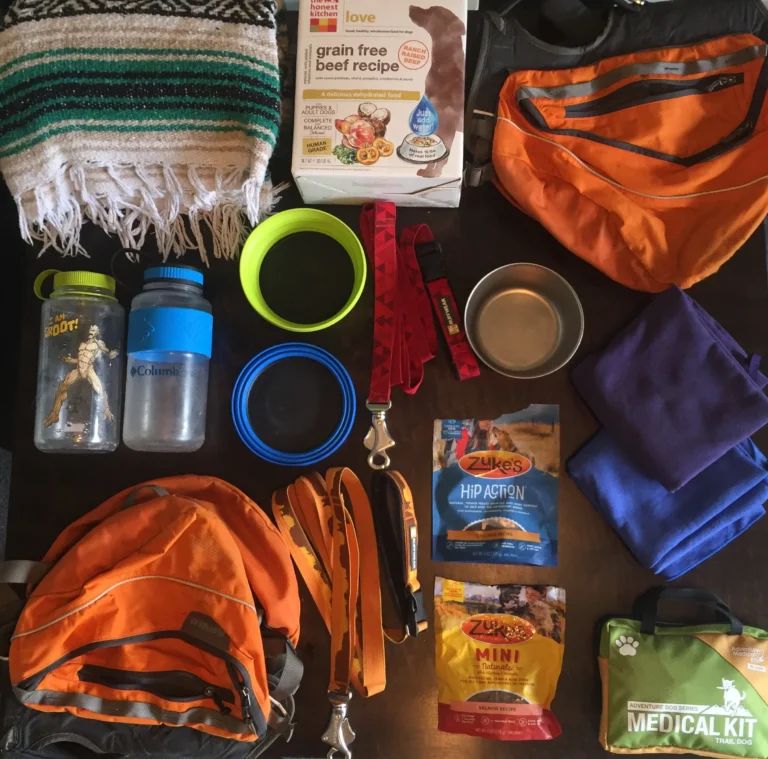
A: Bring plenty of water for both you and your dog-plan for at least one ounce per pound of your dog’s body weight. Pack a lightweight bowl for easy drinking, high-value treats for energy, and a collapsible water container. Include a first-aid kit with dog-safe antiseptic wipes, tweezers for ticks, and a paw balm for trail wear. Sunscreen made for dogs can protect sensitive areas like the nose and ears. A bandana soaked in water helps keep your dog cool, and a small towel is useful for drying or cleaning muddy paws after the hike.
Q: How can I tell if my dog is overheating during a summer hike?
A: Heavy panting, drooling, and a bright red tongue are early signs of overheating. Your dog may slow down, lag behind, or lie down and refuse to move. Look for glassy eyes, uncoordinated steps, or vomiting. If your dog shows any of these symptoms, stop hiking immediately. Move to a shaded area, offer small sips of water, and wet their paws, belly, and ears with cool (not cold) water. Never submerge them in ice water-it can cause shock. Monitor closely and seek veterinary care if symptoms don’t improve within a few minutes.
Q: Are there specific times of day that are safer for hiking with dogs in summer?
A: Early morning hikes, starting at or before sunrise, are safest. Temperatures are lower, trails are less crowded, and the sun isn’t at its peak. Late evening hikes can work if the ground has cooled and humidity isn’t extreme, but watch for insects like mosquitoes. Avoid hiking between 10 a.m. and 4 p.m., when pavement, rocks, and dirt retain heat and can burn your dog’s paw pads. Test the trail surface by placing the back of your hand on it for seven seconds-if it’s too hot for your hand, it’s too hot for your dog’s paws.