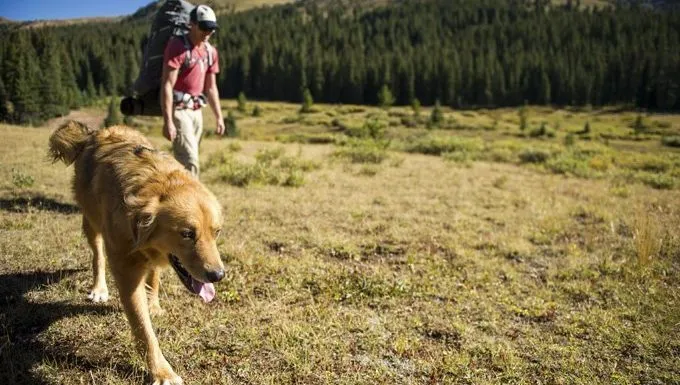
Dog trips on the trail provide important mental stimulation that positively influences your pet’s well-being. As you explore nature, the variety of new scents, sounds, and experiences engages their senses, reducing anxiety and stress. These outings not only promote physical exercise but also encourage social interactions, helping to alleviate behavioral issues that arise from boredom. By prioritizing outdoor adventures, you are actively contributing to your dog’s emotional health and overall happiness, fostering a deeper bond between you and your furry companion.
Key Takeaways:
- Outdoor exploration stimulates a dog’s senses, enhancing mental engagement and reducing stress.
- Physical activity from hiking or walking provides mental enrichment, leading to better mood and behavior.
- Socialization opportunities with other dogs and people on trails can significantly improve a dog’s emotional wellbeing.
Understanding Canine Mental Health
Canine mental health encompasses your dog’s emotional and psychological well-being, significantly influencing their behavior and overall quality of life. Factors such as environment, relationships, and experiences substantially impact their mental state. Engaging in activities that enhance your pet’s mood, such as outdoor exploration, fosters a positive mental health environment. As suggested in Walk with Your Dog: It’s Good For Your Mental Health – DMA, taking your dog on regular walks can boost both your mental health and theirs.
Signs of Stress and Anxiety in Dogs
Recognizing the signs of stress and anxiety in dogs is vital for their mental well-being. Common indicators include excessive barking, destructive behavior, aggression, or withdrawal from social interactions. You might also observe changes in appetite or sleep patterns. Paying attention to these behaviors can help you address their needs effectively, ensuring your dog feels safe and secure.
The Importance of Mental Stimulation
Mental stimulation plays a critical role in your dog’s happiness and behavior. Activities that challenge their minds, such as puzzle toys, training exercises, or exploring new environments, can prevent boredom and mitigate anxiety. For instance, studies have shown that dogs who engage in problem-solving tasks exhibit lower stress levels and improved cognitive function. Offering varied mental challenges keeps your dog enthusiastic and reduces behavioral issues.
Benefits of Outdoor Activities
Outdoor activities provide an array of benefits for your dog’s mental health, enabling them to thrive. Exposure to nature can drastically reduce anxiety and improve their mood, giving them a sense of freedom and joy. Regular outdoor play not only stimulates mental activity but also deepens the bond you share. Engaging in nature can be foundational for your dog’s well-being. Learn more about How Pets Support Mental Health: The Healing Power of ….
Physical Exercise and Its Effects
Physical exercise dramatically influences your dog’s mental state, releasing positive endorphins that foster happiness. Engaging in activities like hiking or running effectively reduces behavioral issues tied to stress or boredom. A well-exercised dog tends to exhibit fewer signs of anxiety and is more sociable, contributing to a balanced temperament. Spending time outdoors allows your dog to burn off excess energy, which can lead to improved focus and calmness at home.
Exploration and Environmental Enrichment
Exploration is a vital aspect of your dog’s outdoor experience, providing necessary environmental enrichment. The diverse stimuli found on trails—different scents, sounds, and sights—encourage your dog to engage their senses fully. Such exposure can enhance cognitive function, as they learn to navigate new terrains and interact with their surroundings. Moreover, this exploration promotes curiosity and adaptability, reinforcing positive behaviors while reducing stress.
Engaging with various elements of their environment sparks mental stimulation, which is crucial for preventing boredom-related behaviors. Allowing your dog to explore new trails introduces them to different wildlife scents and textures, further enhancing their sensory development. Regularly changing your route or location can offer fresh challenges, keeping their minds active and engaged. Incorporating these experiences into their routine not only satisfies their instinctual needs but also contributes significantly to their overall happiness and well-being.
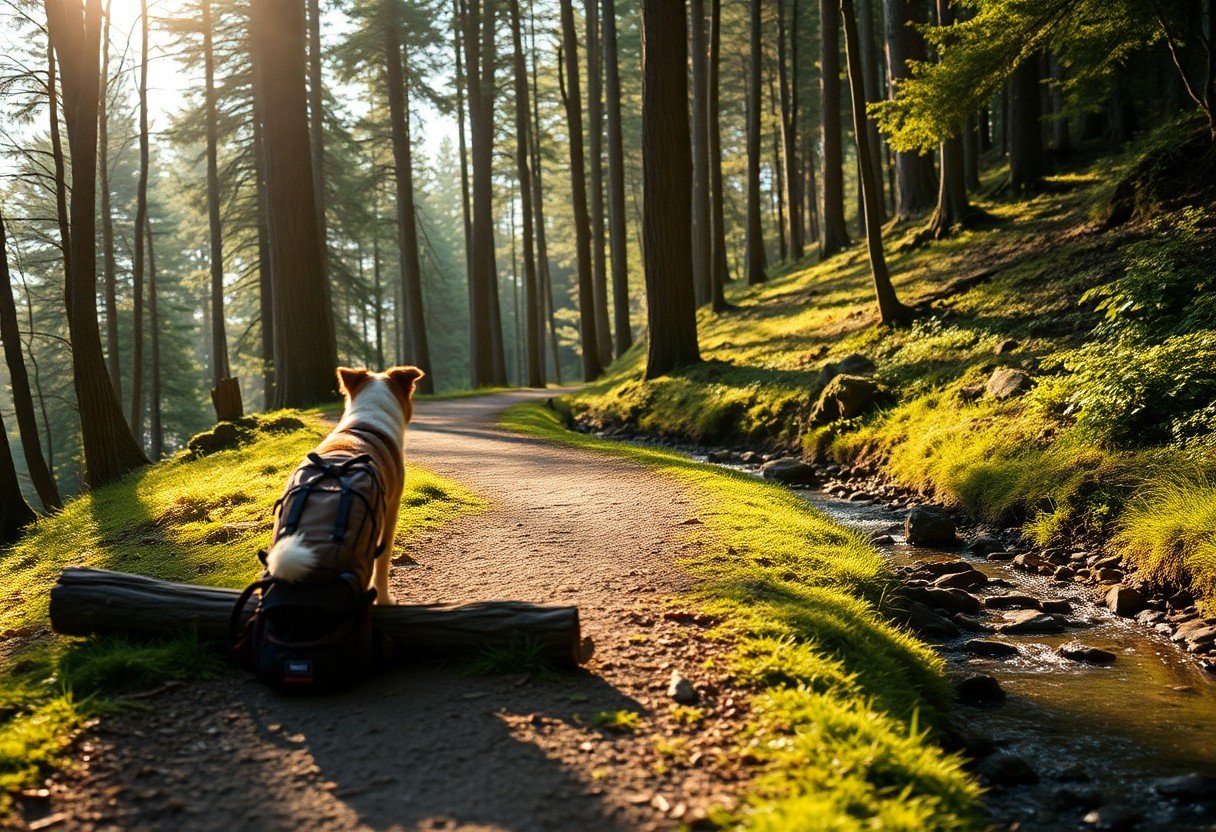
The Trail as a Therapeutic Space
The tranquil environment of the trail creates a therapeutic space for your dog to unwind and explore. Natural surroundings, characterized by the sights, sounds, and smells of the wilderness, can lower anxiety levels and improve overall well-being. Undisturbed spaces allow dogs to engage their instincts, fostering a sense of freedom and reducing behavioral issues linked to boredom or confinement. Every hike presents an opportunity for mental stimulation, resulting in happier and healthier pets.
Nature’s Impact on Canine Mood
Your dog’s mood can significantly enhance when surrounded by nature’s wonders. The combination of fresh air, varied terrains, and diverse scents invigorates their senses, making them feel more alive. Positive interactions with the outdoors can trigger the release of serotonin and dopamine, hormones associated with happiness. This natural boost helps alleviate feelings of stress or depression, leading to a more balanced emotional state.
Socialization Opportunities on the Trail
Trails serve as ideal venues for socialization, allowing your dog to meet different people and other pets. Encountering fellow hikers, cyclists, or dog walkers promotes friendly interactions that can improve their social skills. This exposure to new experiences aids emotional development and equips your dog with better coping mechanisms for various social situations.
During your trail adventures, encounters with other dogs can create lasting friendships and encourage play, which is vital for your dog’s happiness. These interactions teach important social cues and behaviors, such as reading body language and responding to various temperaments. Furthermore, hiking with other dog owners allows for shared experiences, deepening the bond with your pet while also providing insightful tips on canine care and behavior. Over time, consistent socialization on the trail contributes to a dog’s confidence and reduces fearfulness in unfamiliar settings, enhancing their overall quality of life.
Engaging Activities for Dogs on Trails
Engaging activities on trails not only boost your dog’s physical health but also significantly enhance their mental well-being. Incorporating a mix of structured play and free exploration can create a profound impact on your dog’s overall happiness and behavior. Every trail offers unique challenges and distractions, making it an ideal setting for mental stimulation and bonding experiences.
Structured Play and Training Exercises
Structured play and training exercises during hikes promote mental agility and strengthen your bond with your dog. Utilize commands like sit, stay, or come as part of your trail routine, increasing difficulty levels with each session. Incorporating agility exercises, such as jumping over logs or weaving through trees, encourages your dog to think critically while getting ample physical exercise.
Free Exploration and Freedom
Allowing your dog to freely explore the trail fosters independence and can significantly reduce stress. Sniffing different scents, navigating varied terrains, and even enjoying a dip in a stream lets your dog engage their senses fully, fostering curiosity and confidence.
During free exploration, a diverse range of stimuli captures your dog’s attention, helping to alleviate boredom and anxiety. Giving your dog the freedom to roam introduces crucial socialization opportunities, as they encounter other dogs and wildlife. This self-directed exploration not only satisfies their natural instincts but also contributes to increased mental stimulation, leaving them happier and more fulfilled. Encourage your dog to discover their surroundings while maintaining a balance of safety and supervision, enhancing their overall trail experience.
The Role of the Owner
Bonding Through Shared Experiences
Adventure trails offer a unique opportunity for you and your dog to bond through shared experiences. Engaging in activities such as hiking or exploring new environments fosters a deeper connection. As you navigate challenges together, your dog learns to trust you, strengthening the bond between you and enhancing their overall well-being.
Observing and Responding to Your Dog’s Needs
Your ability to observe and respond to your dog’s needs during trail outings is paramount. Noticing signs of fatigue, stress, or excitement enables you to adjust the pace or route accordingly. By tuning into their behavior, you promote a more enjoyable experience, contributing to their mental well-being.
Pay attention to your dog’s body language, which can reveal their emotional state. Signs of fatigue include lagging behind or excessive panting, while signs of anxiety may manifest as pacing or hiding. If you notice your dog becoming overwhelmed, take a break in a calm area to allow them to regroup. Providing fresh water and monitoring their energy levels can also enhance your time on the trail. This responsiveness not only shows your dog that you care but also reinforces a secure environment where they feel safe to explore.

Tips for a Successful Trail Experience
Planning a trail adventure with your dog can maximize both enjoyment and benefits. Keep these tips in mind:
- Choose a trail that matches your dog’s fitness level.
- Bring plenty of water to keep your dog hydrated.
- Pace yourself, allowing for breaks and explorations.
- Use a leash to maintain control in busy areas.
- Pack dog-friendly snacks for energy boosts.
- Check the weather to prepare appropriately.
Assume that the right preparation leads to a more enjoyable experience for both you and your dog.
Preparing for Your Trail Adventure
Before hitting the trail, ensure your dog is physically ready and has the necessary gear. This includes a comfortable and secure harness, a reliable leash, and proper identification tags. Testing your dog’s response to the trails through shorter walks can help gauge their stamina and interest levels. Additionally, having a doggie backpack for carrying their own supplies can be a fun way for your pet to participate in the adventure.
Safety Considerations for Your Dog
Keeping your dog safe while on the trail involves several considerations. Always inspect the trail for potential hazards such as sharp rocks, steep cliffs, and wildlife. Use a first aid kit specifically designed for pets, as accidents can happen. Knowing the signs of potential overheating or exhaustion in your dog is vital, especially on warm days. Be cautious of toxic plants or insects that could harm your pet.
If you notice your dog panting heavily, seek shade and hydration immediately. Familiarize yourself with poisonous plants in your area, such as foxglove or oleander, which can pose serious threats. When navigating trails, be aware of other hikers and their dogs to prevent confrontations. High-traffic areas may require extra vigilance to keep your dog calm and safe. Regular checks for ticks and removal afterward will also protect your dog’s health.
Conclusion
Summing up, taking your dog on the trail can significantly enhance their mental health by providing stimulation, physical activity, and social interaction. The diverse sights, sounds, and smells stimulate their senses, while exercise helps reduce anxiety and behavioral issues. By allowing your dog to explore the natural environment, you foster a bond that promotes emotional well-being. Regular trail outings contribute to a happier, more balanced canine companion, reinforcing the positive effects of outdoor adventures on your dog’s overall mental state.
FAQ
Q: How does being in nature benefit my dog’s mental health?
A: Being in nature provides dogs with stimulating sights, sounds, and smells, which can reduce anxiety and stress. The variety of environmental changes keeps their brain engaged and encourages exploration, leading to improved overall mental well-being.
Q: Can physical exercise on the trail improve my dog’s mood?
A: Yes, physical exercise releases endorphins, which are known to boost mood. Activities like hiking allow dogs to expend energy and relieve pent-up frustrations, leading to a more relaxed and happy demeanor.
Q: What social benefits can my dog experience from trail outings?
A: Trail outings offer opportunities for socialization with other dogs and humans. Positive interactions can build confidence and reduce fearfulness in dogs, leading to better mental health and behavior in various environments.