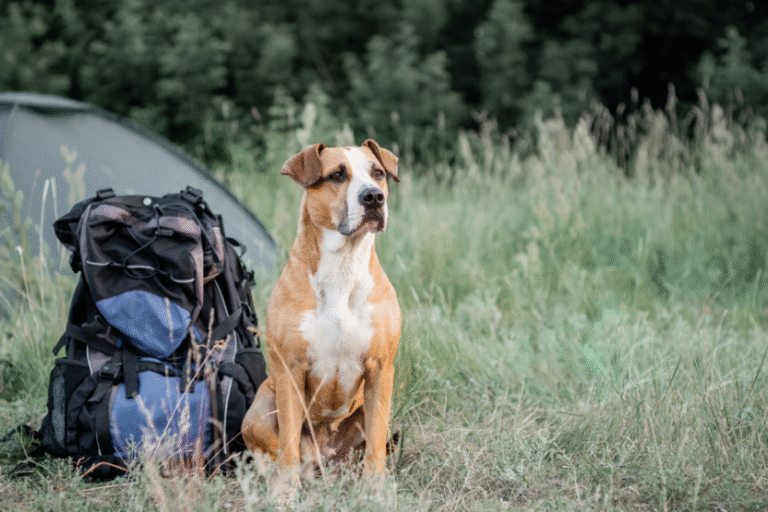
This quick and effective pre-walk routine will transform your leash-walking experience with your dog. By investing just three minutes before stepping out the door, you can address the common leash issues that often lead to frustration during walks. You’ll enjoy smoother, more enjoyable outings and foster a better connection with your furry friend. Follow these simple steps to set both you and your dog up for success every time you hit the pavement.
Key Takeaways:
- A brief pre-walk routine can significantly reduce common leash-related issues.
- Establishing focus and calmness in dogs before starting the walk is imperative for better behavior.
- Consistency in the routine helps reinforce positive walking habits over time.
Understanding Leash Problems
Leash problems are common among dog owners, often manifesting in behaviors like pulling, lunging, or excessive barking. These issues can not only make walks difficult but can also lead to safety concerns for you and your dog. Understanding the root causes is vital to effectively address and correct these behaviors, allowing for more enjoyable outings.
Common Types of Leash Issues
Leash issues vary widely but can generally be categorized into a few types:
- Pulling ahead
- Lunging at distractions
- Excessive barking or whining
- Sniffing and stopping frequently
- Going in circles
This knowledge serves as the foundation for developing tailored training approaches.
| Leash Issue | Description |
|---|---|
| Pulling ahead | Dog walks faster than you, causing strain on the leash. |
| Lunging | Sudden movements toward other dogs or people. |
| Barking or whining | Vocalizations indicating stress or excitement. |
| Frequent sniffing | Stops to explore scents, hindering progress. |
| Circling | Dog spins around the leash instead of walking straight. |
Factors Contributing to Leash Problems
Several factors can lead to leash problems, affecting your dog’s behavior on walks. Age, energy levels, and past experiences with walking all play a role. For instance, a younger, more energetic dog may have difficulty controlling impulses, while an older dog might be more accustomed to your pace. Additionally, lack of proper training or socialization can exacerbate these issues.
- Age and energy levels
- Lack of leash training
- Past negative experiences
- Inconsistent walking routine
- Insufficient socialization
After evaluating these factors, you’ll be better equipped to implement effective training strategies that suit your dog’s unique personality.
Ensuring you address these factors is vital for successful leash training. For example, younger dogs may require more structured leash manners, while older dogs might need patience to adjust their behavior. Inconsistent walking routines can also confuse a dog, leading to erratic behavior on the leash. Evaluate your past experiences and adjust your approach accordingly.
- Evaluate routines regularly
- Modify training techniques as needed
- Be mindful of dog’s past experiences
- Set consistent expectations
- Seek professional help if necessary
After making these adjustments, you’ll likely see a positive change in your dog’s behavior during walks, leading to a more enjoyable experience for both of you.
Preparing for the Pre-Walk Routine
Before venturing into the pre-walk routine, it’s crucial to set the stage for success. Ensuring a calm environment allows your dog to focus and engage positively. Allocate a few quiet moments before the leash goes on. This helps create a mental transition for your pet, signaling it’s time for training rather than just another walk. By preparing both yourself and your dog, you’ll establish a productive atmosphere that enhances learning and reduces distractions.
Essential Tips for Success
Implementing the pre-walk routine effectively increases the likelihood of developing good leash manners. Start in a quiet space, be patient, and maintain a consistent tone. Reward your dog for positive behavior, and keep the session brief to sustain their interest.
- Use a cue word to indicate the start of the routine.
- Keep reward treats handy for reinforcement.
- Practice in short bursts to maintain focus.
- Gradually increase distractions as your dog improves.
- Knowing your dog’s personality helps tailor your approach.
Gathering Necessary Tools
Having the right tools ready makes your pre-walk routine effective. Essentials include a well-fitted collar or harness, a sturdy leash, and high-value treats for rewards. Additionally, consider incorporating a clicker for positive reinforcement and a favorite toy to keep your dog engaged. Each item plays a significant role in creating a smooth transition from indoor to outdoor exploration. These tools will help establish boundaries and set expectations, ensuring a more enjoyable experience during your walks.
Step-by-Step Guide to the 3-Minute Routine
| Step | Description |
| 1. Settle Your Dog | Begin by having your dog sit or lie down calmly. Use a treat to encourage a relaxed state. |
| 2. Focus Exercises | Engage your dog with simple focus exercises like “watch me” using treats to build attention. |
| 3. Practice Leash Handling | Put on the leash while maintaining a relaxed posture. Avoid pulling to foster comfort. |
| 4. Quick Energy Release | Incorporate short bursts of play or movement to help your dog release any pent-up energy. |
Routine Breakdown
Each component of the routine is designed to establish structure and communication with your dog. By settling your dog, you create a calm atmosphere conducive to focus. The focus exercises sharpen attention before you even step outside. Proper leash handling promotes an environment of trust, while a quick energy release prepares them for the walk ahead, ensuring they’re primed and receptive to your commands.
Timing and Execution
The entire routine should take no longer than three minutes, making it efficient yet effective. Begin with settling your dog for about 30 seconds, followed by focus exercises for another minute. Spend a minute on leash handling and conclude with a quick energy release. This pacing keeps your dog engaged and attentive without overwhelming them.
Consistency is key during this timing and execution phase. Repeat this routine before every walk to reinforce the behaviors you want to see. Your dog will learn to associate this quick structure with the excitement of going out, improving their readiness and reducing leash pulling issues. Ensuring each step is completed thoughtfully creates a seamless transition from indoor calmness to outdoor exploration.
Benefits of the Pre-Walk Routine
The pre-walk routine offers numerous advantages that elevate your dog walking experience. It fosters a sense of calmness in your dog, helping them focus on you rather than distractions. This leads to better behavior on leash, making walks more enjoyable for both of you. Additionally, it establishes a structured start to your outings, creating a predictable pattern that your dog can learn and respect. When practiced regularly, you’ll likely notice a significant reduction in common leash problems, enhancing your overall relationship with your pet.
Pros of Regular Practice
Consistently employing the pre-walk routine brings about several benefits. With regular practice, your dog becomes more attuned to your commands and expectations. This leads to fewer instances of pulling or lunging, as your dog learns to associate this routine with calm behavior during walks. Over time, the pre-walk ritual builds trust and strengthens your bond, resulting in a more harmonious walking experience.
How It Enhances Walks
Incorporating this routine before each walk transforms not only your dog’s behavior but also the quality of your time together. You can expect shorter, more controlled walks where your dog remains engaged and responsive. As your dog learns to embrace the routine, they’ll exhibit better manners, leading to reduced stress for both of you. Enhanced focus during walks means you can enjoy the sights and sounds around you without the constant pull of a distracted dog.
Troubleshooting Common Issues
Even with a solid 3-minute pre-walk routine, you may still encounter some leash-related challenges. Common issues include pulling, lunging, or distractions from other dogs or people. If you notice your dog struggling despite your best efforts, take a moment to assess the situation. It may be necessary to adjust your approach or revisit specific elements of your routine to better suit your dog’s needs.
Adjustments for Different Dogs
Your dog’s temperament plays a significant role in their responsiveness to the pre-walk routine. For example, highly energetic dogs may require a little more playtime to release pent-up energy, while anxious or timid dogs might benefit from a slower, more calming start. Tailor your routine accordingly, using treats or toys as incentives to engage them effectively.
When to Seek Professional Help
If leash issues persist despite consistent efforts, it might be time to consult a professional dog trainer or behaviorist. Signs that indicate the need for expert guidance include persistent aggression, extreme fear responses, or inability to focus on you during walks.
Professional trainers can offer personalized strategies based on their observation of your dog’s behavior. They can help pinpoint specific triggers and teach you effective techniques to address underlying issues. With tailored assistance, you can better understand your dog’s unique challenges and work towards a more enjoyable walking experience.
Real-Life Success Stories
Many dog owners have transformed their walks from chaotic to enjoyable after implementing the 3-minute pre-walk routine. One owner noticed a significant reduction in their dog’s pulling behavior, allowing for more relaxed strolls. Others reported fewer distractions during walks, leading to improved focus and bond between them and their pets. These stories highlight the effectiveness of the routine in real-life scenarios, demonstrating that even brief adjustments can lead to substantial improvements.
Positive Outcomes Shared by Owners
Owners frequently share how the pre-walk routine turned their daily outings into calmer adventures. One van owner, for instance, achieved a 75% decrease in her dog’s lunging at passerby dogs, enhancing their confidence and enjoyment. Feedback from various pet owners illustrates that a little preparation goes a long way in fostering a healthier walking experience.
Lessons Learned from Experiences
Understanding the nuances of your dog’s behavior is often the key takeaway from using the pre-walk routine. Many owners found that observing their dog’s reactions helped identify specific triggers, which informed how they approached walks. Focusing on pre-walk calmness not only benefited behavior but also strengthened the human-animal bond.
Numerous owners reported that by being consistent and observant, they learned to recognize their dogs’ unique quirks and stressors. For example, one owner discovered that their dog was particularly anxious around loud noises, prompting them to alter their walking routes to quieter areas. Another realized the importance of timing, finding that walks tended to go smoother when scheduled after playtime rather than before. This personalized approach accelerated the learning curve and solidified lasting changes in leash behavior.
Final Words
Conclusively, incorporating the 3-minute pre-walk routine into your daily practice can significantly enhance your relationship with your dog and alleviate most leash-related issues. By dedicating just a few minutes before each walk to set the right tone, you empower yourself and your furry friend to enjoy more pleasant outings. This simple yet effective approach can lead to more confidence and obedience from your dog, making every walk a joyful experience for both of you.
FAQ
Q: What is the 3-Minute Pre-Walk Routine?
A: The 3-Minute Pre-Walk Routine consists of specific exercises and techniques designed to prepare both the dog and owner for a successful walk. It includes activities that promote focus, decrease excitement, and establish a calm state before heading out.
Q: How does this routine address leash problems?
A: By implementing this routine, dogs learn to associate walking with a structured, calming experience. It helps to reduce pulling, lunging, and distractions during walks, effectively addressing 90% of common leash-related issues.
Q: How can I modify the routine for different dog breeds or temperaments?
A: You can tailor the routine by adjusting the level of intensity and duration according to your dog’s energy level and temperament. For more hyperactive breeds, focus on longer calming exercises, while for calmer breeds, incorporate quicker, more engaging activities to maintain their interest.