safety begins before you step onto the trail. Always check temperature extremes, trail closures, and toxic hazards like blue-green algae or poison plants. Wet conditions can lead to slippery terrain, increasing injury risk. Ensure your dog is prepared-some dogs with Separation Anxiety may struggle on long hikes. A quick assessment protects both of you.
Key Takeaways:
- Check for trail hazards like loose rocks, steep drop-offs, or toxic plants that could harm your dog’s paws or health.
- Verify if the trail allows dogs and whether leash rules are enforced to ensure a safe and compliant hike.
- Assess weather and temperature conditions, as extreme heat or cold can affect your dog’s stamina and safety on the trail.
Surface Temperature and Paw Safety
| Factor | What to Watch For |
| Surface Type | Asphalt, concrete, and dark gravel absorb heat quickly and can cause serious paw burns even on mild days. |
| Time of Day | Mornings and evenings are safest; midday sun turns trails into danger zones for sensitive paw pads. |
| Ground Temperature | If the surface feels hot to your hand after 5 seconds, it’s too hot for your dog’s paws. |
| Footwear Options | Dog booties can protect against heat and sharp terrain, but ensure they fit well to prevent chafing or slips. |
The Scorching Breath of the Sun
You’ve felt it-stepping barefoot on sunbaked pavement and jerking your foot back instantly. Your dog’s paws are no different. Even on a 75°F day, asphalt can reach over 140°F, enough to blister tender paw pads in minutes. Always test the ground with your hand before letting your dog walk freely.
Heat builds fast, and shade disappears as the sun shifts. Trails that start cool can become dangerously hot by mid-morning. Stick to grassy or dirt paths when possible, and never assume a familiar route is safe without checking conditions first.
The Cruelty of Jagged Stone
Rough terrain like broken rock, sharp shale, or exposed roots can slice paw pads or cause painful abrasions. These injuries often go unnoticed until infection sets in. Inspect your dog’s feet after every hike, especially after rocky trails.
Some dogs adapt with tougher pads over time, but young, indoor, or short-haired breeds remain especially vulnerable. A small cut can become a limping emergency fast.
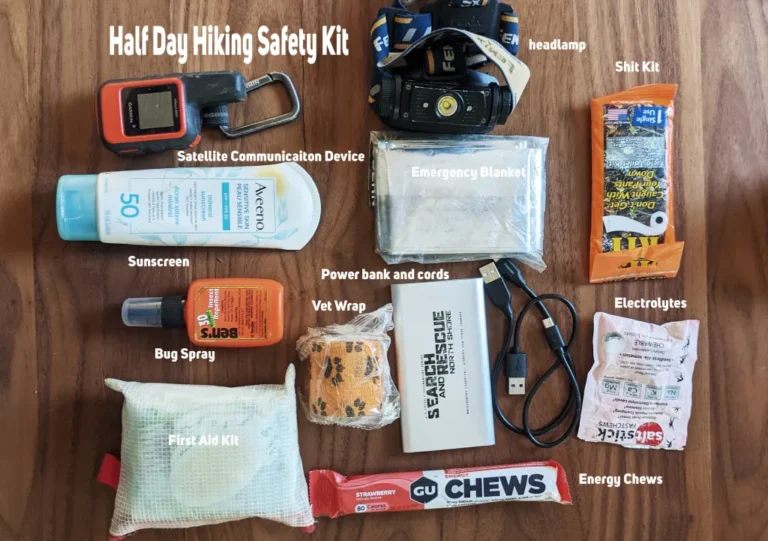
Trail sections with loose scree or fractured stone force your dog to scramble for grip, increasing the chance of slips and paw trauma. These areas don’t just wear down pads-they can tear them open in a single misstep. Carry a basic first aid kit with antiseptic wipes and vet wrap, and know the nearest emergency clinic along your route. Prevention starts with observation: if the ground looks harsh to you, it’s harsher on your dog’s unprotected paws.
Water Availability and Quality
Always assess water sources along your route before letting your dog drink freely. Natural streams and ponds may look inviting, but stagnant water can harbor harmful bacteria and parasites like giardia that cause severe gastrointestinal illness. Even if your dog seems thirsty, it’s safer to carry clean water and a portable bowl.
The Deception of Stagnant Pools
Stagnant pools often appear harmless, especially after rainfall. Yet these still waters are breeding grounds for dangerous pathogens and parasites that can sicken your dog within hours of ingestion. You might not see the threat, but symptoms like vomiting and diarrhea can appear quickly. Never assume still water is safe just because it looks clean.
The Blue-Green Scourge
Blue-green algae, or cyanobacteria, can turn calm waters into a deadly hazard in warm weather. These toxins affect the liver and nervous system, and can kill a dog within minutes to hours of exposure. If you see greenish scum, a paint-like film, or notice a foul odor, keep your dog away-no matter how inviting the swim looks.
Some blooms produce toxins that remain even after the water appears clear again. Dogs can be poisoned by licking fur after contact, not just from drinking. There is no antidote, and veterinary care is often too late. When in doubt, treat any suspicious water as toxic and stick to your own supply.
Wildlife Activity and Seasonal Risks
The Predators in the Shadows
You may not see them, but predators like coyotes, mountain lions, and bears are more active during dawn and dusk. Keeping your dog on a leash greatly reduces the risk of an encounter turning dangerous. These animals view unleashed dogs as threats or prey, especially during mating or birthing seasons. Your awareness of local predator patterns can mean the difference between a safe hike and an emergency.
The Tiny Harvesters of Blood
Ticks emerge in force during warm months and carry dangerous diseases like Lyme and Ehrlichia. They wait in tall grass and brush, latching onto your dog within seconds of contact. Checking your dog thoroughly after every trail outing is non-negotiable. Even a short walk can result in an infestation if you’re not vigilant.
Prevention starts before you leave home. Using a veterinarian-approved tick repellent significantly lowers the chance of attachment. Some products also prevent heartworm and fleas, offering layered protection. After your hike, run your hands over your dog’s body, focusing on ears, under legs, and between toes-common hiding spots. Finding a tick early reduces disease risk dramatically.
Trail Elevation and Grade
The Toll of the Vertical Climb
Your dog’s stamina drops quickly on steep ascents, even if they seem fit. Grades above 10% can strain joints and lead to overheating, especially in larger or short-legged breeds. You’ll want to assess how much elevation gain your pup can handle before committing to a climb.
Each thousand feet of elevation adds physical stress, and dogs don’t recover as fast as humans do. Descending is often harder on their bodies than going up, increasing the risk of soreness or injury. Know your dog’s limits and choose trails that match their conditioning.
The Thinning Air of the Peaks
At higher elevations, oxygen levels drop, and your dog may struggle to breathe efficiently. Symptoms like excessive panting, lethargy, or stumbling can signal altitude distress. Breeds with short snouts or heart conditions are especially vulnerable.
Most dogs aren’t adapted to altitudes above 8,000 feet without acclimation. Rapid ascent increases the risk of mountain sickness, which can become dangerous fast. Always ascend gradually and watch for signs your dog isn’t adjusting well.
High-altitude environments reduce the amount of oxygen available in each breath your dog takes, impairing their endurance and recovery. Unlike humans, dogs can’t verbally express discomfort, so you must be hyper-attentive to subtle cues like slowed pace or reluctance to continue. Brachycephalic breeds-like Bulldogs or Pugs-are at significantly higher risk and should avoid high-elevation trails altogether.
Weather Forecast and Exposure
Checking the day’s weather forecast is one of the smartest things you can do before hitting the trail with your dog. Sudden storms, extreme heat, or freezing temperatures can turn a pleasant hike into a dangerous situation fast. Always review local conditions and consider how exposure on the trail-like open ridges or treeless stretches-could amplify risks. For guidance on how to behave around other hikers and dogs, see this discussion on What is standard dog hiking etiquette on trails?.
The Sudden Fury of the Elements
Storms can roll in fast, especially in mountainous areas, catching unprepared hikers off guard. Lightning, heavy rain, and high winds pose serious threats to both you and your dog, particularly on exposed terrain. If the sky darkens or thunder echoes, turn back immediately-your dog can’t understand the danger, but you can protect them.
The Silent Thief of Vitality
Heat exposure often sneaks up without warning, draining your dog’s energy before you notice. Unlike humans, dogs cool themselves mainly through panting, which becomes less effective in high heat or humidity. Dehydration and overheating can lead to collapse, especially on long, sun-baked trails with little shade.
Even on mild days, continuous exertion under direct sun can overwhelm your dog’s ability to regulate body temperature. Carry water and offer frequent breaks in shaded areas. Watch for excessive panting, lagging behind, or unsteadiness-these are early signs your dog is struggling. Preventing heat stress means staying alert and adjusting your pace before problems arise.
Summing up
The trail conditions you check before heading out directly impact your dog’s safety and comfort. You need to assess terrain difficulty, weather, and trail regulations to ensure a safe experience. Wet or rocky paths can harm sensitive paws, while extreme temperatures increase the risk of overheating or frostbite. Always inspect for wildlife activity and poison plants that could threaten your dog. Your preparation makes the difference between a pleasant hike and an emergency.
FAQ
Q: What weather conditions should I check before taking my dog on a trail?
A: Check the temperature, humidity, and chance of rain before heading out. Hot pavement can burn your dog’s paws, especially in direct sunlight. Trails that are wet or muddy may become slippery and increase the risk of injury. If it’s extremely hot, your dog can overheat quickly, even on short walks. Cold weather with ice or snow may require protective booties or a coat for short-haired breeds. Always bring water and plan for shade or shelter if conditions change.
Q: How do I know if a trail is safe for my dog’s fitness level?
A: Look at the trail’s length, elevation gain, and terrain difficulty. A steep, rocky path may be too tough for older dogs or small breeds with short legs. If your dog isn’t used to long distances, start with shorter loops and build up stamina over time. Watch for signs of fatigue like lagging behind, heavy panting, or reluctance to move. Trails with frequent rest spots, water access, and flat sections are better for dogs still building endurance.
Q: Are there trail hazards I should watch for that could affect my dog?
A: Yes. Be alert for wildlife like snakes, coyotes, or insects such as ticks and mosquitoes. Some plants, like poison ivy or foxtails, can irritate your dog’s skin or get trapped in their fur and cause infections. Check for posted signs about hunting seasons, restricted areas, or toxic algae in nearby water sources. Always keep your dog on a leash where required and carry a first-aid kit with tweezers, antiseptic wipes, and bandages in case of minor injuries.