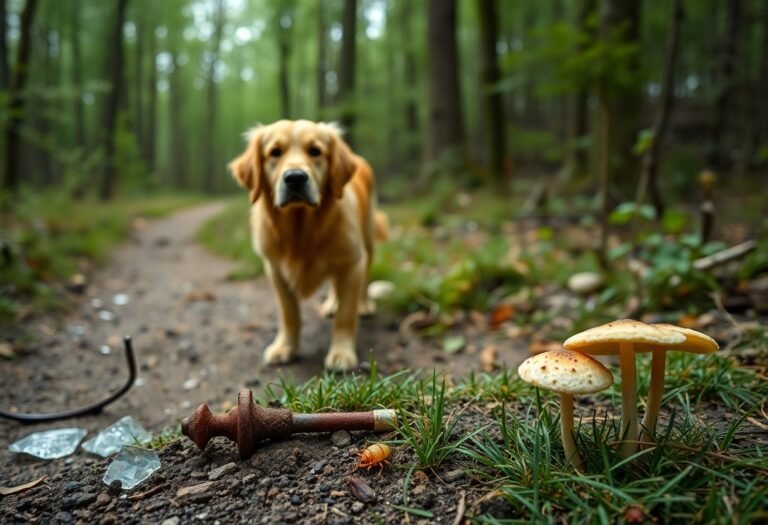
Many trail dogs face life-threatening risks from dehydration, overheating, and wildlife encounters. You can prevent these dangers with a simple, daily 15-minute routine. This practice builds crucial safety habits like paw checks, hydration monitoring, and recall training. A well-prepared dog stays safe, confident, and injury-free on every hike.
Key Takeaways:
- Consistency in practicing the 15-minute safety routine builds reliable habits, helping trail dogs respond quickly to commands even in unpredictable outdoor environments.
- Focus on core skills like leash discipline, recall, and staying calm around wildlife ensures dogs remain safe and respectful of shared trail spaces.
- Short, daily training sessions are more effective than occasional long ones, keeping the dog engaged and making safety practices a natural part of every hike.

Essential Gear Types for the 15-Minute Routine
Every trail dog’s safety begins with the right equipment, and your 15-minute routine should include a quick gear check. The proper tools not only protect your dog but also ensure a smooth, enjoyable hike for both of you. Focus on items that enhance visibility, comfort, and durability under changing trail conditions.
- Always use a high-visibility harness to keep your dog seen in low light
- Carry all-terrain booties to shield paws from extreme surfaces
- Include a collapsible water bowl for quick hydration stops
- Attach a GPS tracker to monitor your dog’s location instantly
- Keep a mini first-aid kit tailored for canine trail emergencies
Recognizing the risks of trail hazards starts with what your dog wears.
| Gear Type | Purpose & Benefit |
| High-visibility harness | Increases visibility in dawn, dusk, or dense foliage; reduces collision risk |
| All-terrain booties | Protects paw pads from hot rocks, ice, and sharp debris |
| GPS tracker | Provides real-time location updates if your dog wanders off-trail |
| Collapsible water bowl | Enables quick hydration without added pack weight |
| Mini canine first-aid kit | Contains crucials like antiseptic wipes, gauze, and tweezers for immediate care |
Selecting High-Visibility and Durable Harnesses
Your dog’s harness is their primary safety anchor during trail activity. Choose one made from ripstop nylon or similar rugged material that resists abrasion from brush and rocks. Reflective stitching and bright colors like blaze orange or neon yellow dramatically increase visibility at dawn or in fog. A secure chest clip and adjustable fit prevent slipping without restricting movement.
This gear prevents escape and injury when trails get unpredictable. A poorly fitted harness can chafe or fail under tension, putting your dog at risk. Always test the harness during your 15-minute routine to confirm buckles are tight and fabric shows no wear. Durability and visibility are non-negotiable for safe trail access.
Protective Paw Wear and All-Terrain Booties
Sharp rocks, hot asphalt, and icy paths can damage your dog’s paw pads within minutes. All-terrain booties act as a shield, offering grip and insulation across surfaces. Look for non-slip soles and breathable mesh uppers that stay secure during active movement. Introduce them early so your dog walks naturally without resistance.
Proper fit prevents blisters and loss during hikes. Check each bootie’s snugness around the ankle and ensure no twisting occurs during a short test walk. Consistent use of paw protection reduces long-term joint strain and pad trauma.
Booties aren’t just for winter hikes-they’re crucial year-round. From scorching desert trails to muddy forest paths, your dog’s paws face constant exposure. High-quality models dry quickly and resist tearing when snagged on roots or gravel. Integrate them into your 15-minute routine by storing them in a designated gear pouch for instant access. Preventing injury before it happens is the smartest move you can make as a trail-ready handler.
Critical Factors Influencing Canine Trail Safety
Your dog’s safety on the trail hinges on recognizing environmental variables before setting paw to path. Temperature, terrain difficulty, elevation gain, and humidity directly impact your dog’s physical limits. Ignoring these factors can lead to heatstroke, exhaustion, or joint injury. Thou must assess conditions as rigorously as you would for a human hiking partner.
- Monitor real-time weather shifts using a portable device or app
- Adjust pace and route based on your dog’s breed-specific tolerance
- Carry portable water and a collapsible bowl for frequent hydration
- Watch for panting intensity and lagging as early fatigue signals
Analyzing Terrain Difficulty and Elevation Gain
Steep inclines and rocky paths demand more from your dog’s musculoskeletal system than flat ground. Trails with rapid elevation gain can overexert even fit dogs, especially in high altitudes where oxygen is thinner. Evaluate the route’s grade and surface-loose gravel, mud, or exposed roots increase slip and injury risk.
Young, agile dogs may handle rugged terrain, but older or short-legged breeds struggle. Pre-check trail maps for elevation profiles and choose paths matching your dog’s fitness level. Thou must respect natural limitations, not push through strain.
Monitoring Temperature and Humidity Thresholds
High heat combined with humidity limits your dog’s ability to cool through panting. Even at 75°F (24°C), relative humidity above 70% can trigger overheating. Asphalt and dark rock radiate heat, increasing paw burn risk and core temperature.
Early signs like excessive drooling or slowed movement mean it’s time to stop. Thou must act before collapse occurs.
| Condition | Action Required |
|---|---|
| Temperature > 80°F (27°C) | Limit activity to early morning or evening |
| Humidity > 70% | Cancel or shorten hike; seek shade and water |
| Panting becomes labored | Stop immediately, offer water, cool with wet cloth |
| Paws feel hot to touch | Switch to grassy path or use protective booties |
Understanding how temperature and humidity interact is imperative-your dog can’t sweat like you do. The combination of high ambient heat and poor air circulation traps body heat, making heat exhaustion a silent threat. Use the table above as a real-time reference during hikes. Watch for subtle cues: glazed eyes, stumbling, or refusal to move. Thou must intervene at the first red flag.
| Breed Sensitivity | Recommended Precautions |
|---|---|
| Bulldogs, Pugs, Huskies | Avoid midday heat; use cooling vests |
| Large, muscular breeds (e.g., Labradors) | Monitor for exertional rhabdomyolysis |
| Dogs with thick coats | Brush out undercoat seasonally; trim fur |
| Puppies and seniors | Reduce trail time by 50% in hot conditions |
Step-by-Step Pre-Trail Safety Inspection
| Check | Action |
| Collar & ID Tags | Ensure snug fit and legible information; replace if worn |
| Leash & Harness | Inspect for frays, cracks, or weak buckles; test secure fit |
| Paw Pads | Look for cuts, embedded debris, or dryness; apply balm if needed |
| Hydration & Fuel | Confirm water availability and pack high-energy snacks |
| Weather Readiness | Dress your dog appropriately; pack rain or cooling gear as needed |
The Five-Minute Head-to-Tail Physical Wellness Exam
Your dog’s body holds early clues to trail readiness. Start at the head-check eyes for clarity, ears for redness or odor, and teeth for plaque or discomfort. Run your hands down the neck and spine, feeling for tension or swelling. Limping, trembling, or flinching during this exam means delay the hike. A healthy dog moves freely and shows no signs of pain.
Finish by lifting each paw to inspect pads and nails. Cracked pads or overgrown nails increase injury risk on rough terrain. Even minor discomfort can escalate quickly on a trail. If anything feels off, address it before departure-your dog’s safety depends on these small checks.
Calibrating Recall and Emergency Stop Commands
Recall and emergency stop commands can prevent dangerous situations. Practice in a distraction-free zone first, then gradually increase difficulty. Use a consistent verbal cue-“Come” or “Stop”-paired with a hand signal. Reward immediate compliance every time. A split-second response could save your dog’s life near cliffs, wildlife, or traffic.
Your dog must obey even when excited. Test recall near mild distractions like squirrels or other dogs. If they hesitate, reinforce training before hitting the trail. Consistency builds reliability. Never assume past success guarantees future response-refresh commands weekly.
Strong recall isn’t just obedience-it’s a lifeline. On trails, unexpected dangers appear fast: a snake, a steep drop, or an off-leash dog. If your dog ignores the “Stop” command, they’re at serious risk of injury or getting lost. Practice daily in varied environments so the behavior becomes instinctive, not optional. This isn’t about control-it’s about protection.
Organizing and Verifying the Canine First Aid Kit
A well-stocked kit is useless if supplies are expired or disorganized. Check every item before each hike: antiseptic wipes, gauze, tweezers, vet wrap, and any medications. Replace used or expired components immediately. Include a cold pack and a small towel. Bleeding, burns, or embedded thorns need fast attention-know where each item is without fumbling.
Keep the kit lightweight but complete. Store it in a waterproof pouch attached to your pack. Teach a hiking partner where it is and how to use key items. Seconds count in emergencies, and hesitation can worsen outcomes. A prepared handler turns panic into action.
Every trail outing demands a functional first aid kit tailored to your dog’s needs. Add booties if terrain is sharp, or antihistamines if allergies are a concern. Include a copy of your dog’s medical summary and vet contact. Missing one critical item could turn a minor injury into a crisis. Treat this kit like your dog’s emergency passport-always ready, always accessible.
Pros and Cons of Various Leash Systems
Choosing the right leash system shapes your trail dog’s safety and your control in dynamic outdoor environments. The table below breaks down the most common options, highlighting key strengths and potential drawbacks to help you make an informed decision.
| Fixed-Length Training Lead | Predictable control; limits overextension and prevents tangling |
| Retractable Leash | Offers variable range; convenient on open paths |
| Long-Line System (15-30 ft) | Grants freedom for recall training; ideal for open fields |
| Hands-Free Leash | Leaves your hands free; great for hiking or running |
| Double-Ended Clip Leash | Secure for multi-dog walks; reduces缠ling with proper use |
| Retractable Leash | High risk of burns, broken fingers, and entanglement; poor control in brush |
| Long-Line System (15-30 ft) | Tangling hazard in wooded areas; requires constant vigilance |
| Fixed-Length Training Lead | Limited range may restrict natural exploration |
| Hands-Free Leash | Can encourage pulling if not properly trained |
| Double-Ended Clip Leash | Heavier setup; less ideal for small dogs |
Learn more about daily routines that complement leash training by checking out The 3 walks you should take your dog on every day.
The Security of Fixed-Length Training Leads
Your control is strongest with a fixed-length training lead, typically 4 to 6 feet long. This leash offers consistent boundaries, making it easier to reinforce heel work and prevent lunging at wildlife. Because the length doesn’t change, your dog learns to stay within a defined space, reducing surprises on narrow trails.
The Versatility and Risks of Long-Line Systems
Freedom comes with responsibility when using a long-line system. These 15-30 foot leashes allow off-leash-like movement while maintaining a physical connection, ideal for practicing recalls in semi-wild areas. However, they can easily snag on branches or twist around limbs, posing a danger if not managed closely.
You gain valuable training flexibility with a long-line, especially in open meadows or beach trails where distractions are visible and terrain is clear. The extended length helps condition your dog to respond to commands at a distance, but only if you remain alert. Losing focus even briefly can result in entanglement or escape attempts, turning a training session into a hazard. Always use this system in safe, low-traffic zones.
Expert Tips for Navigating High-Traffic Trails
You’ll face constant movement and noise on busy trails, making focus and obedience non-negotiable. Train your dog to stay close using a short leash and reward calm behavior near strangers or other animals. Practice recall regularly in distracting environments so your dog responds instantly. Always carry high-value treats to reinforce good choices. Perceiving subtle shifts in your dog’s body language helps you intervene before reactions escalate.
- Keep your dog on a non-retractable leash to maintain control
- Use clear, consistent verbal cues like “leave it” or “heel”
- Choose off-peak hours when trail congestion is lower
- Wear reflective gear for visibility in low light
- Stay aware of escape routes and safe zones if tension rises
Strategies for Managing Unfamiliar Dog Encounters
Most trail conflicts start with uninvited approaches. You can prevent tension by keeping your dog at a respectful distance and avoiding direct eye contact with other dogs. If another dog comes too close, step sideways to block contact while calmly saying “nope” or “let’s go.” Never allow on-leash greetings unless both owners agree. Perceiving early signs of stress-like stiffening or low growling-lets you redirect before snapping occurs.
Techniques for Discouraging Wildlife Interaction
Wildlife encounters can turn dangerous fast, especially with snakes, coyotes, or nesting birds. Keep your dog within sight and use a firm “back” command if they show interest in rustling bushes. Carry a whistle or air horn to scare off animals without encouraging chase. Never let your dog investigate tracks or scat. Perceiving movement beyond the trail edge helps you steer clear before curiosity becomes a hazard.
Training your dog to disengage from wildlife requires repetition and timing. The moment they notice an animal, redirect their attention with a treat or toy and praise heavily for compliance. Over time, this builds a reliable habit of checking in with you instead of reacting. Off-leash freedom should only come after consistent success in high-distraction zones. Prevention is far safer than intervention when wildlife is involved.
Post-Trail Recovery and Hygiene Maintenance
After every trail session, your dog needs a structured cooldown to prevent long-term strain and support overall health. A consistent recovery routine isn’t optional-it’s vital for injury prevention and sustained performance. One key question owners often ask is: How much time should I spend training my dog each day? The answer depends on breed, age, and activity level, but recovery time should always follow training or hiking.
Systematic Inspection for Parasites and Debris
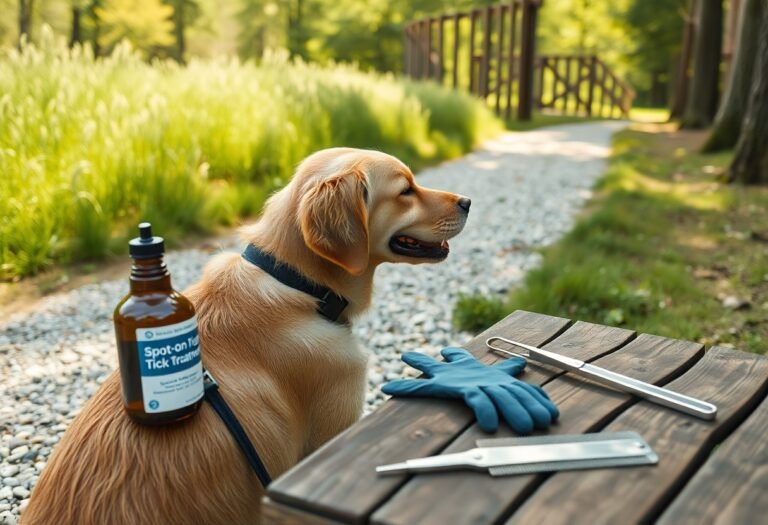
Start by running your hands over your dog’s entire body, checking between toes, under the collar, and around the ears. Ticks, burrs, and foxtails can embed quickly and lead to infections if missed. Pay close attention to moist areas like the groin and underarms where parasites thrive.
Rehydration Protocols and Muscle Recovery
Offer fresh water immediately after the hike, even if your dog doesn’t appear thirsty. Dehydration can set in rapidly, especially after strenuous activity, and may cause cramping or heat exhaustion. Allow small, frequent drinks to avoid bloating.
Your dog’s muscles need time to recover just like yours. Gentle stretching or a short, slow walk afterward helps reduce stiffness. Consider a cooling mat or shaded rest area to support circulation and lower core temperature naturally. Proper recovery doubles longevity in active dogs.
To wrap up
The 15-minute safety routine builds confidence and protection for every trail dog. You strengthen your bond while ensuring your dog responds reliably in unpredictable outdoor settings. From loose-leash walking to emergency recall, each skill prepares both of you for safer adventures. Consistency in practice leads to dependable behavior on the trail.
You already have the tools-time, patience, and daily commitment. Spend those 15 minutes with purpose, focusing on clear cues and positive reinforcement. Your dog learns best through repetition and calm guidance. Over time, these moments become second nature, keeping your dog safe and your hikes enjoyable.
FAQ
Q: What exactly is the 15-minute safety routine for trail dogs?
A: The 15-minute safety routine is a daily practice that prepares dogs for safe and enjoyable trail adventures. It includes checking the dog’s physical condition, reviewing basic obedience commands, inspecting gear like harnesses and booties, and practicing recall in a distraction-rich environment. This routine builds consistency and confidence, ensuring the dog responds reliably when off-leash on trails. It also gives owners a chance to spot early signs of injury or discomfort before heading out.
Q: Why should every trail dog learn this routine, even if they already behave well on hikes?
A: Even well-behaved trail dogs benefit from structure and repetition. The routine reinforces focus and discipline in changing outdoor environments where distractions like wildlife, scents, and terrain shifts are common. A dog might follow commands at home but hesitate near a deer trail or rushing stream. Practicing for 15 minutes each day strengthens muscle memory and attention, reducing the risk of accidents. It also deepens the bond between dog and handler through consistent, positive interaction.
Q: Can puppies or older dogs benefit from this routine?
A: Yes, dogs of all ages can adapt to the 15-minute safety routine with minor adjustments. Puppies use the time to build good habits early, learning boundaries and commands in a controlled setting before facing complex trail conditions. Older dogs may move slower, but the routine helps maintain mental sharpness and physical awareness. For senior dogs, the focus can shift to joint checks, shorter command drills, and comfort assessments to ensure trail time remains safe and enjoyable in their later years.