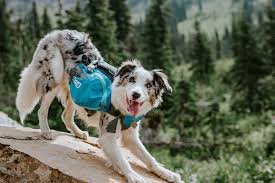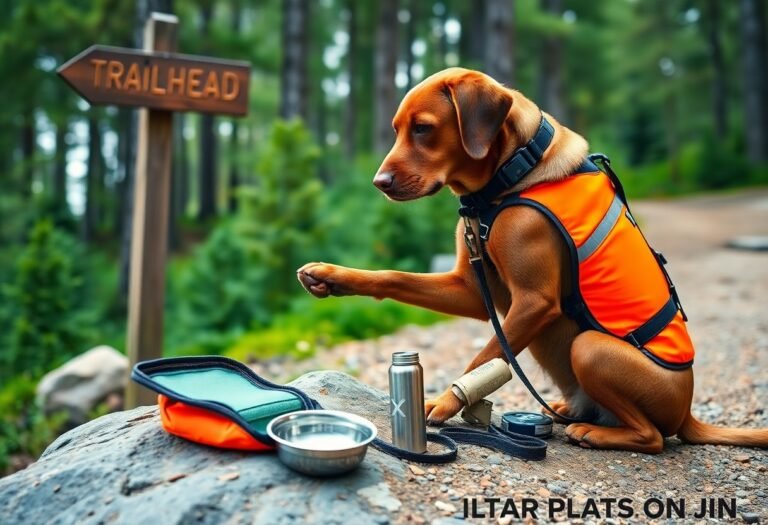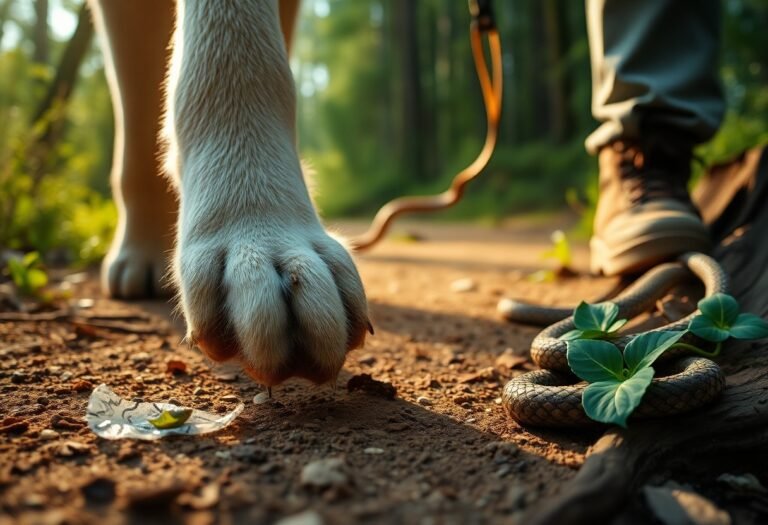
This checklist ensures you never overlook what your dog truly needs in the wild. Dehydration, overheating, and toxic plants are real dangers on trails. You must pack fresh water, a portable bowl, and emergency vet contacts. A well-stocked kit means safer, happier adventures for both of you.
Key Takeaways:
- Dogs need paw protection on extreme terrain-rugged trails, hot pavement, or icy paths can cause injury, so carrying booties or balm is a simple step many overlook.
- Hydration isn’t just for long hikes-many owners forget to bring portable water bowls and fresh water even on short outings, risking dehydration in warm weather.
- Checking local wildlife patterns before heading out helps avoid dangerous encounters, yet most dog owners focus only on trail maps and skip this safety step.
Identifying Different Types of Dog Adventures
Every dog thrives on variety, and matching the right adventure type to your dog’s breed, energy level, and temperament ensures both safety and enjoyment. From rugged trails to city sidewalks, the options are broader than most owners assume. Understanding these categories helps you plan smarter outings that keep your dog engaged and physically stimulated. Any mismatch between activity and ability can lead to exhaustion or injury-so choose wisely.
- Choose high-altitude hiking for dogs bred in mountainous regions with thick coats and high stamina
- Opt for aquatic adventures if your dog loves water and has strong swimming ability
- Try urban excursions for mental stimulation in controlled, social environments
- Consider desert trekking only with heat-tolerant breeds and strict hydration protocols
- Explore forest trail running for dogs needing intense aerobic challenges
| Adventure Type | Best For |
| High-Altitude Hiking | Dogs with dense coats and high endurance like Huskies or Bernese Mountain Dogs |
| Aquatic Adventures | Strong swimmers such as Labradors, Newfoundlands, or Portuguese Water Dogs |
| Urban Excursions | Well-socialized dogs comfortable with noise, crowds, and varied surfaces |
| Desert Trekking | Heat-adapted breeds like Rhodesian Ridgebacks or Basenjis |
High-Altitude Hiking and Mountain Trekking
Altitude affects dogs just as it does humans-lower oxygen levels can cause fatigue, dizziness, or altitude sickness. Breeds with short muzzles or heart conditions should avoid steep climbs above 8,000 feet. Always acclimate gradually and watch for signs of distress like excessive panting or reluctance to move. Any ascent should include frequent rest stops and access to clean water.
Aquatic Adventures: Kayaking and Coastal Exploration
Water-based trips offer low-impact exercise and mental enrichment, especially for dogs that naturally enjoy swimming. You must ensure your dog wears a properly fitted canine life jacket-even strong swimmers can tire quickly in currents. Saltwater exposure requires thorough rinsing afterward to prevent skin irritation. Any aquatic outing demands constant supervision near open water.
Many dogs adapt quickly to kayaks once introduced slowly and rewarded for calm behavior. Start in calm, shallow bays before attempting river routes or coastal paddling. Watch for signs of hypothermia in cooler climates, and avoid areas with strong tides or boat traffic. Bring fresh water-never let your dog drink from lakes or oceans.
Urban Excursions and Dog-Friendly City Tours
Cities provide endless sensory input, from new smells to diverse people and sounds, which can be enriching for confident dogs. Pavement burns paws in summer, so test ground temperature with your hand before walking. Always carry waste bags and respect leash laws-some parks and transit systems have strict rules. Any urban trip should include scheduled breaks in shaded areas.
Exploring dog-friendly cafes, markets, and public transit builds confidence and obedience in stimulating environments. Use a secure harness instead of a collar to reduce neck strain in crowded spaces. Avoid rush hours and loud events that could overwhelm sensitive dogs. Plan routes with access to grassy zones for relief and rest.
Critical Factors Influencing Adventure Preparedness
Every successful dog adventure starts with honest evaluation of your dog’s physical conditioning and breed traits. Energy levels, joint health, and breed-specific tendencies-like a husky’s endurance or a bulldog’s heat sensitivity-directly impact safety and enjoyment. Pushing beyond your dog’s limits risks injury or exhaustion. Know your dog’s baseline through regular training hikes and vet checkups. Thou must respect natural limits as much as you celebrate strengths.
Assessing Your Dog’s Physical Conditioning and Breed Traits
Your dog’s breed shapes what kind of terrain and distance they can handle. High-drive working breeds often thrive on long trails, while brachycephalic dogs struggle with heat and elevation. Evaluate stamina with gradual increases in walk intensity. Watch for limping, excessive panting, or reluctance-these are red flags you can’t ignore. Thou must match the adventure to your dog’s body, not your ambition.
Environmental Variables: Weather, Terrain, and Wildlife
Weather swings can turn a fun hike into a crisis-especially for dogs prone to overheating or cold sensitivity. Hot pavement burns paw pads, while icy trails increase injury risk. Rugged terrain demands sure footing and strong muscles. Wildlife encounters, even with squirrels, can trigger chase instincts leading to danger. Thou must scout conditions ahead and adapt in real time.
Extreme temperatures affect dogs faster than humans. Humidity reduces cooling efficiency during panting, raising heatstroke risk. Rocky or uneven ground challenges balance, particularly in older dogs. Predators or venomous animals add another layer of risk. Always carry a lightweight emergency blanket and know the local hazards before you go.
Duration and Remoteness of the Intended Route
Longer routes demand more supplies, rest stops, and contingency plans. Remote trails mean no quick exits if your dog gets injured or tired. Evaluate how far you are from veterinary care and whether your dog can sustain the pace. Pack extra water, food, and a portable first-aid kit. Thou must plan for delays, not just the ideal scenario.
Extended trips amplify small issues into emergencies. A minor paw cut becomes infected without prompt care. Limited access to shade or water increases dehydration risk. Always inform someone of your route and expected return. Satellite messengers can be lifesaving in areas without cell service. Prepare as if help is hours away-because it might be.
Step-by-Step Guide to Crafting Your Adventure Checklist
| Phase | Action Steps |
| Phase One | Verify vaccinations, obtain health certificate, update microchip, pack first-aid kit |
| Phase Two | Measure daily food portions, pack collapsible bowls, bring filtered water supply |
| Phase Three | Inspect leash and harness, test GPS tracker, review emergency contacts |
Phase One: Pre-Trip Health and Documentation Verification
Your dog’s safety begins before you leave home. Schedule a vet visit to confirm all vaccinations are current and request a health certificate if crossing state or international borders. Failure to carry proper documentation can result in denied access or quarantine. Update your pet’s microchip information and attach an ID tag with your current phone number.
Carry a compact first-aid kit tailored for dogs. Include tweezers for tick removal, antiseptic wipes, and any prescribed medications. A sudden illness or injury in a remote area can turn dangerous without immediate care. Knowing your dog is medically prepared gives you peace of mind on rugged trails or unfamiliar terrain.
Phase Two: Organizing Nutrition and Hydration Logistics
Consistent nutrition keeps energy levels stable during long hikes or travel days. Measure your dog’s daily food portions in advance and pack them in sealed, labeled bags. Bring a lightweight, collapsible bowl for easy feeding and cleanup. Dehydration is a silent risk-never rely on natural water sources, which may carry parasites like giardia.
Plan for at least two times the water you think you’ll need. Dogs lose fluids quickly through panting, especially in heat or at elevation. Use a portable water filter or bring bottled water to ensure clean drinking supply.
Feeding your dog on schedule prevents digestive upset and maintains morale. Sudden diet changes or missed meals can lead to lethargy or irritability, undermining the entire trip. Pre-portioned meals eliminate guesswork and reduce pack weight. Sticking to familiar food avoids gastrointestinal surprises in the middle of nowhere.
Phase Three: Final Gear Inspection and Emergency Protocols
Inspect every piece of gear 48 hours before departure. Check that the harness fits snugly, the leash has no frays, and the GPS tracker is charged and synced to your phone. Pack a printed emergency contact sheet with vet numbers, poison control, and your dog’s medical summary. Having a working communication plan can save critical minutes during an emergency.
Test your dog’s recall in a secure area using trail-like distractions. Confirm they respond reliably, even when excited. Practice attaching the leash quickly and review basic commands. A well-practiced routine reduces panic in unexpected situations.
Emergency readiness isn’t just about gear-it’s about behavior and response time. Run through potential scenarios: What if your dog bolts? What if they ingest something toxic? Knowing your next move prevents hesitation. Confidence in your protocol protects both you and your dog when seconds count.
Pros and Cons of Off-Leash vs. Leashed Exploration
Choosing between off-leash freedom and leashed control shapes your dog’s outdoor experience in powerful ways. Your dog’s safety, training level, and the environment all influence which method works best. Below is a breakdown of key factors to consider when deciding how your dog explores the world.
| Aspect | Details |
|---|---|
| Freedom of Movement | Off-leash allows full exploration; leashed restricts range. |
| Safety Risk | Off-leash increases danger near roads or wildlife; leashed reduces it. |
| Training Reinforcement | Leashed walks support obedience; off-leash tests recall skills. |
| Social Interaction | Off-leash dogs may approach others unpredictably. |
| Legal Compliance | Many parks require leashes; off-leash may result in fines. |
| Exercise Quality | Off-leash often leads to more intense, natural activity. |
| Owner Control | Leashed offers immediate response; off-leash demands trust. |
| Dog Confidence | Off-leash can boost independence when done safely. |
| Distraction Management | Leashed helps guide focus; off-leash requires strong attention skills. |
| Emergency Response | Leashed gives faster control during sudden threats. |
Benefits and Risks of Unrestricted Movement
Letting your dog roam freely offers mental stimulation and natural behaviors like sprinting and scent tracking. This freedom can improve confidence and physical fitness. Yet, uncontrolled movement carries real dangers-your dog might chase wildlife, run into traffic, or approach aggressive animals. Even well-trained dogs can make split-second decisions with lasting consequences. Off-leash time should only happen in secure areas where risks are minimized.
The Security and Control of Technical Leash Systems
Modern leash systems give you reliable command without sacrificing exploration. Retractable, hands-free, and double-leash setups adapt to different environments and activity levels. You maintain instant control if a squirrel darts across the path or another dog approaches too fast. These tools support training while allowing your dog room to move. Used correctly, they balance freedom with safety in unpredictable outdoor settings.
Technical leash systems often include features like padded handles, reflective threading, and lockable reels that enhance both comfort and security. When hiking trails or walking in crowded areas, these details make a tangible difference. Your ability to react quickly protects your dog and others, turning potentially dangerous moments into controlled pauses. Choose gear that matches your adventure style and your dog’s energy level.
Expert Tips for Managing Unexpected Trail Scenarios
Trail emergencies can unfold in seconds, turning a peaceful hike into a high-stress situation. Knowing how to respond keeps both you and your dog safe when unexpected wildlife encounters, sudden weather shifts, or terrain hazards arise. Always carry a lightweight emergency whistle and a dog-specific first aid kit tailored to common trail injuries. Staying calm and prepared makes all the difference. Perceiving
- How to identify signs of heat exhaustion in dogs-excessive panting, drooling, and weakness
- Ways to safely deter curious wildlife without escalating tension using noise and distance
- Steps to stabilize your dog after a minor sprain or paw cut using gauze and vet wrap
- When to stop and reassess the route due to changing weather conditions
First Aid Techniques for Common Canine Injuries
Minor cuts and paw abrasions happen often on rugged trails. Clean the wound immediately with sterile saline and apply a non-stick pad secured with cohesive bandage tape. Watch for signs of infection like swelling or redness in the following hours. For insect stings, carry a canine-safe antihistamine and monitor breathing closely. Never ignore limping that persists beyond a few minutes. Perceiving
Navigation Strategies for Low-Visibility Conditions
Thick fog or sudden darkness can disorient even experienced hikers. Rely on your compass and topographic map-don’t depend solely on GPS, which may fail. Attach a lighted collar beacon to your dog so you can track their position nearby. Move slowly, using terrain features like ridgelines or streams as natural guides. Staying oriented prevents dangerous detours. Perceiving
When visibility drops below 20 feet, stop and assess your location before proceeding. Use your whistle in three sharp bursts to signal for help if needed. Keep your dog close with a short leash and avoid steep drop-offs. A pre-programmed route on an offline map app can be lifesaving when landmarks vanish. Trust your tools, not your instincts, in whiteout or nighttime conditions. Perceiving
Essential Gear and Safety Must-Haves
Every dog owner knows the basics-leash, water, treats-but what separates a good trip from a safe one is preparation for the unexpected. You’re responsible for your dog’s well-being in unfamiliar terrain, and that means packing gear that addresses visibility, temperature, and emergency needs. Overlooking even one safety element can turn a fun outing into a crisis. Focus on equipment that actively protects your dog when conditions change fast.
High-Visibility Wear and Night-Safety Equipment
Visibility can mean the difference between a close call and a tragedy when trails get dark or fog rolls in. Equip your dog with a reflective collar or LED collar light to ensure they’re seen from all angles. These small additions are inexpensive but life-saving, especially near roads or in wooded areas after sunset. Never assume drivers or other hikers will spot your dog in low light-make visibility non-negotiable.
Portable Shelter and Temperature Regulation Tools
Extreme temperatures affect dogs faster than humans, and shade isn’t always available. A lightweight pop-up shelter or cooling mat can prevent heatstroke during summer hikes. In colder climates, a compact insulated blanket helps maintain body heat if your dog gets wet or tired. These tools are important for preventing dangerous temperature shifts in your dog’s core.
| Tool | Primary Benefit |
| Pop-up dog tent | Instant shade and wind protection |
| Cooling bandana | Regulates body temperature in heat |
| Foldable insulated pad | Blocks cold ground transfer in winter |
When your dog stops moving, their body loses heat quickly-or overheats if lying on hot surfaces. A portable shelter isn’t just comfort; it’s a controlled micro-environment. Pair it with tools like cooling vests or thermal blankets depending on the season. These items take up little space but offer maximum protection during rest breaks, unexpected delays, or sudden weather changes. Always match your gear to the forecast and terrain.
| Tool | Primary Benefit |
| UV-blocking canopy | Prevents sunburn and overheating |
| Self-cooling mat | Activates with pressure, no water needed |
| Compact thermal wrap | Retains body heat during emergencies |
To wrap up
With this in mind, you now have the tools to ensure your dog’s adventures are safe, enjoyable, and well-prepared. Overlooking simple items can turn a fun outing into a stressful situation, so always double-check your pack. For more guidance on often-missed imperatives, explore this resource on What First-Time Dog Owners Forget to Buy to strengthen your readiness.
FAQ
Q: What exactly is ‘The Ultimate Dog Adventure Checklist Most Owners Forget’?
A: It’s a practical guide designed to help dog owners prepare for outdoor adventures with their pets. The checklist covers often-overlooked items and considerations like paw protection, hydration solutions, emergency contact tags, and terrain-specific gear. Unlike generic pet checklists, it focuses on real-world scenarios such as hiking, camping, or traveling to new environments where dogs face unique risks.
Q: Why do most dog owners miss these items on their adventure prep?
A: Many owners focus on basics like food, leash, and water but don’t anticipate less obvious needs. For example, hot pavement can burn paw pads, and unfamiliar trails may expose dogs to ticks or poisonous plants. The checklist highlights these hidden risks by including things like portable paw balm, a dog-specific first aid kit, and a copy of medical records. These are easy to overlook until a problem arises.
Q: Can this checklist be used for all dog breeds and sizes?
A: Yes, the checklist is built to be adaptable. Whether you have a small Chihuahua or a large German Shepherd, each section allows for customization based on breed, age, and activity level. For instance, brachycephalic breeds like Bulldogs need extra attention to heat exposure, while older dogs may require joint support supplements. The guide includes notes on how to adjust each item to fit your dog’s individual needs.