This guide reveals the most important signals your dog gives when it’s time to head back. Refusing to move, sudden pacing, or excessive whining can indicate danger or distress. Does your dog suddenly turn around during walks? Learn what it means. Recognizing these signs improves safety and strengthens trust.
Key Takeaways:
- Your dog may stop walking and sit down or lie flat on the ground, signaling they are unwilling to go further and want to head back.
- Excessive sniffing, pacing in circles, or sudden interest in turning around could mean your dog is uncomfortable, tired, or sensing something you haven’t noticed.
- Whining, pulling on the leash toward home, or avoiding eye contact are behavioral cues that your dog is stressed or ready to end the outing.
Types of Canine Warning Signals
- Your dog’s ear position shifts backward or flattens against the head
- Tail tucking or a sudden change in tail motion signals discomfort
- Whining, growling, or sudden silence can indicate emotional distress
- Refusal to take treats or follow familiar commands shows mental unease
- Panting without physical exertion may point to anxiety or fear
| Signal Type | What It Means |
| Stiff posture | Dog is on high alert, possibly feeling threatened |
| Avoiding eye contact | Sign of stress or desire to disengage |
| Lip licking or yawning | Calming signals in stressful situations |
| Refusing to move forward | Strong indicator of fear or physical discomfort |
Subtle physiological shifts in body language
Small changes like slight ear twitching or a lowered head can be early signs your dog feels uneasy. These micro-expressions are easy to miss but often precede more obvious reactions. A dog may also shift weight backward or lift a paw briefly when stressed. This
Overt behavioral changes and refusal to move
When your dog stops walking, sits down, or actively pulls away, it’s a clear message something is wrong. These actions often follow ignored subtle cues and reflect escalated distress. Some dogs may whine, bark, or hide behind you. This
Refusal to move isn’t defiance-it’s communication. Your dog may be reacting to pain, fear, or an environmental trigger like loud noises or unfamiliar animals. Ignoring this resistance can deepen anxiety and erode trust. This
Environmental and Biological Factors
Weather and geography play a major role in your dog’s ability to keep going.
- High humidity can impair your dog’s cooling system, increasing the risk of heatstroke
- Rugged terrain demands more energy and can lead to paw injuries or fatigue
- Increased elevation reduces oxygen availability, especially taxing on short-nosed breeds
Their body often reacts before you notice visible signs of distress.
Impact of terrain, humidity, and elevation
Uneven ground forces your dog to adjust stride and balance constantly, raising the chance of strain. Slippery surfaces or loose rocks may cause hesitation or missteps, signaling discomfort. Humid air hampers panting efficiency, their primary method of cooling. At higher elevations, even fit dogs show slower pace and heavier breathing. The
Understanding breed-specific stamina limitations
Brachycephalic breeds like Bulldogs or Pugs struggle in warm, humid conditions due to shortened airways. Herding or sporting dogs such as Border Collies or Labradors typically endure longer activity. Your dog’s genetics shape how long they can safely walk. The
Some breeds were built for endurance, others for short bursts of work. A Greyhound may sprint fast but tire quickly on long hikes, while a Siberian Husky thrives in cold climates over distance. Recognizing your dog’s natural limits prevents overexertion and injury. The
Step-by-Step Field Assessment Protocol
| Observation Point | Action to Take |
| Reluctance to move forward | Pause and assess terrain, temperature, and recent exertion |
| Excessive panting or lagging | Check gum color and breathing rate immediately |
| Limping or favoring a limb | Inspect paw pads and joints for heat or swelling |
| Whining or refusing commands | Reevaluate overall behavior and hydration status |
Evaluating paw pad integrity and joint heat
Your dog’s paw pads offer direct insight into trail safety. Run your fingers over each pad to detect cracks, cuts, or embedded debris-bleeding or raw spots mean immediate rest is required. Simultaneously, gently press on joints like wrists and ankles; noticeable warmth or swelling signals inflammation and possible overuse. If either condition is present, turning around isn’t just wise-it’s necessary to prevent long-term damage.
Monitoring respiratory recovery rates and gum color
Your dog’s breathing should return to normal within minutes of stopping. Time how long it takes for panting to subside-if respiration remains rapid after five minutes, it’s a red flag. Lift the lip and check gum color: healthy gums are pink, not pale, blue, or brick red. Abnormal color combined with slow recovery suggests distress and demands immediate action.
Respiratory recovery and gum tone are among the most reliable indicators of your dog’s internal state. Unlike subtle behavioral cues, these signs reflect oxygen delivery and circulatory function. When gums stay pink and breathing stabilizes quickly, your dog is likely coping well. But if either lags, your dog may be nearing physical limits, and continuing forward increases risk of heat injury or exhaustion. Turn around while you still can.
Pros and Cons of Immediate Withdrawal
| Pros | Cons |
|---|---|
| Prevents worsening of underlying health issues | May disrupt planned activities or training goals |
| Reduces risk of heatstroke in warm conditions | Can cause frustration if dog is misinterpreted |
| Minimizes joint and muscle strain | Limits exposure to environmental enrichment |
| Supports long-term mobility and comfort | May lead to overcautious decision-making |
| Allows time for proper veterinary assessment | Could reinforce anxiety if dog senses owner’s concern |
| Helps avoid secondary injuries | Interrupts bonding time during outdoor exercise |
| Improves recovery speed if illness is present | Owner may second-guess normal behavioral cues |
| Protects against dehydration | May reduce dog’s confidence on trails or walks |
| Encourages attentive, responsive care | Requires constant vigilance from owner |
| Can extend active years with early detection | Some signs may be false alarms |
Your dog’s well-being often depends on how quickly you respond to subtle warnings. Choosing to turn back early isn’t a sign of weakness-it’s a strategic decision that prioritizes health over completion. You gain peace of mind knowing you’ve acted before a small issue becomes serious.
Delaying withdrawal can seem harmless in the moment, but consequences accumulate fast. A tired dog pushed too far may develop problems that could have been avoided. Your judgment call today shapes your dog’s comfort and function tomorrow.
Long-term health benefits of early intervention
Acting on your dog’s signals preserves joint function and muscle integrity over time. Early withdrawal prevents repetitive strain that leads to chronic pain or arthritis. You give your dog more active, comfortable years by respecting limits now. Small choices today build a healthier future.
Risks of secondary injury and heat-related illness
Ignoring signs of fatigue increases the chance of slips, falls, or ligament damage. Overheating can escalate to life-threatening heatstroke within minutes. Your dog can’t verbalize internal distress-body language is their only warning. Pushing forward puts them at real risk.
Secondary injuries often happen when a dog compensates for pain, shifting weight abnormally and straining other limbs. In hot weather, panting may not be enough to cool them down, especially on long hikes. Once core temperature rises past safe levels, organ damage can follow rapidly. Recognizing distress early is your best defense.
Expert Tips for Managing the Return Trip
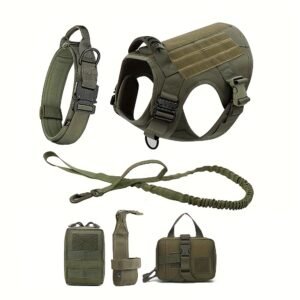
Recognizing when your dog needs to head back can prevent serious health risks. Once you’ve identified the signs of fatigue or distress, act quickly and calmly. Keep your dog hydrated and monitor their body temperature closely during the return. Use a hands-free leash to support their movement without adding stress. The
- Watch for labored breathing or sudden lagging behind
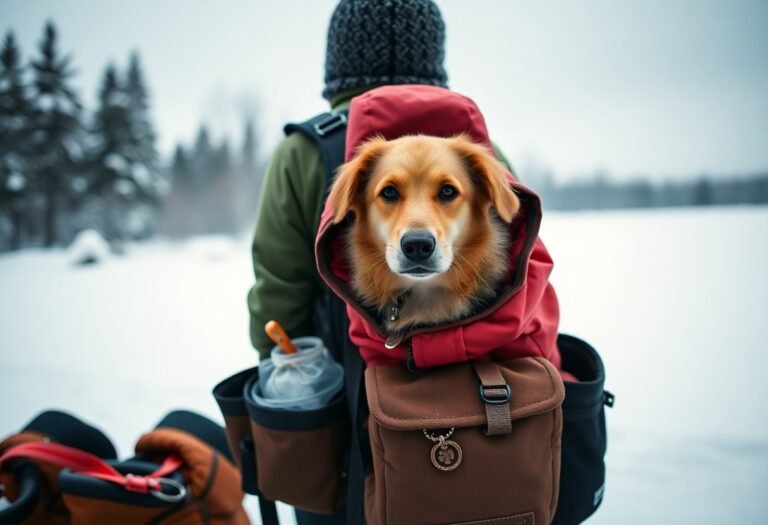
- Carry a lightweight dog backpack for emergency support
- Stick to shaded, gradual descent paths when possible
- Pause every 10-15 minutes for hydration checks
Cooling techniques for immediate temperature regulation
Lowering your dog’s body heat fast is important if they’re overheating. Douse their paws, belly, and ears with cool (not cold) water to encourage rapid cooling. Use a damp towel or cooling bandana if available. Avoid ice-it can cause shock. The
| Method | Effectiveness |
|---|---|
| Wet paws and groin | High – targets major blood vessels |
| Cooling vest | Moderate – best for prevention |
Safe extraction methods and post-hike recovery care
Support your dog’s weight evenly if they can’t walk-never lift by the limbs. Use a dog stretcher or emergency sling to avoid injury. Once home, let them rest on a soft surface and offer small sips of water. Check for swollen paws or limping and consult a vet if symptoms persist. The
Proper extraction prevents further strain on overstressed muscles or joints. Carry a compact emergency kit with gauze, a muzzle, and a foldable carrier. After the hike, monitor your dog for delayed signs of exhaustion like lethargy or vomiting. Early intervention ensures a full recovery. The
To wrap up
From above, it’s clear your dog communicates constantly, and knowing when to turn around starts with paying attention. Signs like slowing pace, refusing to move, or turning their head toward home are direct messages. You see these behaviors not as stubbornness but as intentional signals. Your dog trusts you to respond. Ignoring them leads to stress; honoring them builds mutual respect. Watch closely, act promptly, and you’ll strengthen your bond with every walk.
FAQ
Q: How can I tell if my dog is signaling it’s time to turn around during a walk?
A: Dogs often show clear physical and behavioral cues when they’ve had enough. Slowing their pace significantly, sitting down without prompting, or turning their body away from the direction you’re heading are common signs. Some dogs may also look back at you with a soft, pleading expression or make quiet vocalizations like whining or sighing. These behaviors suggest they’re physically tired, mentally overwhelmed, or simply done with the outing.
Q: My dog stops frequently during walks-does that always mean it’s time to go back?
A: Not every pause means it’s time to turn around. Dogs stop to sniff, observe their surroundings, or react to stimuli like other animals or sounds. The key is to watch for repeated or prolonged stops, especially if your dog avoids moving forward when encouraged. If they lie down, avoid eye contact, or start panting heavily without physical exertion, these are stronger indicators they’re ready to head home.
Q: Can anxiety cause my dog to want to turn back before the walk is over?
A: Yes, anxiety can make a dog eager to return home. If your dog suddenly refuses to move, tucks their tail, lowers their body, or tries to pull toward home, they might feel unsafe. Loud noises, unfamiliar dogs, crowded areas, or past negative experiences in certain locations can trigger this response. Pay attention to where the behavior happens-repeated reluctance in the same spot often points to a specific stressor.