This guide reveals what you’re not being told about off-leash dog walks. While freedom and exercise are clear benefits, unseen dangers like traffic, wildlife encounters, and sudden aggression from other dogs pose serious threats. You assume control when you let your dog roam free-but with that comes life-or-death responsibility.
Key Takeaways:
- Dogs off-leash in unsecured areas face higher risks of injury from traffic, wildlife encounters, or ingesting toxic substances.
- Even well-trained dogs can react unpredictably to sudden stimuli, leading to dangerous situations for people, other animals, or the dog itself.
- Local laws and park regulations often restrict off-leash activity for public safety-ignoring these rules can result in fines or loss of access to shared outdoor spaces.
Identifying the Primary Types of Off-Leash Hazards
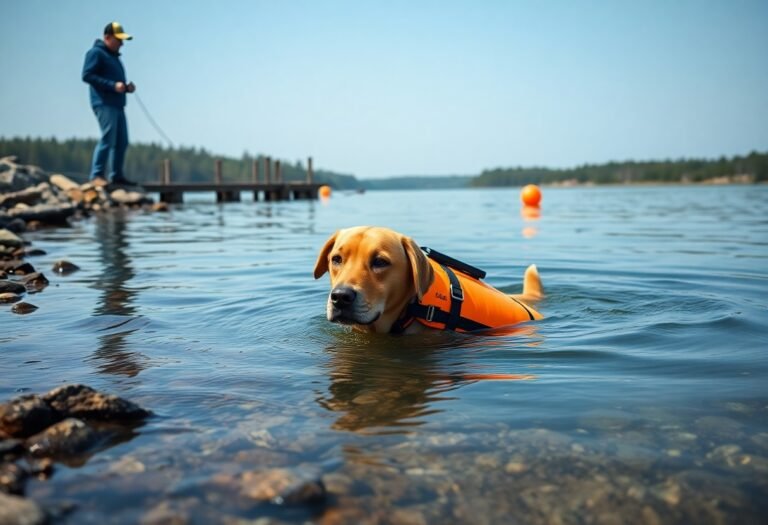
- You face environmental dangers like steep cliffs, fast-moving water, and extreme temperatures when letting your dog roam free.
- Wildlife encounters can turn deadly-coyotes, snakes, and large predators may see your pet as prey or a threat.
- Unpredictable social dynamics with other dogs can escalate into fights, even if all animals seem friendly at first.
- Hidden toxins such as pesticides, antifreeze, or poisonous plants are often undetectable to your dog.
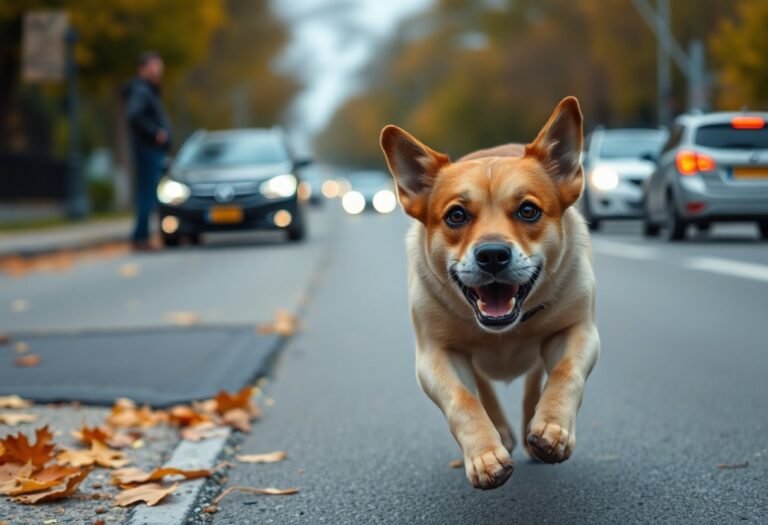
- Traffic risks increase dramatically in areas where off-leash zones border roads or trails used by vehicles.
Knowing what threats exist helps you make safer choices every time you unclip the leash.
| Hazard Category | Common Examples |
| Environmental and Terrain Dangers | Cliffs, icy patches, flash floods, dense brush |
| Wildlife Encounters and Predatory Risks | Coyotes, rattlesnakes, mountain lions, feral hogs |
| Social Dynamics with Other Domesticated Animals | Dog-dog aggression, territorial behavior, resource guarding |
| Exposure to Toxins and Contaminants | Rodenticides, blue-green algae, toxic mushrooms |
| Human-Related Hazards | Trespassing, traffic, illegal traps, hostile individuals |
Environmental and Terrain Dangers
Uneven ground, loose rocks, or sudden drop-offs can cause serious injury when your dog sprints without restraint. Steep inclines and slippery surfaces increase the chance of falls, especially in wet or icy conditions. You can’t always see the risk until it’s too late.
Heat exhaustion is a silent threat on open trails during summer months-dogs push themselves beyond safe limits when chasing scents. Knowing the terrain ahead and checking weather conditions reduces avoidable harm.
Wildlife Encounters and Predatory Risks
A squirrel chase can quickly become life-threatening if your dog corners a rattlesnake or provokes a nesting animal. Predators like coyotes are more active near dawn and dusk, precisely when many owners walk their dogs off-leash.
Your dog’s size doesn’t guarantee safety-coyotes hunt in packs and have attacked pets in suburban areas. These encounters are not rare and often happen in places you assume are safe.
Wild animals don’t follow human rules of engagement. A curious sniff near a burrow might trigger a defensive strike from a snake or a territorial attack from a fox. Even non-predatory wildlife can inflict serious wounds when frightened. Your dog’s instinct to chase overrides caution, placing them directly in harm’s way when off-leash.
Social Dynamics with Other Domesticated Animals
Not every dog welcomes uninvited interaction, even if yours is friendly. Unpredictable reactions from leashed or off-leash dogs can spark conflict in seconds. Body language misreads are common and often lead to bites or fights.
You can’t control how others manage their pets, and some dogs have hidden aggression or fear-based triggers. Keeping your dog close prevents unwanted confrontations in shared spaces.
Off-leash parks and trails often create tension between dogs with different social styles. A dog that plays too rough may be seen as threatening, even if it means no harm. These misunderstandings escalate quickly without immediate intervention, putting all animals at risk.
Critical Factors in Assessing Off-Leash Readiness
Your dog’s ability to handle off-leash freedom depends on several behavioral, physical, and instinctual factors. Before allowing unsupervised roaming, evaluate these core elements to prevent dangerous situations. A well-trained dog may still act unpredictably if key traits are overlooked. The Pros & Cons of Off Leash Dogs explores common misconceptions. Recognizing your dog’s true readiness protects both them and the public.
- Assess obedience reliability in distracting environments
- Consider prey drive intensity based on breed lineage
- Evaluate emotional resilience under sudden stimuli
- Monitor physical endurance during extended activity
- Confirm consistent recall response across multiple settings
Breed Instincts and Prey Drive Considerations
Some breeds carry deep-rooted instincts that override training when triggered. Sighthounds may bolt after small animals, while herding dogs might chase moving objects or people. These impulses aren’t defiance-they’re hardwired survival behaviors. Knowing your dog’s genetic background helps predict off-leash risks.
You can’t train away biology. Even well-behaved dogs may succumb to split-second decisions driven by instinct. Recognizing
Temperament and Emotional Stability
A dog’s emotional makeup determines how they respond to surprises in uncontrolled settings. Confident, calm dogs adapt better than those prone to fear or overexcitement. Reactivity to noises, strangers, or other animals signals potential off-leash danger.
Stability isn’t just about obedience-it’s about self-control when startled. Dogs with high arousal levels often ignore commands in stimulating environments.
Emotional maturity develops over time and varies by individual. A dog that listens at home may become unpredictable in open spaces with unpredictable stimuli. Consistent exposure to controlled challenges builds resilience. Recognizing
Physical Health and Stamina Requirements
Not every dog can safely sustain off-leash activity, regardless of training. Joint issues, heart conditions, or low stamina increase injury risk during high-speed chases. Young, energetic dogs may push beyond safe limits without realizing fatigue.
Overexertion leads to heatstroke, soreness, or long-term damage, especially in brachycephalic or older breeds.
Regular vet checkups and breed-specific activity guidelines help determine physical readiness. Pushing a dog beyond their capacity undermines both safety and enjoyment. Recognizing
Step-by-Step Training for Reliable Recall
Off Leash Training: Building Reliability requires structure, consistency, and patience. Below is a clear breakdown of key phases to ensure your dog responds every time.
| Phase | Action Steps |
| Foundation Building | Practice recall in a fenced yard using high-value treats and a consistent cue. |
| Distraction Introduction | Gradually add mild distractions like toys or sounds while reinforcing the recall cue. |
| Emergency Stop | Teach a distinct stop command using a hand signal and immediate reward for compliance. |
Establishing a Foundation in Controlled Environments
You begin by securing a quiet, enclosed space like a fenced yard or empty room. This setting removes unpredictable elements so your dog can focus solely on learning the recall cue. Use a consistent word like “come” paired with a treat or toy reward each time they respond. Repetition builds association-your dog learns that responding leads to something positive and immediate.
Graduated Distraction Training and Proofing
Dogs face real-world temptations like squirrels, other dogs, or food on the ground. Start introducing mild distractions while practicing recall, then slowly increase difficulty only when your dog succeeds consistently. Proofing means testing the behavior in varied locations-parks, sidewalks, trails-so your dog obeys regardless of surroundings. Success here means your dog chooses you over highly tempting triggers.
Proofing isn’t complete until your dog responds in chaotic environments. Practice near busy paths or during dog gatherings, always rewarding correct responses. This phase ensures reliability when it matters most-when your dog is one sprint away from danger.
Implementing Emergency Stop Commands
A sudden hazard-oncoming traffic, an aggressive dog-requires an instant response. Train a stop command like “whoa” with a hand signal, using immediate rewards when your dog freezes. Practice this after a recall, turning it into a safety net when normal cues might fail. This command can be the difference between a close call and a life-threatening incident.
Emergency stops must be automatic. Practice in low-risk settings first, then layer in movement and distractions. When properly trained, this cue becomes your last line of defense during off-leash moments gone wrong.
Strategic Tips for Managing Unrestricted Movement
- Always keep your dog within visual range to respond quickly to unexpected triggers.
- Use consistent recall commands reinforced with positive outcomes.
- Carry high-value rewards during off-leash walks to encourage reliable returns.
- Choose open areas with minimal distractions when building off-leash confidence.
- Assume that
Constant Vigilance and Scanning the Horizon
Distractions appear in seconds-a squirrel darts, a cyclist passes, another dog approaches. Your dog’s attention can shift faster than you can react. Stay alert and scan the environment continuously, watching for potential triggers before they escalate. Prevention begins with awareness, not reaction. Assume that
Communication Cues and Non-Verbal Signaling
Body posture, hand signals, and eye contact often speak louder than words to your dog. A crouched stance can invite return, while a raised palm may signal pause. These non-verbal cues build a silent language that works even at a distance. Consistency strengthens understanding and reduces confusion in high-distraction settings. Assume that
Non-verbal communication becomes your most reliable tool when verbal commands might be ignored. Dogs read movement and energy closely, so your calm, deliberate gestures guide their behavior more effectively than shouting. Practice these signals in low-distraction areas first, then expand to busier environments. Clear signals prevent dangerous misunderstandings during off-leash exploration. Assume that
Weighing the Pros and Cons of Off-Leash Freedom
| Pros | Cons |
| Enhanced physical exercise and stamina | Risk of dog running into traffic |
| Improved mental stimulation and reduced anxiety | Potential for aggressive encounters with other dogs |
| Stronger bond between you and your dog | Legal fines for violating leash laws |
| Opportunities for natural behaviors like chasing and sniffing | Dog may harass wildlife or livestock |
| Greater socialization in controlled environments | Loss of control in unpredictable situations |
| Boosted confidence and independence | Damage to public spaces or private property |
| Reduced boredom-related destructive habits | Difficulty recalling dog in high-distraction areas |
| Opportunities for off-leash training reinforcement | Increased risk of dog getting lost or stolen |
| Freedom supports natural canine instincts | Public fear or complaints from non-dog owners |
| Encourages healthy, active lifestyle for both of you | Severe injury or death to your dog or others |
Physical and Psychological Benefits for the Canine
You give your dog a chance to move freely, stretch muscles, and burn energy when you allow off-leash time in safe areas. This kind of freedom supports cardiovascular health and helps maintain a healthy weight. Just as important, your dog gains mental relief from constant restraint, reducing signs of stress and compulsive behaviors.
Unleashed exploration lets your dog engage their senses fully-sniffing, tracking, and investigating their surroundings. These activities stimulate brain function and promote emotional balance. When done responsibly, off-leash time can lead to a happier, better-behaved companion at home.
Legal Liabilities and Ethical Responsibilities
A dog off-leash can trigger legal trouble fast, especially if they bite someone, damage property, or cause an accident. You are legally responsible for your dog’s actions, and fines or lawsuits can follow even a single incident. Many parks and neighborhoods have strict leash laws for public safety.
Ignoring these rules doesn’t just risk penalties-it shows disregard for others’ comfort and safety. Some people fear dogs, and not every animal is friendly. Your choice to go off-leash affects more than just your pet.
When your dog runs loose and causes harm, the consequences extend beyond a citation. Courts often assign full liability to the owner, regardless of intent. In some jurisdictions, repeated violations can lead to breed-specific bans or mandatory training. Worst of all, a preventable tragedy-like your dog being hit by a car or attacking a child-can end in permanent legal action or euthanasia. Your freedom to let go of the leash must always be weighed against the potential for irreversible outcomes.
Emergency Preparedness and Recovery Protocols
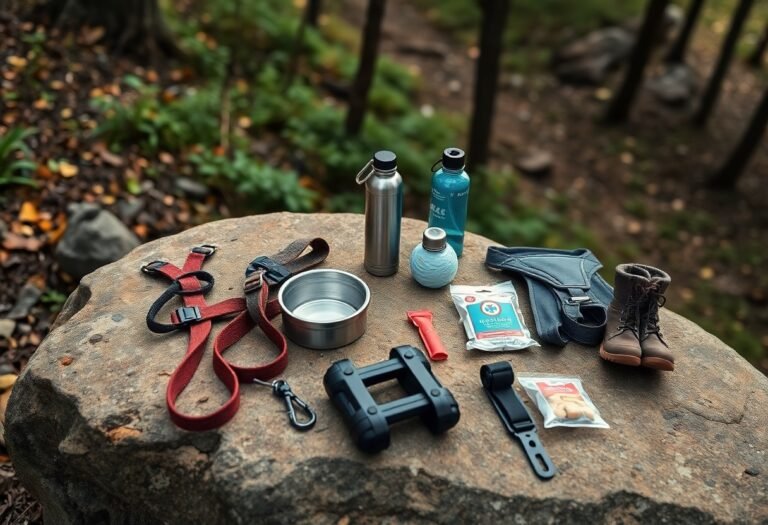
Every off-leash trail outing demands a plan for the unexpected. You must carry a lightweight emergency kit tailored to your dog’s needs and the terrain you’re covering. Knowing how to respond quickly can mean the difference between a minor incident and a life-threatening situation. Always inform someone of your route and expected return time-this simple step increases your odds of a swift recovery if things go wrong.
Essential First Aid for Trail Injuries
Assess your dog immediately if they yelp, limp, or show signs of distress. Pack a compact first aid kit with gauze, antiseptic wipes, tweezers, and a cold pack. Bleeding, embedded thorns, or paw pad tears are common trail injuries you must treat on-site. Never ignore swelling or limping-these can signal serious joint or ligament damage requiring prompt vet care.
Tracking Technology and Identification Standards
Equip your dog with a GPS-enabled collar or tag before heading off-leash. These devices provide real-time location updates, drastically improving recovery odds if your dog wanders. Pair this with a physical ID tag listing your phone number-technology fails, but engraved metal doesn’t. Dogs wearing GPS trackers are found 70% faster than those without.
Modern tracking collars now offer geofencing alerts and long battery life, some lasting over a week on a single charge. Choose models with durable, waterproof builds suited for rugged trails. Even the most well-trained dog can chase wildlife or get spooked-your best safeguard is a reliable signal. A working GPS tracker turns a potential disaster into a recoverable moment.
To wrap up
The real risk behind off-leash adventures lies in the split-second decisions you make at the trailhead. You assume your dog is well-trained, other hikers are understanding, and wildlife will stay hidden-but nature doesn’t follow rules. A moment of freedom can lead to chased animals, unexpected bites, or a lost pet. Your choices directly impact safety, not just for your dog, but for everyone sharing the space. Responsible off-leash time means knowing when and where it’s truly appropriate.
FAQ
Q: What dangers do off-leash dogs face in natural environments?
A: Off-leash dogs can encounter wildlife such as snakes, coyotes, or porcupines, leading to injury or poisoning. They may also wander into unsafe terrain like cliffs, fast-moving water, or dense brush where they can get lost or hurt. Without a leash, a dog has no physical boundary to keep it close, increasing the chance of accidents far from help.
Q: Can off-leash play impact local wildlife and ecosystems?
A: Yes. Dogs running freely can disturb nesting birds, trample sensitive vegetation, or chase small animals, disrupting natural behaviors and breeding cycles. Even playful chasing stresses wildlife, sometimes causing animals to abandon habitats. In protected areas, this kind of disruption can weaken entire populations over time.
Q: Are there legal consequences for letting a dog off-leash in restricted areas?
A: Many parks and trails have leash laws for safety and conservation. Breaking these rules can result in fines or being asked to leave the area. If an off-leash dog bites someone or harms wildlife, the owner could face legal liability, including lawsuits or animal control intervention. Rules exist to protect people, pets, and nature-not just to impose limits.