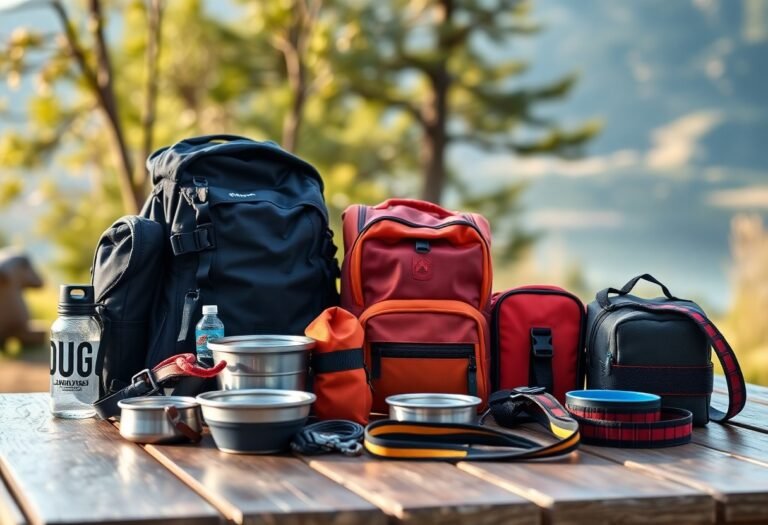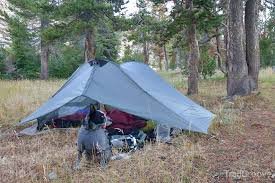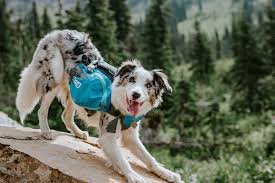
Essentials like water, a collapsible bowl, and a well-fitted harness are non-negotiable for safe hikes. Without them, your dog risks dehydration or injury. Carrying waste bags and a first-aid kit shows responsibility and preparedness. The right gear turns a risky trail into a positive, shared adventure for both of you.
Key Takeaways:
- Dogs need proper hydration just like humans-always carry a lightweight, portable water bowl and enough water for your dog, especially on longer trails where natural water sources may be unsafe or unavailable.
- A well-stocked dog first aid kit, including items like gauze, antiseptic wipes, and tweezers, can handle common trail mishaps such as cuts, thorn punctures, or insect stings.
- Leashes, waste bags, and identification tags are non-negotiable-keeping your dog leashed ensures safety around wildlife and other hikers, while cleaning up after your pet respects shared outdoor spaces.
Collapsible Water Bowl
A collapsible water bowl ensures your dog stays hydrated on the trail without weighing down your pack. Lightweight and compact, it pops open when needed and folds flat when not in use, making it one of the most practical items you can carry for your dog’s comfort and safety during hikes.
Lightweight and portable
This bowl weighs almost nothing and fits easily in your pocket or side pack. When folded, it takes up less space than a granola bar, yet expands to hold enough water for your dog to drink comfortably. Its portability means you’ll never skip bringing water just because of bulk.
Easy to clean
Most collapsible bowls are made from food-grade, non-toxic materials that resist bacteria and odors. A quick rinse with clean water is often enough, and many models are top-rack dishwasher safe for deeper cleaning at home. This simplicity keeps your dog safe from harmful residue buildup.
Cleaning your bowl after each hike prevents biofilm and mold, which can make your dog sick. Look for models with smooth interiors-no seams or crevices where dirt hides. If you’re refilling from natural sources, always wash the bowl thoroughly when you return. A dirty bowl can lead to gastrointestinal issues, so hygiene isn’t optional-it’s part of responsible hiking.

Fresh Drinking Water
Prevents dangerous dehydration
Your dog can’t tell you when they’re thirsty, but dehydration sets in fast during hikes. Carrying fresh water ensures your dog stays hydrated, especially in heat or at elevation. Even mild dehydration can lead to fatigue, vomiting, or heatstroke-conditions that turn a fun outing into an emergency.
Avoids contaminated natural sources
Streams and lakes may look clean, but they often harbor harmful pathogens. Giardia and leptospirosis are common in stagnant or flowing water and can sicken your dog quickly. Letting your dog drink from these sources risks serious illness.
Natural water sources might seem like a convenient option, but they’re often breeding grounds for dangerous microorganisms. Giardia causes severe diarrhea and weight loss, while leptospirosis is a bacterial infection that can lead to liver or kidney failure. These illnesses are preventable-simply bring enough clean water in a collapsible bowl or hydration bladder. Your dog’s health depends on your preparation, not chance.
High-Energy Dog Treats
Provides necessary stamina
Your dog burns a lot of energy on the trail, especially on steep or long hikes. High-energy treats packed with protein and healthy fats help maintain stamina and prevent fatigue. These snacks deliver quick, sustained fuel so your dog can keep pace with you, even on challenging terrain.
Rewards good trail behavior
Offering treats when your dog obeys commands or stays calm around distractions reinforces positive behavior on the trail. This immediate feedback helps your dog understand what’s expected, making hikes safer and more enjoyable for everyone.
When your dog sits on command when encountering another hiker or remains focused despite wildlife movement, a treat strengthens that decision. This consistency builds reliable trail manners over time. Never miss a chance to reward calm, attentive behavior-it can prevent dangerous situations like chasing animals or approaching strangers. Choose compact, fast-dispense treats so you’re always ready to respond in the moment.
Canine First Aid Kit
Every dog owner should carry a canine first aid kit on hikes. You never know when your dog might step on something sharp or develop a sudden cut. Being prepared means you can respond quickly and safely in the field, reducing pain and preventing complications. A well-stocked kit gives you peace of mind and keeps your dog safe when help isn’t nearby.
Treats minor paw injuries
Paw injuries are common on trails, especially on rocky or hot terrain. Your kit should allow you to clean and protect small cuts or abrasions immediately. Untreated paw wounds can lead to infection or lameness, so addressing them early is important for your dog’s comfort and mobility.
Includes antiseptic and bandages
Your kit must contain antiseptic wipes or solution and non-stick bandages. These help disinfect wounds and keep them covered during recovery. Using improper materials can worsen injuries or delay healing, so always pack vet-approved supplies tailored for dogs.
Antiseptic stops harmful bacteria from entering open wounds, which is especially important in outdoor environments where dirt and debris are unavoidable. Bandages protect the injury from further irritation and absorb any discharge. A single infected cut can escalate into a serious health issue, so having the right tools on hand ensures you’re not caught unprepared when your dog needs you most.
Waste Disposal Bags
Keeps trails clean
You leave no mess behind when you carry waste disposal bags. Picking up after your dog keeps the trail pleasant for others and prevents contamination of natural areas. Always stash a few bags in your pack-it’s simple respect for nature and fellow hikers.
Follows Leave No Trace
You follow a core principle of responsible outdoor ethics by packing out your dog’s waste. Dog waste doesn’t break down quickly in most environments and can introduce harmful bacteria to ecosystems. Carry it out, just like you would your own.
Leaving dog waste behind pollutes soil and water sources, especially on popular trails where natural decomposition can’t keep up. Failing to remove waste violates Leave No Trace principles and can lead to trail access restrictions for pets. For more guidance, check out Hiking or Backpacking with Your Dog from REI’s expert advice section. Responsible disposal protects wildlife, water, and future hiking experiences.
Updated Identification Tags
Contains current phone number
Your dog’s tag must include your active phone number. If your dog gets lost during a hike, a passerby can call you immediately. Outdated numbers create dangerous delays. Even one wrong digit can keep you from being reunited with your dog. Keep this detail current-your contact is their fastest way home.
Includes microchip information
Your dog’s tag should reference their microchip. If the tag is lost, the chip is their permanent ID. Shelters and vets scan for chips, so ensure your registration is active. An unregistered chip offers no protection. This small step can mean the difference between a quick return and a permanent loss.
Microchips are implanted under your dog’s skin and carry a unique ID linked to your contact details. Unlike collars, chips don’t fall off or break. But a chip only works if your information is up to date in the registry. After hiking in remote areas, double-check your registration. A lost dog without a working chip may never find their way back to you. This simple backup system offers powerful peace of mind.
Protective Dog Boots
Gear for Hiking with a Dog should always include protective boots-your dog’s paws face real risks on trails, and these boots offer important defense against extreme temperatures and sharp terrain.
Shields paws from heat
Your dog’s paws can burn quickly on hot pavement or sunbaked rock. Protective boots create a heat-resistant barrier, allowing safe travel even during midday hikes when surfaces exceed safe temperatures.
Prevents cuts from rocks
Sharp stones and jagged terrain can slice tender paw pads. Boots with durable, puncture-resistant soles reduce the risk of painful injuries that could end your hike early.
Rocks on trails aren’t just uncomfortable-they can cause deep lacerations, especially on rough granite or volcanic terrain. Without protection, your dog may pick up splinters from broken stone or suffer abrasions that become infected. High-quality dog boots use reinforced materials to deflect sharp edges and maintain grip, keeping your dog stable and injury-free on technical paths.
Tick and Insect Protection
Repels dangerous parasites
Ticks, fleas, and mosquitoes can transmit life-threatening diseases like Lyme disease and ehrlichiosis. Using a proven insect repellent specifically formulated for dogs helps block these parasites before they latch on. You’re not just preventing bites-you’re protecting your dog’s long-term health with every application.
Safe for canine skin
Not all repellents are made for dogs-some contain chemicals that can cause skin irritation or toxicity. Choose products labeled safe for canine use, with vet-approved ingredients like permethrin (in proper concentrations) or natural alternatives such as cedar oil. Your dog’s skin is sensitive; always avoid human bug sprays, which can be harmful.
Dog skin differs significantly from human skin in pH and thickness, making it more vulnerable to harsh chemicals. Products containing DEET or picaridin, common in human repellents, can lead to drooling, vomiting, or even neurological issues in dogs if absorbed. Opt for topical treatments, collars, or sprays designed specifically for canines, and always follow dosage guidelines based on your dog’s weight and coat type. A safe product ensures protection without putting your pet at risk.
Emergency Rescue Harness
Carries injured dogs safely
An emergency rescue harness lets you carry your dog without causing further injury. Its secure straps support your dog’s body evenly, reducing strain on limbs and joints. You can transport your pet over rough terrain with confidence, knowing they’re stable and protected during the journey to safety.
Crucial for remote areas
If your dog collapses far from help, you may be their only way out. Trails without cell service or nearby aid mean delays in professional rescue. A rescue harness gives you the means to act immediately, turning you into your dog’s best chance for survival when minutes matter most.
When hiking in remote areas, unexpected injuries like sprains, snakebites, or heat exhaustion can leave your dog unable to walk. Helicopter evacuations or park rangers may take hours-or never arrive. With a rescue harness, you can carry your dog up to several miles depending on their size and your stamina. Failure to act quickly can turn a minor injury into a life-threatening situation. The harness transforms your backpack or body into a mobile stretcher, letting you maintain control and speed while minimizing pain for your dog. This simple tool could be the difference between a safe return and a tragic outcome.
Conclusion
So you’re prepared when hitting the trail with your dog. Carrying these 10 imperatives ensures safety, comfort, and enjoyment for both of you. From water and a bowl to a leash, waste bags, and a basic first aid kit, your pack should support your dog’s needs. Plan ahead, stay aware, and keep every hike positive and stress-free.
FAQ
Q: What should I pack for my dog’s hydration needs during a hike?
A: Bring a lightweight, collapsible water bowl and enough fresh water for your dog to drink throughout the hike. Dogs lose hydration faster than humans, especially when active in warm weather. A general rule is to carry one ounce of water per pound of your dog’s body weight. Refill opportunities may be limited on trails, and natural water sources like streams can contain bacteria or parasites. Letting your dog drink untreated water increases the risk of illness. Offer water breaks every 30 to 45 minutes, especially on longer or more strenuous hikes.
Q: Do I really need a dog-specific first aid kit?
A: Yes. A dog-focused first aid kit helps treat common trail injuries like cuts, paw pad scrapes, or insect bites. Include items such as gauze pads, adhesive tape, tweezers, antiseptic wipes, and a digital thermometer. Dogs often step on sharp rocks or thorns, and their paws are sensitive to hot surfaces. A small blister or cut can become infected quickly if not cleaned. Also, pack a leash-safe way to muzzle your dog in case they’re in pain and might snap during treatment. Being prepared lets you respond quickly and safely in an emergency.
Q: Why is a well-fitted harness better than a collar for hiking?
A: A hiking harness offers better control and reduces strain on your dog’s neck, especially on uneven terrain or when they pull. Collars can put pressure on the trachea, which is risky during long hikes or if your dog lunges suddenly. A secure harness with a sturdy D-ring allows you to attach a leash safely and gives you more stability on steep or slippery trails. Look for one made with breathable, quick-drying material and reflective stitching for visibility in low light. Make sure it fits snugly but allows room for two fingers between the harness and your dog’s body.