Summer means more outdoor adventures with your dog, but heatstroke can develop quickly during intense activity. Always provide fresh water and avoid walks when pavement temperatures exceed 125°F. Signs of overheating include heavy panting and lethargy-act fast if you see them. Choose early morning or evening exercise and never leave your dog in a parked car.
Key Takeaways:
- Dogs can overheat quickly in hot weather, especially during exercise-watch for heavy panting, drooling, or sluggishness as early signs of heat stress.
- Walk your dog during cooler parts of the day, like early morning or late evening, to avoid hot pavement that can burn their paw pads.
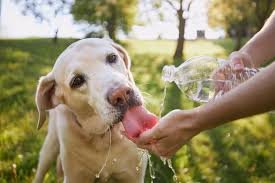
- Always carry water and a portable bowl to keep your dog hydrated during outdoor activities.
- Never leave your dog in a parked car, even with the windows cracked-temperatures can rise to dangerous levels in minutes.
- Some breeds, like bulldogs or huskies, are more sensitive to heat-adjust activity levels based on your dog’s breed, age, and health.
Assessing Environmental Factors for Outdoor Exercise
Heat and humidity can quickly turn a fun outing into a dangerous situation for active dogs. Always check the heat index and humidity levels before heading out. Pavement can reach scorching temperatures, risking burns on your dog’s paws. Consider conditions like shade availability and wind exposure. Any unexpected change in your dog’s behavior may signal overheating-act fast. For more guidance, review the Canine Summer Safety Tips from the American Kennel Club.
Monitoring the Heat Index and Humidity Levels
High humidity reduces your dog’s ability to cool down through panting, increasing the risk of heatstroke. When the heat index rises above 80°F, exercise becomes risky for many breeds. Always use a weather app to check real-time conditions. Your dog’s safety depends on your awareness of these invisible threats.
Timing Your Activities to Avoid Peak Sunlight
Midday sun intensifies heat exposure, making it unsafe for extended outdoor activity. The safest times for exercise are early morning or late evening when temperatures are lower. Surface heat drops significantly during these windows, protecting your dog’s paws and overall health.
Plan walks or runs before 7 a.m. or after 7 p.m. to avoid the sun’s strongest rays. During peak hours, UV intensity and ground temperatures can soar, even on mildly warm days. Shaded paths help, but timing remains your best defense. Preventing heat exhaustion starts with smart scheduling-your dog depends on your judgment to stay safe.
How to Prevent Heatstroke and Heat Exhaustion
Heatstroke and heat exhaustion can strike quickly when dogs are active in hot weather. Your dog relies on you to monitor conditions and adjust activities accordingly. Never leave your pet in a parked car, even with windows cracked-temperatures can rise to lethal levels in minutes. Schedule walks during cooler parts of the day and provide frequent breaks in the shade. Always carry water and a portable bowl to keep your dog hydrated. Watch for signs of fatigue or labored breathing-these are early red flags that your dog is overheating.
Recognizing Early Warning Signs of Heat Distress
Heavy panting, excessive drooling, and a rapid heartbeat are your dog’s first signals of heat distress. You might also notice gum color turning brick red or your dog appearing unsteady on their feet. If your dog lies down and refuses to move during a walk, take it seriously-this could be more than just laziness. Catching these symptoms early can prevent a dangerous escalation.
Immediate First Aid Steps for Overheated Dogs
Move your dog to a shaded or air-conditioned area right away. Offer small amounts of cool (not icy) water and wet their paws, ears, and belly with lukewarm water to gradually lower body temperature. Avoid ice or cold water-it can trigger shock. Immediate cooling is imperative, but so is preventing a sudden temperature drop. Call your vet or nearest emergency clinic while you begin first aid.
Once your dog is in a cooler environment, continue monitoring their breathing and temperature if possible. Use a rectal thermometer-normal is around 101-102.5°F; if it’s above 104°F, they’re in danger. Keep wetting them with lukewarm water and allow them to drink slowly. Do not force water or submerge them fully. Even if they seem to recover, a vet visit is non-negotiable-internal damage can occur without obvious symptoms.
Essential Hydration Tips for High-Energy Breeds
- Always carry fresh water when exercising your dog outdoors
- Offer water breaks every 15-20 minutes during intense activity
- Watch for signs of dehydration like excessive panting or lethargy
- Use shaded areas to cool down and rehydrate safely
- Never rely on natural water sources-they may contain harmful bacteria
Your dog’s energy demands increase fluid loss, especially in heat. Replenishing lost moisture prevents heat exhaustion and supports peak performance. After
Calculating Daily Water Requirements Based on Activity
Active dogs need more than the standard 1 ounce of water per pound of body weight. If your dog engages in sustained exercise, double their intake to match output. After
Utilizing Portable Hydration Tools for On-the-Go Exercise
A lightweight, spill-proof water bottle with a built-in bowl lets you offer hydration anywhere. These tools prevent overheating during hikes or runs. After
Choose a portable system that’s easy to refill and clean, ensuring consistent access to fresh water. Models with insulated chambers keep water cool longer, which encourages drinking. Never skip this gear on long outings-your dog can’t tell you when they’re thirsty, but their health depends on it.
Water Safety Tips for Swimming and Boating
Always supervise your dog near water, even if they’re a strong swimmer. Not all dogs instinctively know how to exit pools or handle currents. Equip your pet with a properly fitted canine life jacket featuring a handle for quick assistance. Avoid letting them drink from lakes or oceans, as ingesting saltwater or contaminated water can lead to illness. After boating, rinse your dog to remove chlorine or salt, and check their ears for trapped moisture to prevent infections.
- Always use a canine life jacket with a handle during boating
- Supervise your dog at all times near pools, lakes, and oceans
- Prevent your dog from drinking contaminated or saltwater
- Rinse your dog after swimming to protect their skin and coat
- Teach your dog the location of pool exits to prevent exhaustion
How to Properly Fit a Canine Life Jacket
Your dog’s life jacket should fit snugly without restricting movement. Fasten all straps and lift them slightly by the handle-no slipping means a secure fit. Adjust the chest and neck closures so you can fit two fingers underneath. A well-fitted jacket ensures maximum buoyancy and safety in emergencies. After purchasing, test it in shallow water.
Managing Risks in Natural Water Sources and Pools
You can’t always see the dangers beneath the surface. Lakes may hide strong currents, submerged debris, or harmful algae. Pools pose drowning risks if your dog can’t find the exit. Install a ramp or stairs for easy escape. Blue-green algae and parasites like giardia are potentially fatal. After swimming, watch for signs of illness such as vomiting or lethargy.
Hidden threats in natural water sources include sudden drop-offs, predatory wildlife, and bacterial contamination. Even clear lakes can harbor toxins from algal blooms that affect your dog’s liver within hours. Chlorinated pools are safer but still require supervision-especially for older or less mobile dogs. Train your dog to use pool exits during calm sessions. Prevention and awareness reduce emergency risks significantly. After any swim, perform a thorough rinse and ear check.
How to Identify and Manage Summer Health Risks
Heat exhaustion, dehydration, and sunburn are common threats when your dog stays active in hot weather. Watch for excessive panting, drooling, or lethargy-these are early signs of heat stress. Immediate shade, cool water, and rest can prevent escalation. Thou must act fast if symptoms worsen, as heatstroke can be fatal.
Factors Influencing Sunburn Risk in Short-Haired Breeds
Coat length, skin pigmentation, and time spent outdoors directly impact sunburn likelihood. Short-haired breeds like Boxers or Dalmatians have less natural protection. Light-colored or thin coats increase UV exposure risk. Thou should apply pet-safe sunscreen on vulnerable areas like ears and nose.
- Short coat offers minimal UV protection
- Light skin burns more easily
- Midday sun increases exposure risk
- Nose and ears are most vulnerable
- Pet-safe sunscreen is crucial for prevention
Preventing Parasite Exposure During Peak Season
Fleas, ticks, and mosquitoes thrive in warm months, putting your dog at higher risk. These pests can transmit Lyme disease, heartworm, and tapeworms. Use veterinarian-approved preventatives monthly. Thou should check your dog’s coat daily after outdoor activity.
Parasite season peaks when temperatures rise above 7°C (45°F), making spring through fall the most dangerous period. Ticks hide in tall grass and wooded areas, while mosquitoes breed near standing water. Even brief yard play can lead to exposure. Consistent use of topical treatments or oral medications drastically reduces infection chances. Always consult your vet to choose the right product for your dog’s lifestyle and region.
Nutritious Cooling Treats for Post-Workout Recovery
Hydrating snacks like frozen watermelon or yogurt cubes help regulate body temperature and replenish lost nutrients. Avoid grapes, chocolate, or xylitol-containing foods. These treats support recovery while satisfying your dog’s urge to chew. Thou should offer them in moderation after exercise.
Recovery doesn’t end with rest-refueling matters. Treats made from plain Greek yogurt, blueberries, or low-sodium broth provide electrolytes and protein without harmful additives. Freeze them in ice cube trays for a longer-lasting chill. These snacks slow down eating, reduce overheating risk, and support muscle repair. Always match portion size to your dog’s weight and activity level.
Final Words
From above, you can see how simple changes in routine protect your active dog during summer. You control their exposure to heat, hydration, and paw safety with smart choices. Walk during cooler hours, carry water, and avoid hot surfaces. Your awareness keeps your dog safe, healthy, and ready for outdoor fun all season long.
FAQ
Q: How can I keep my dog hydrated during summer activities?
A: Carry a portable water bowl and fresh water whenever you take your dog out. Dogs lose fluids quickly when active in heat, especially during walks, hikes, or play. Offer water every 15 to 20 minutes during activity. Avoid letting them drink from puddles or lakes, which can contain bacteria or algae harmful to their health. Start and end outings with a drink to maintain hydration levels.
Q: What are the signs of heatstroke in dogs?
A: Heavy panting, drooling, rapid heartbeat, bright red gums, weakness, vomiting, or collapse indicate heatstroke. Dogs can’t sweat like humans and rely on panting to cool down, which becomes ineffective in extreme heat. If your dog shows these symptoms, move them to a shaded or air-conditioned area immediately, apply cool (not cold) water to their body, and contact a veterinarian right away.
Q: Is it safe to walk my dog on hot pavement?
A: Hot pavement can burn your dog’s paw pads in minutes. Test the surface by placing the back of your hand on the ground for 5 to 7 seconds. If it’s too hot for your hand, it’s too hot for their paws. Walk your dog early in the morning or late in the evening when surfaces are cooler. Consider using protective booties for added safety on longer outings.
Q: Can my dog get sunburned?
A: Yes, dogs with short or light-colored coats, thin fur, or exposed skin (like on the nose or ears) can get sunburned. Prolonged sun exposure increases the risk of skin damage and even skin cancer. Use pet-safe sunscreen on vulnerable areas, avoid midday sun, and provide access to shade during outdoor activities. Never use human sunscreen, as some ingredients can be toxic if licked.
Q: How do I safely include my dog in outdoor summer adventures?
A: Match activities to your dog’s breed, age, and fitness level. Brachycephalic breeds like bulldogs or pugs overheat quickly and need shorter, cooler outings. Bring water, shade, and rest breaks during hikes or beach trips. Never leave your dog in a parked car, even with windows cracked. Watch for fatigue or discomfort and end the activity before problems arise.