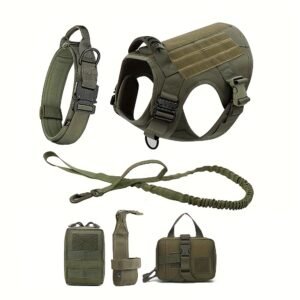
Just because your dog’s harness and leash still look usable doesn’t mean they’re safe. Worn straps, frayed stitching, or damaged buckles can lead to sudden failures during walks, putting your dog at risk of escape or injury. Inspect gear every few months, especially if your dog pulls hard or chews on gear. Replace harnesses and leashes at least once a year, or sooner if signs of wear appear.
Key Takeaways:
- Dog harnesses should be inspected monthly for signs of wear like frayed stitching, cracked padding, or weakened buckles, especially if your dog is active or grows quickly.
- Leashes made of nylon or cotton typically last 1-2 years with regular use, but exposure to moisture, dirt, and frequent tugging can shorten their lifespan.
- Puppies and growing dogs may outgrow their harnesses within 6-8 months, requiring size upgrades to ensure comfort and safety.
- A harness that no longer fits properly can cause chafing, restrict movement, or allow escape, making timely replacement a safety issue.
- After any incident involving sudden force-like a car jerk or fall from height-replace both harness and leash immediately, even if damage isn’t visible.
The Physical Decay of Fiber and Metal
Wear Patterns in Synthetic and Natural Fibers
Every walk your dog takes contributes to the slow breakdown of the leash and harness fibers, whether they’re made from nylon, polyester, or natural materials like cotton or hemp. Friction from pavement, exposure to moisture, and UV rays from sunlight all accelerate fiber degradation, even if it’s not immediately visible. You might notice fuzziness, thinning threads, or discoloration along high-stress areas like the handle or attachment points. These are early signs that the material is losing tensile strength, making it more likely to snap under pressure. Regular inspection helps you catch these changes before they become dangerous.
Metal Hardware Isn’t Immune to Damage
Even the sturdiest metal buckles, D-rings, and clips are subject to corrosion and stress over time. Rust, pitting, or stiffness when opening and closing hardware means it’s no longer functioning as intended. A corroded D-ring can crack during a sudden pull, releasing your dog unexpectedly. Salt from winter roads or beach walks speeds up this deterioration, especially on lower-grade metals. If you hear grinding when adjusting the harness or see flaking on the metal, it’s time to replace that component-or the entire set.
When to Replace Based on Material Lifespan
Most quality dog leashes and harnesses last between 1 to 3 years with regular use, but this varies widely based on material and environment. Heavy chewers, dogs who pull aggressively, or pets walked daily in extreme weather will wear through gear faster. Visible fraying, stretched straps, or weakened stitching are non-negotiable signals it’s time for a new one. For a detailed guide on recognizing these signs early, check out this resource on How Often Should You Replace Your Dog’s Collar or Leash? to stay ahead of potential failures.
Changes in the Dog
Growth and Weight Fluctuations
Your dog’s body changes over time, especially during the first year if they’re a puppy. Rapid growth can quickly render a once-perfect harness too tight or misaligned, increasing the risk of chafing or restricted movement. Even adult dogs can gain or lose weight due to age, diet, or medical conditions, altering how gear fits. A harness that slips or pinches is more than uncomfortable-it can lead to injury during walks.
Behavioral Shifts
Changes in your dog’s behavior often signal the need for updated gear. If your dog used to walk calmly but now lunges or pulls aggressively, the current harness may no longer offer adequate control. A harness designed for a well-manner 40-pound dog won’t safely manage a 60-pound dog with reactivity issues. Upgrading to a more secure, behavior-appropriate design-like a front-clip or no-pull style-can improve safety for both of you.
Health and Mobility Concerns
As your dog ages or develops health issues like arthritis or joint pain, their movement patterns shift. Stiffness or reduced stamina may mean they need a harness with better support and easier on-and-off access. Pressure points from an ill-fitting or outdated harness can worsen discomfort in older or injured dogs. Look for padded, step-in designs or those with handle support to accommodate changing mobility needs.
Habits That Break the Gear
Yanking During Walks
You might not realize how often you tug on the leash when your dog lunges at a squirrel or another dog, but that sudden force adds up. Repeated jerking puts extreme stress on stitching and hardware, especially around the leash’s handle and the harness’s attachment point. Over time, this strain can fray fibers, weaken metal rings, or even snap plastic buckles. If your dog pulls frequently, consider training techniques or a no-pull harness instead of relying on force.
Leaving Gear Outside
Leaving your dog’s harness and leash in the yard or car exposes them to sun, rain, and temperature swings. UV rays degrade nylon and weaken webbing, while moisture encourages mold and mildew that eat away at fabric integrity. Even high-quality materials can break down quickly when left outdoors. Always store your gear indoors after use to extend its life and maintain safety.
Skipping Post-Walk Checks
After a muddy hike or beach trip, dirt and salt cling to straps and buckles. If you skip cleaning and inspection, grit can grind into fibers and corrode metal parts. Salt from winter walks is especially damaging, accelerating rust on clips and D-rings. A quick wipe-down and once-over for loose threads or stiff hardware takes less than a minute but can prevent sudden failures later.
Using One Harness for All Activities
Your everyday walking harness isn’t built for the same demands as a hiking or swimming adventure. Using the wrong gear for high-stress activities leads to premature wear. A harness meant for casual strolls may not handle the drag of water or the friction of trail underbrush. Match the equipment to the activity-your dog’s safety and your gear’s lifespan depend on it.
The Routine of Inspection
Check for Wear and Tear Weekly
Every week, take a few moments to run your hands along the entire length of your dog’s harness and leash. Frayed stitching, cracked buckles, or thinning webbing are early signs that the gear is weakening. These small flaws can quickly escalate into dangerous failures during walks, especially if your dog pulls or startles. Pay close attention to high-stress areas like the D-ring and shoulder straps, where strain accumulates fastest.
Test Hardware Functionality
Your dog’s safety depends on secure, functioning hardware. Snap the buckles open and closed several times to ensure they click firmly into place. If a clasp feels loose, wobbly, or doesn’t lock reliably, it’s a serious hazard-your dog could slip free unexpectedly. Also inspect metal components for rust or corrosion, particularly if you live near saltwater or frequently walk in wet conditions.
Smell and Clean During Inspection
While examining the gear, give it a quick sniff. Persistent odors, even after washing, can indicate bacterial buildup in the fabric. Dirt and moisture trapped in fibers degrade materials over time and may irritate your dog’s skin. Cleaning your harness and leash regularly not only extends their life but also reveals hidden damage you might miss on a dry, dirty surface.
Assess Fit After Growth or Weight Changes
Your dog’s body isn’t static-puppies grow, and adult dogs can gain or lose weight. A harness that once fit snugly may now be too tight or too loose. An ill-fitting harness can cause chafing, restrict movement, or allow escape. Recheck the fit monthly, especially in younger dogs, and adjust or replace as needed to maintain comfort and control.

Timelines for New Equipment
General Replacement Guidelines
You should inspect your dog’s harness and leash every few months for signs of wear, especially if you walk daily or in rugged terrain. Most quality leashes and harnesses last between 1 to 2 years with regular use, but this timeline shifts based on your dog’s size, activity level, and chewing habits. If you notice frayed stitching, cracked buckles, or stretched material, it’s time to replace the gear immediately-waiting could result in a dangerous escape during a walk.
When Usage Accelerates Wear
Dogs that pull aggressively or go on frequent hikes place extra stress on their gear, shortening its lifespan significantly. Nylon leashes and harnesses may degrade faster when exposed to rain, mud, or saltwater, especially along coastal areas. Even high-end gear can fail prematurely under these conditions, so proactive replacement every 8-12 months is wise for active dogs. For more details on wear patterns and safety risks, check this guide on When Should You Replace Your Dog’s Gear?.
Signs It’s Time for an Upgrade
Your dog’s growth or weight change can make a once-perfect harness unsafe or uncomfortable. Puppies often outgrow their gear within 6 months, while senior dogs may need a new style due to joint issues or reduced mobility. A harness that slips, rubs, or restricts movement increases the risk of injury and should be swapped out regardless of age. Don’t wait for visible damage-fit and function matter just as much as wear.
Final Words
With these considerations, you can confidently assess when to replace your dog’s harness and leash. Regular inspections help catch wear early. If you notice fraying, weakened hardware, or reduced comfort, it’s time for a change. For related guidance, check out this 5 Signs It’s Time to Replace Your Dog Collar resource to keep your pup safe.
FAQ
Q: How often should you replace your dog’s harness?
A: Most dog harnesses should be replaced every 1 to 2 years, depending on your dog’s size, activity level, and the harness material. Signs it’s time for a replacement include frayed stitching, worn padding, cracked or stiff straps, and hardware that no longer latches securely. Puppies and dogs that grow quickly may outgrow their harnesses sooner, requiring replacement within a few months. Regular inspection-especially after frequent walks, swimming, or outdoor adventures-helps catch wear early and ensures your dog stays safe and comfortable during outings.
Q: When should you replace your dog’s leash?
A: A dog leash typically needs replacement every 6 months to 2 years, depending on use and material. Nylon and cotton leashes show wear through fraying, thinning, or unraveling, especially near the clasp or where your dog tends to chew. Retractable leashes often fail at the retraction mechanism or tape, and if the lock sticks or the tape tears, it should be replaced immediately. Leashes used daily, in rough terrain, or exposed to water and dirt degrade faster. If you notice any weakness in the leash that could lead to breakage, swap it out right away to prevent accidents.
Q: Can a damaged harness or leash be repaired instead of replaced?
A: Minor issues like loose stitching or a broken D-ring might be repairable by a professional leatherworker or pet gear specialist, but most manufacturers don’t recommend DIY fixes for safety reasons. Harnesses and leashes under stress need to hold strong during sudden movements. Tape, glue, or amateur sewing won’t withstand force and could fail when needed most. If the structural integrity is compromised-such as torn webbing, stretched material, or a weakened clasp-replacement is the safest choice. Your dog’s safety outweighs the cost of a new item.