Hiking with your dog can deepen your bond and boost your adventure, but not every breed handles rough trails or extreme weather safely. You need a dog with stamina, resilience, and a natural love for the outdoors. Some breeds are prone to overheating or joint issues, while others thrive in rugged terrain. Choose wisely for a rewarding, safe experience on every trail.
Key Takeaways:
- Active breeds like Border Collies, Australian Shepherds, and Siberian Huskies thrive on long hikes and rugged terrain due to their high energy and endurance.
- Dogs with thick double coats, such as Bernese Mountain Dogs and Alaskan Malamutes, handle cold climates well but may struggle in extreme heat.
- Proper conditioning and paw protection are imperative for any dog breed to safely enjoy extended outdoor adventures.
Labrador Retriever
High energy and stamina
You’ll find the Labrador Retriever thrives on movement and long outdoor sessions. This breed has exceptional stamina, making it ideal for hikes lasting several hours. Their muscular build and boundless energy allow them to keep pace with active owners without tiring easily.
Loves water and trails
You’ll notice your Lab eagerly jumping into lakes or streams along the trail. They have a natural love for water, thanks to their water-resistant coat and webbed feet. This makes them perfect companions on hot hikes with opportunities to swim.
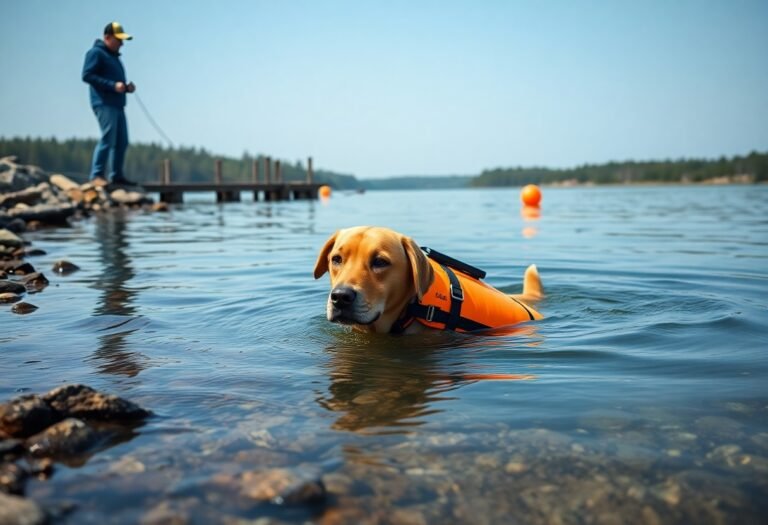
When you’re on the trail, your Lab doesn’t just tolerate water crossings – they seek them out with enthusiasm. Their retrieving instinct kicks in near rivers or ponds, so always keep an eye on them around fast-moving water. Unsupervised access to deep or swift water can be dangerous, even for strong swimmers. Stick to safe entry points and bring a life vest for added protection on risky terrain.
Siberian Husky
Best dog breeds for hiking and outdoors often include the Siberian Husky, a breed built for rugged terrain and extreme weather. You’ll appreciate their energy, intelligence, and unwavering stamina when tackling long trails.
Built for cold climates
Your Siberian Husky thrives in freezing temperatures thanks to its dense double coat and efficient metabolism. This breed is not suited for hot weather, and you must avoid hiking with them in high heat to prevent overheating and heatstroke.
Incredible endurance and speed
Siberian Huskies were bred to run long distances at moderate speeds, making them ideal companions for extended hikes. Their natural pacing and ability to maintain energy over miles set them apart from many other breeds.
You’ll find that Siberian Huskies possess a unique combination of speed and stamina, originally developed to pull sleds across vast Arctic expanses. They can cover 10 to 15 miles a day without tiring, but their high prey drive means you must keep them on a leash around small animals. Their independent nature also demands consistent training.
Border Collie
Highly intelligent and agile
You’ll find the Border Collie’s sharp mind and quick movements unmatched among dog breeds. This dog learns new commands faster than most and thrives on mental challenges. If you’re looking for a companion that stays alert and responsive on every trail twist, this breed delivers with precision and energy.
Excels at rugged terrain
The Border Collie handles steep, uneven ground with surprising ease. Its strong legs and low center of gravity provide stability on loose rocks and slippery slopes, making it a reliable partner in mountainous or forested areas where footing can be unpredictable.
When you take a Border Collie into rugged terrain, you gain a dog that anticipates trail changes before you do. Its natural agility allows it to leap across streams, scramble up scree, and maintain balance on narrow ridges. Watch for overheating in direct sun-this breed’s dense coat can become a liability in hot weather, so plan hikes during cooler parts of the day and carry extra water. With proper pacing, your Border Collie won’t just keep up-it will lead the way with focus and drive.
Australian Shepherd
Energetic and very athletic
You’ll find the Australian Shepherd thrives on movement and challenge. This breed possesses intense stamina and agility, built for rugged terrain and fast-paced trails. Their muscular frame and quick reflexes let them keep up whether you’re climbing steep inclines or crossing rocky streams. If you demand high performance from your hiking companion, this dog delivers.
Great for long treks
You can count on an Australian Shepherd to stay alert and motivated over extended distances. They handle 10+ mile hikes with minimal fatigue, especially in cooler weather. Their natural endurance and focus make them ideal for multi-day backpacking trips where reliability matters.
Long treks expose dogs to risks like overheating, dehydration, and paw injuries-the Australian Shepherd’s thick double coat increases heat sensitivity, so you must monitor them closely on hot days. Plan frequent water breaks and avoid midday sun. On the trail, their intelligence helps them respond quickly to commands, reducing the chance of dangerous detours. With proper preparation, they become one of the most dependable partners for serious outdoor adventures.
Vizsla
Lightweight and very fast
The Vizsla’s lean, athletic build makes it exceptionally fast and agile on trails. You’ll notice how effortlessly it covers ground, especially over open terrain or rolling hills. Its lightweight frame reduces fatigue, allowing sustained bursts of speed without overheating-ideal for long-distance hikes where pace matters.
Loyal trail companion
You’ll find the Vizsla forms an intense bond with you, staying close and attentive on every hike. This breed thrives on constant companionship and will follow your lead without hesitation, making it one of the most reliable partners on remote or challenging trails.
The Vizsla’s loyalty goes beyond simple attachment-it actively seeks your presence and can become anxious or destructive if left alone too long. On the trail, this devotion translates into high responsiveness and focus, but you must prepare for its need for continuous engagement. Without enough physical and mental stimulation, even a well-trained Vizsla may lose focus or act out. Keep it involved, and it will stay focused, eager, and deeply connected to every step you take together.
Rhodesian Ridgeback
When you’re planning long hikes in hot climates, the Rhodesian Ridgeback stands out as a powerful and resilient companion. Bred in Africa to hunt in extreme heat, this breed thrives outdoors and keeps pace with active owners. According to These 8 Dog Breeds Make the Best Hiking Companions, Ridgebacks combine endurance with independence, making them ideal for rugged terrain and extended treks.
Strong and heat tolerant
You’ll appreciate the Rhodesian Ridgeback’s muscular build and short coat, designed for stamina in high temperatures. This breed handles hot, dry climates better than most, maintaining energy over long distances without overheating. Its natural resistance to heat exhaustion makes it a reliable partner on summer hikes.
Protective outdoor partner
The Rhodesian Ridgeback stays alert and watchful on the trail, instinctively guarding its family. Its strong prey drive and territorial nature mean it can react quickly to wildlife or strangers. While loyal and calm with its owner, you must keep it leashed in unfamiliar areas to prevent unpredictable behavior.
This protective instinct stems from its original role as a lion tracker in Africa-it was bred to hold dangerous game at bay until hunters arrived. Today, that same courage surfaces during outdoor adventures, making the Ridgeback a fearless companion in remote areas. However, this deep guarding instinct requires consistent training and socialization from an early age to ensure safe, controlled responses on the trail.
German Shorthaired Pointer
Versatile all-terrain athlete
The German Shorthaired Pointer thrives on rugged trails, rocky inclines, and muddy riverbanks with equal ease. Its muscular build, webbed feet, and weather-resistant coat make it a reliable companion across diverse landscapes. You’ll appreciate its stamina and agility when covering long distances in challenging conditions.
Exceptional hunting instincts
Your German Shorthaired Pointer comes hardwired to locate, point, and retrieve game. Its natural prey drive and sharp nose mean it will lock onto scents and stay focused, even in distracting outdoor environments. This instinct enhances its alertness and engagement on hikes.
Hunting instincts in this breed are not just a trait-they’re deeply ingrained behavior. While this makes your dog highly responsive and mentally stimulated during outdoor activities, it can also lead to chasing wildlife if off-leash in unsecured areas. Proper training and recall practice are crucial to keep your dog safe and under control around small animals or in open terrain.
Bernese Mountain Dog
Strong alpine hiking partner
The Bernese Mountain Dog was bred in the Swiss Alps to pull carts and traverse rugged terrain, making it a natural at high-altitude trails. Its muscular build and thick double coat handle cold, rocky paths with ease. You’ll appreciate its steady pace and endurance on long climbs, especially in cooler climates where it thrives.
Calm on difficult paths
You’ll find your Bernese remains composed even on narrow or steep trails. Its calm temperament helps it stay focused, even when the path gets challenging. This breed’s steady nerves make it reliable in unpredictable outdoor conditions.
When the trail turns rocky or exposed, your Bernese Mountain Dog’s temperament becomes a major asset. It doesn’t panic easily and maintains a deliberate, careful gait over unstable ground. However, be cautious in hot weather-its dense coat makes it highly prone to overheating, so hikes must be timed for cooler parts of the day. Always carry water and watch for signs of heat stress, as heat exhaustion can develop rapidly and become life-threatening.
Portuguese Water Dog
Ideal for lakeside hiking
You’ll find the Portuguese Water Dog thrives near water, making lakeside trails a perfect match. Their water-resistant coat and webbed feet allow strong, efficient swimming, so if your hike includes a swim break, they’ll jump in without hesitation. This breed handles wet conditions better than most, staying comfortable and dry faster.
Adventurous and active spirit
The Portuguese Water Dog meets every trail with relentless energy and curiosity. Bred to work alongside fishermen, they crave physical challenges and mental stimulation. If you’re covering long distances or scrambling over rocks, they’ll keep pace without tiring easily.
What sets their adventurous spirit apart is their deep need to be involved in what you’re doing. This isn’t a dog that trails behind-you’ll find them scouting ahead, retrieving sticks from streams, or nudging you forward when you pause too long. Their intelligence means they learn trail routines quickly, but their strong prey drive can lead them to chase wildlife if not kept on leash in unfamiliar areas. Train consistently and they’ll become a reliable, enthusiastic partner in rugged terrain.
Jack Russell Terrier
Small but very hardy
You might be surprised by the Jack Russell Terrier’s resilience despite its compact size. This small dog thrives in rugged terrain and handles variable weather with ease. Bred for fox hunting, it possesses a tough constitution that makes it a reliable companion on long hikes, even in challenging conditions.
Boundless energy for trails
Your Jack Russell will never tire of exploring new paths. Its high energy demands long, active hikes, and it excels in environments that challenge both mind and body. Without sufficient exercise, it can become destructive, so daily trail time is important.
You need to match your Jack Russell’s stamina with consistent, vigorous activity. Left unexercised, its intelligence turns into mischief, and its strong prey drive may lead it to chase wildlife off-leash. Always keep it on a leash or in secure areas-its boldness can put it in danger around larger animals or steep drops. With proper training and outlets for energy, it becomes an enthusiastic, fearless hiking partner who thrives in the wild.
Weimaraner
Fast and very powerful
You’ll notice the Weimaraner’s explosive speed and muscular build the moment you hit the trail. These dogs accelerate quickly and maintain strength over rough terrain. They can outpace many breeds in short bursts, making them excellent companions on steep or challenging paths-but their power demands strong handling and control.
Loves long distance runs
You’ll find the Weimaraner thrives when covering miles on end. Bred for endurance in the field, this dog doesn’t tire easily. They need daily long runs or hikes to stay balanced, and without them, they may become destructive at home. Their stamina makes them ideal for multi-day treks.
When you take a Weimaraner on long runs, you’re tapping into their natural hunting heritage. They maintain a steady pace across varied terrain, from forest trails to open meadows. Dehydration and overheating are real risks on hot days, so always carry water and watch for signs of fatigue. With proper conditioning, they’ll match your pace mile after mile, forming a deeply bonded adventure partner.
Alaskan Malamute
Powerful heavy load puller
You rely on the Alaskan Malamute’s raw strength when hauling gear across rugged trails. Bred to pull heavy sleds over long distances, this breed possesses a muscular build and relentless drive. Its power makes it ideal for carrying substantial loads, but you must condition it gradually to prevent strain.
Thrives in snowy mountains
The Alaskan Malamute excels in freezing, mountainous terrain where other breeds struggle. Its dense double coat provides exceptional insulation against subzero temperatures. You’ll find it energized and focused in snow, not slowed by deep drifts or icy winds.
Snowy environments activate the Malamute’s natural instincts and physical advantages. The breed is prone to overheating in warm climates, making cold regions not just preferable but necessary for its well-being. Its broad paws act like snowshoes, giving traction on slippery surfaces. When hiking at high elevations in winter, you benefit from a dog that remains comfortable and strong where others would falter.
Golden Retriever
Friendly and reliable hiker
You’ll find the Golden Retriever to be a consistently cheerful companion on the trail. Their friendly temperament and strong desire to please make them highly responsive to commands, even in distracting outdoor settings. They stay calm around other hikers and dogs, and their steady energy supports long, enjoyable treks without unnecessary agitation.
Adaptable to most environments
Golden Retrievers handle a range of climates and terrains with ease. Whether you’re hiking through damp forests, dry trails, or snow-dusted paths, their water-resistant double coat and sturdy build keep them comfortable. They adjust well to elevation changes, though you must monitor them closely in extreme heat due to their thick fur and susceptibility to overheating.
Belgian Malinois
Intense focus and drive
You’ll notice the Belgian Malinois locks onto tasks with laser-like concentration. This breed thrives on purpose, whether tracking a scent or following a trail. Its relentless drive means it excels in demanding outdoor conditions, but you must provide structure-without it, that intensity can become unmanageable.
Extreme physical capabilities
The Belgian Malinois possesses explosive speed, agility, and endurance far beyond most breeds. It can cover rugged terrain for hours without tiring, making it ideal for long hikes, mountain trails, or search-and-rescue missions in harsh environments.
What sets the Malinois apart is its combination of power, coordination, and heat tolerance. Its lean, muscular build allows for rapid ascents and sharp turns on narrow paths, while its short coat helps regulate body temperature. But be cautious-this dog pushes itself to the point of exhaustion if not reined in. You must monitor hydration and rest, as its determination can override self-preservation instincts.
Brittany Spaniel
Agile and quick moving
The Brittany Spaniel covers rugged terrain with surprising speed and grace. Built for endurance and agility, this breed adapts easily to steep trails and uneven ground. You’ll appreciate how effortlessly it keeps pace, whether you’re climbing switchbacks or crossing open meadows. Its compact size and strong hindquarters deliver explosive movement without tiring quickly.
Excellent off-leash potential
You can trust a well-trained Brittany to stay close and responsive without a leash. Its natural instinct to quarter back and forth while hunting translates into reliable recall and awareness. Strong focus on the handler and high trainability make it one of the safest breeds to run free in open terrain.
Off-leash reliability comes with a caveat: early and consistent training is non-negotiable. Without firm boundaries, a Brittany may chase scents too far ahead, putting it at risk of encountering wildlife or getting lost. Use positive reinforcement to build a solid recall, and always introduce off-leash hikes in secure areas first. When trained properly, your Brittany becomes a trusted partner who explores freely but checks in frequently, enhancing your adventure without compromising safety.
Dalmatian
Famous for high endurance
You’ll find Dalmatians built for long miles. Bred to run alongside horse-drawn carriages, they possess exceptional stamina and thrive on extended physical activity. Their muscular frame and efficient gait allow them to keep pace over varied terrain, making them reliable companions on demanding trails.
Loves consistent steady movement
A Dalmatian excels when the pace is steady and rhythmic. They prefer continuous motion over short bursts of speed, syncing naturally with a hiker’s stride. This makes them ideal for long-distance treks where endurance matters more than sprinting.
You’ll notice your Dalmatian settles into a smooth, ground-covering trot that matches a consistent hiking pace. Their energy is best channeled through predictable, ongoing movement, not frequent stops or erratic changes in speed. Pushing them too hard in extreme heat can be dangerous due to their short muzzle, so plan hikes during cooler hours and bring ample water. With proper conditioning, they become dependable partners on moderate to long trails.
Doberman Pinscher
Strong and very alert
You’ll find the Doberman Pinscher to be a powerful companion on rugged trails, built with lean muscle and unmatched awareness. Their sharp instincts keep them constantly scanning the environment, making them highly responsive to sudden movements or unfamiliar sounds around you in the wild.
Great for mountain safety
When you’re deep in remote terrain, the Doberman’s presence adds a layer of personal security. Their intense loyalty and rapid reaction to threats mean they’ll stand between you and danger without hesitation. This breed’s keen hearing and night vision enhance their ability to detect predators or intruders in low-visibility conditions. While not built for extreme cold, their agility and speed make them reliable guardians on high-altitude hikes where safety risks increase.
Boxer
Playful and energetic athlete
You’ll find the Boxer thrives on movement and enthusiasm, making every hike feel like a game. This breed bursts with energy and maintains a joyful attitude, keeping pace with your outdoor rhythm. Without enough exercise, Boxers can become restless or destructive, so long trails and open spaces suit them best.
Enjoys varied outdoor terrain
Your Boxer adapts well to different landscapes, from forest trails to rocky hillsides. Their strong legs and agile build handle uneven ground with ease. However, their short snout means they overheat quickly, so avoid strenuous hikes in hot weather.
When exploring varied terrain, your Boxer’s natural curiosity and muscular frame help them tackle dirt paths, stream crossings, and mild inclines confidently. They stay alert and engaged, responding well to your cues. Never push them in temperatures above 75°F (24°C)-their brachycephalic airway makes heat a serious risk. Stick to cooler times of day and bring plenty of water to keep them safe and happy on the trail.
Rough Collie
Intelligent and sure-footed
You’ll appreciate how quickly your Rough Collie learns trail commands and adapts to changing terrain. Their natural agility and sharp mind make them steady on rocky or uneven paths. This breed’s coordination and focus help them move confidently through forested or hilly areas without hesitation.
Reliable forest trail buddy
Your Rough Collie stays close and attentive on wooded trails, making them a dependable companion in areas with low visibility. Their strong herding instinct means they naturally stay near their person, reducing the risk of wandering off. This loyalty enhances safety in remote environments.
When you’re deep in the woods, your Rough Collie’s instinct to stay by your side becomes a major safety advantage. They are less likely to chase wildlife or bolt after sudden movements, which can be dangerous in bear or snake country. Their calm demeanor and responsiveness to voice cues mean you maintain control even off-leash in permitted areas. Their thick coat offers natural protection from brush and cold, but be mindful of overheating on hot days-never push them too hard in high temperatures.
German Shepherd
Confident and very capable
You’ll find the German Shepherd naturally self-assured and mentally sharp, making quick decisions on rugged trails. Their intelligence and focus allow them to adapt to changing terrain and weather, staying calm in unpredictable outdoor situations. This breed thrives when challenged, responding well to your cues with precision and alertness.
Strong hiker and protector
You can count on a German Shepherd to keep pace over long distances, thanks to their powerful build and endurance. They’re not just a hiking companion-they’re a vigilant guardian. Their protective instincts mean they’ll alert you to potential threats, from wildlife to unfamiliar hikers, ensuring your safety on remote paths.
German Shepherds possess a muscular frame and high stamina, built for sustained activity across steep inclines and rough ground. Their double coat offers protection against cold and brush, though you must monitor them in extreme heat due to moderate susceptibility to overheating. With proper training, they walk reliably off-leash and respond instantly to commands, a critical advantage in dangerous situations. Their loyalty and situational awareness make them one of the most dependable breeds when venturing into the wild.
Summing up
On the whole, you want a dog that matches your pace, terrain, and outdoor lifestyle when choosing a hiking companion. Breeds like the Border Collie, Australian Shepherd, and Bernese Mountain Dog stand out for stamina and resilience. You can explore more about The Best Dog Breeds For Hiking to find the ideal match for your next trail adventure.
FAQ
Q: Which dog breeds are best suited for long-distance hiking?
A: Breeds like the Siberian Husky, German Shorthaired Pointer, and Australian Shepherd excel on long hikes. These dogs have high stamina, strong endurance, and a natural love for movement. The Siberian Husky thrives in cold climates and can cover great distances without tiring. German Shorthaired Pointers are athletic and energetic, built for rugged terrain. Australian Shepherds are intelligent and agile, making them reliable companions on extended trails. Proper conditioning and hydration are crucial regardless of breed.
Q: Can small dog breeds handle hiking and outdoor adventures?
A: Yes, some small breeds adapt well to hiking if the trail matches their size and energy level. The Jack Russell Terrier, for example, is compact but full of energy and curiosity, often keeping pace on moderate trails. The Pembroke Welsh Corgi enjoys walks and light hikes, though steep or rocky paths may challenge their short legs. Always monitor small dogs for fatigue or overheating, and consider using a dog backpack for longer treks when terrain becomes too tough on their joints.
Q: What traits should I look for in a dog for mountain or off-trail hiking?
A: Dogs with thick coats, strong builds, and high prey drive often do well in mountainous or off-trail environments. The Bernese Mountain Dog has power and endurance for steep climbs, along with a calm temperament. The Rhodesian Ridgeback handles heat and rough terrain with ease, thanks to its origins in African wilderness. A good sense of direction and trainability also matter-Border Collies, though energetic, can follow complex commands and stay focused in unpredictable settings.
Q: Are there dog breeds that struggle with outdoor adventures?
A: Yes, brachycephalic breeds like Bulldogs, Pugs, and Boston Terriers often face breathing difficulties during physical exertion, especially in hot or high-altitude conditions. Dogs with short legs and heavy bodies, such as Dachshunds or Basset Hounds, may tire quickly on long or steep trails. Breeds with thin coats, like Greyhounds, can struggle in cold weather. Always consider a dog’s physical limits and consult a veterinarian before planning strenuous outdoor trips.
Q: How do I prepare my dog for its first hiking trip?
A: Start with short walks on varied surfaces to build paw strength and endurance. Introduce your dog to a harness and leash if they aren’t used to them. Practice basic commands like “stay,” “come,” and “leave it” in distracting environments. Pack water, a collapsible bowl, and a small first-aid kit for dogs. Begin with trails under three miles and gradually increase distance. Watch for signs of fatigue, such as lagging behind or excessive panting, and adjust the pace accordingly.