This guide shows you exactly how to protect your dog from ticks when outside. Ticks can transmit dangerous diseases like Lyme in minutes, but proven methods-like using effective topical treatments and checking your dog daily-reduce risk significantly. You’ll learn what truly works in real outdoor conditions.
Key Takeaways:
- Daily tick checks after spending time outdoors are one of the most effective ways to prevent tick bites-running fingers over skin and clothing can catch ticks before they attach.
- Wearing permethrin-treated clothing reduces tick exposure significantly; the chemical repels and kills ticks on contact and stays effective through several washes.
- Staying in the center of trails and avoiding tall grass or brush limits contact with ticks, which typically wait on low vegetation to latch onto passing hosts.
Identifying the Threat: Common Tick Types and Environmental Factors
Understanding which tick species are active in your region helps you apply the right outdoor prevention strategies. Not all ticks carry disease, but several common types pose serious health risks to your dog. Your awareness of their habitats, behavior, and peak activity times sharpens your defense.
| Tick Species | Primary Risk |
| Black-legged (Deer) Tick | Lyme disease |
| American Dog Tick | Rocky Mountain spotted fever |
| Lone Star Tick | STARI, ehrlichiosis |
| Brown Dog Tick | Canine ehrlichiosis, anaplasmosis |
- Black-legged ticks thrive in wooded and humid areas
- Lone Star ticks are aggressive and often found in brushy fields
- Brown dog ticks can infest indoor spaces, not just outdoors
- Peak activity occurs in spring and early summer for most species
- Any contact with tall grass or leaf litter increases exposure risk
Distinguishing Between Prevalent Tick Types and Their Disease Risks
Different tick species transmit distinct illnesses, making identification key to early intervention. The black-legged tick is notorious for spreading Lyme disease, while the American dog tick carries Rocky Mountain spotted fever, a potentially fatal condition. Recognizing these threats improves your ability to respond quickly.
| Disease | Symptoms in Dogs |
| Lyme disease | Lameness, fever, joint swelling |
| Ehrlichiosis | Weight loss, bleeding, lethargy |
| Anaplasmosis | Joint pain, vomiting, fever |
| Rickettsiosis | Neurological issues, rash, fever |
- Lyme disease is the most commonly diagnosed tick-borne illness
- Ehrlichiosis may remain hidden for months after a bite
- Anaplasmosis mimics other infections, complicating diagnosis
- Thou must monitor your dog closely after any woodland exposure
Environmental Factors That Influence Tick Density and Activity
Shade, moisture, and ground cover directly impact where ticks gather and how long they survive. These parasites avoid direct sunlight and desiccation, so they cluster in leaf litter, tall grass, and underbrush. Your dog’s risk rises significantly in such zones, especially during warm, humid months.
| Factor | Effect on Ticks |
| High humidity | Increases survival and activity |
| Dense vegetation | Provides shelter and hunting grounds |
| Deer and rodent presence | Supports tick life cycle |
| Spring and fall | Peak questing behavior |
- Wooded trails and overgrown yards harbor more ticks
- Leaf piles create ideal microclimates for nymphs
- Deer paths often mark high-risk corridors
- Morning dew boosts tick movement and attachmentEvaluating Medical Prevention: Pros and Cons of Common Treatments
Choosing the right tick prevention for your dog involves weighing effectiveness, safety, and lifestyle. Prescription and over-the-counter treatments vary widely in how they work and how long they last. Your dog’s age, weight, breed, and health history all influence which option makes the most sense. Below is a comparison of the most widely used medical prevention methods.
Treatment Type Pros and Cons Oral Systemic Medications Fast-acting, often kill ticks within hours; highly effective when dosed correctly; convenient monthly pills Can cause gastrointestinal upset or, rarely, neurological side effects; must be timed precisely with tick season Topical Spot-Ons Provide month-long protection; also control fleas and mites; easy to apply Risk of skin irritation; can transfer to humans or other pets; less effective if dog swims or is bathed frequently Tick Collars Long-lasting (up to 8 months); continuous protection; repels as well as kills May cause skin reactions at neck; not ideal for multi-pet households if chemicals transfer; limited coverage area Injections (Veterinary-Administered) Long duration (6-12 months); eliminates owner error in dosing Less flexibility if side effects occur; not yet widely available in all regions Pros and Cons of Oral Systemic Medications vs. Topical Spot-Ons
Oral medications act quickly, often killing ticks before they can transmit disease. You don’t have to worry about bathing or swimming reducing their effectiveness. However, some dogs experience nausea or lethargy after dosing, and missed doses leave your pet unprotected.
Topical treatments spread across the skin’s oil layer, offering broad coverage. They’re effective against multiple parasites, but greasy residue can linger, and children or other pets may be exposed through contact. If your dog loves water, protection may diminish faster than expected.
Factor Comparison Speed of Action Orals: Within hours; Topicals: 24-48 hours Durability in Water Orals: Unaffected; Topicals: Reduced after swimming Application Ease Orals: Requires handling; Topicals: Simple but messy Safety for Households Orals: Safer for kids and pets; Topicals: Risk of chemical transfer Broad-Spectrum Control Both cover fleas and ticks; some topicals include mite control Assessing the Efficacy and Safety of Tick Collars for Active Dogs
Tick collars release active ingredients that spread across your dog’s skin and fur, offering long-term protection. They’re especially useful for dogs that hike, swim, or spend extended time in wooded areas. Many modern collars are water-resistant and last up to eight months, reducing the chance of missed doses.
Active ingredients like flumethrin and imidacloprid have proven high efficacy against common tick species. However, some dogs develop redness or itching at the collar site. Keep the collar snug but not tight, and monitor for signs of irritation. In multi-pet homes, prevent direct contact between pets to avoid accidental exposure.
Yard Fortification: A Step-by-Step Guide to Outdoor Control
Creating a tick-resistant yard starts with understanding where ticks thrive and how to disrupt their habitat. You can significantly reduce tick populations by modifying your landscape and applying targeted treatments at key times of year. These strategies work together to form a strong defense around your home and outdoor living areas.
Strategy Action Clear leaf litter Rake and remove debris regularly, especially in fall and spring Trim vegetation Keep grass under 3 inches and prune shrubs for airflow Create buffer zones Use wood chips or gravel between lawn and wooded areas Manage wildlife Remove bird feeders and secure compost to avoid attracting rodents Step-by-Step Landscaping Strategies to Eliminate Tick Habitats
Start by removing tall grasses and brush near your home’s foundation-ticks rely on dense, shaded ground cover to survive. You should also thin out trees and shrubs to increase sunlight and reduce moisture, making the environment unfriendly to ticks. These changes not only deter ticks but also improve your yard’s overall health.
Habitat Factor Elimination Method Leaf litter Clear every fall and spring Woodpiles Elevate and relocate away from play areas Overgrown edges Mow and edge monthly during growing season Moisture buildup Improve drainage and avoid overwatering Proper Application of Perimeter Barriers and Seasonal Treatments
Apply tick-killing pesticides only to perimeter zones like fence lines, wood edges, and garden borders-never on open lawns. Use products containing bifenthrin or permethrin in spring and early fall when nymphs and adults are most active. These treatments can deliver up to 90% reduction in tick numbers when applied correctly.
Focus on targeted spraying rather than blanket coverage. This approach protects beneficial insects while still stopping ticks at their entry points. Reapply after heavy rain or every 3-4 weeks during peak tick season for continuous protection. Always follow label instructions to avoid harm to pets or pollinators.
Expert Tips for Maintaining Safety During Hikes and Outings
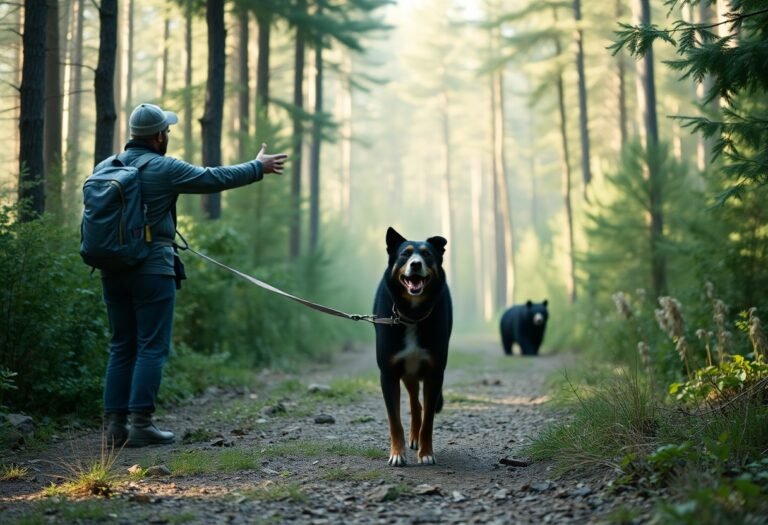
Staying alert in wooded or grassy areas greatly reduces your dog’s chance of picking up ticks. Stick to the center of well-maintained trails and avoid brushing against overgrown vegetation where ticks wait to latch on. Always inspect your dog thoroughly after each outing, paying close attention to ears, paws, and under the tail. Carry a tick removal tool in your pack for emergencies. The peace of mind that comes from proactive habits is worth every effort.
- Walk in the middle of trails to avoid overhanging brush
- Check your dog every few hours during long outings
- Use a tick repellent approved for canine use
- Bring a tick removal tool on every hike
- Avoid areas with high tick populations, especially in warm months
Proactive Tips for Selecting Low-Risk Trails and Exercise Areas
Choosing the right path can dramatically lower your dog’s exposure to ticks. Open, sunny trails with short grass are far safer than shaded, humid forests with dense underbrush. Parks that are regularly mowed and maintained tend to harbor fewer ticks than wild or abandoned areas. Dry, elevated paths are less hospitable to tick habitats than damp, low-lying zones. Knowing where ticks thrive helps you make smarter choices every time you head out.
- Prefer sunny, dry trails over shaded, moist ones
- Select parks with regular mowing and foot traffic
- Avoid walking near leaf litter or tall grass
- Check local tick activity reports before heading out
- Stick to paved or gravel pathways when possible
Utilizing Tick-Repellent Vests and Protective Gear Effectively
Wearing a tick-repellent vest designed for dogs adds a strong layer of defense during outdoor adventures. These vests are treated with permethrin or similar compounds that repel and kill ticks on contact. Ensure the gear covers the torso and back-common attachment sites-and always follow manufacturer instructions for safe use. Pair the vest with a collar repellent for full-body protection. The added safety from properly used gear is a game-changer for active dogs.
Many tick-repellent vests are lightweight and breathable, so they won’t overheat your dog even on long hikes. Look for models with reflective strips for visibility and durable fabric that withstands rough terrain. Re-treatment intervals vary, so mark your calendar to maintain effectiveness. Never use human repellents on your dog-only products specifically labeled for canine use. Knowing how to use protective gear correctly ensures it works when it matters most.
Post-Exposure Protocols: Systematic Inspection and Safe Removal
Time is your ally when it comes to tick-borne disease prevention. After every outdoor adventure, conduct a thorough check of your dog’s body, focusing on common hotspots like ears, under the collar, between toes, and in the armpits. Ticks often crawl for 1-2 hours before biting, so an immediate inspection can stop attachment before it starts.
Comprehensive Body Check Procedures After Outdoor Exposure
Start at your dog’s head and work backward, running your fingers through the fur with deliberate pressure. Even tiny ticks can transmit disease, so pay close attention to thin-skinned areas. Use a well-lit space and consider a magnifying glass if your dog has dense or dark fur.
Proper Tick Removal Techniques to Minimize Pathogen Transmission
Grasp the tick as close to the skin as possible using fine-tipped tweezers. Pull upward with steady, even pressure-never twist or jerk, as this can leave mouthparts embedded or force pathogens into the bloodstream. Dispose of the tick in alcohol or a sealed bag.
Seeing the tick’s head come out intact gives you the best chance at avoiding infection. If mouthparts remain, clean the area with antiseptic and monitor for swelling or discharge. Save the tick in a container for potential testing if your dog later shows symptoms.
Long-Term Health Management and Clinical Monitoring
Sticking to a reliable prevention plan is your best defense against tick-borne threats. The Complete Guide to Flea and Tick Prevention … outlines proven strategies backed by veterinary science. Consistent use of vet-approved products-year-round, not just in warm months-dramatically reduces infection risks. Skipping even one dose can leave your dog exposed during peak tick activity.
Establishing a Consistent Year-Round Prevention Schedule
Every month counts when protecting your dog from ticks. Setting a fixed day for treatment helps avoid missed doses, especially during colder months when ticks remain active. Year-round protection prevents unexpected infestations and lowers the chance of disease transmission. Use phone alerts or calendar reminders to stay on track-your dog’s health depends on consistency, not guesswork.
Recognizing Early Symptoms of Common Tick-Borne Illnesses
Lethargy, sudden lameness, and unexplained fever are early red flags of diseases like Lyme or ehrlichiosis. Dogs may show mild signs at first, making close observation necessary after outdoor exposure. Loss of appetite or swollen joints should prompt an immediate vet visit. Catching symptoms early improves recovery chances significantly.
Some tick-borne illnesses mimic other conditions, delaying diagnosis without careful monitoring. Your dog might seem “off” for a day or two, then improve-only to relapse later. Watch for subtle changes in behavior or energy. Routine blood work during annual checkups can detect infections before symptoms worsen, ensuring timely intervention.
Final Words
You now know which outdoor strategies truly reduce tick exposure for your dog. Consistent use of proven repellents, yard maintenance, and post-walk checks make a measurable difference. For those exploring gentler options, natural flea and tick prevention for dogs that actually works can be found through community-tested methods-many shared by fellow pet owners here. Your dog’s safety depends on daily attention, not miracle solutions.
Ticks thrive in specific outdoor environments, but you can disrupt their access. Keep grass short, use natural barriers like wood chips, and consider plant-based sprays with proven efficacy. Your actions outside directly influence your dog’s health inside. Prevention isn’t about one product-it’s about consistent habits that add up to real protection.
FAQ
Q: What outdoor methods actually work to prevent ticks on dogs?
A: Effective outdoor tick prevention for dogs includes using veterinarian-approved topical treatments, oral medications, and tick-repellent collars. Products containing ingredients like fluralaner, afoxolaner, or permethrin have proven results in repelling and killing ticks. Keeping your yard maintained by mowing the lawn regularly, removing leaf litter, and trimming shrubs reduces tick habitats. Creating a barrier of wood chips or gravel between wooded areas and your lawn can also limit tick migration into play areas. Treating outdoor spaces with tick-killing pesticides, such as those with bifenthrin, may help in high-risk areas when applied according to label instructions.
Q: Can natural or DIY remedies protect my dog from ticks outside?
A: Most natural remedies like vital oils, garlic sprays, or apple cider vinegar lack scientific support and can even be harmful to dogs. Some vital oils, including tea tree or eucalyptus, are toxic when absorbed through the skin or ingested. While keeping grass short and using diatomaceous earth in garden borders may reduce tick presence slightly, these methods do not protect the dog directly. Relying solely on DIY solutions increases the risk of tick bites, which can transmit diseases like Lyme, anaplasmosis, or Rocky Mountain spotted fever. For reliable protection, use vet-recommended products instead of unproven home mixtures.
Q: How often should I check my dog for ticks after outdoor activity?
A: Check your dog for ticks immediately after every outdoor trip, especially if they’ve been in tall grass, woods, or brush. Ticks need time to attach-usually 24 to 48 hours-so early detection and removal greatly reduce disease risk. Focus on warm, hidden areas like the ears, under the collar, between toes, and around the groin. A thorough hands-on inspection takes just a few minutes and is one of the most effective ways to prevent illness. Even dogs on preventive medication should be checked regularly, as no method is 100% effective at blocking every tick.