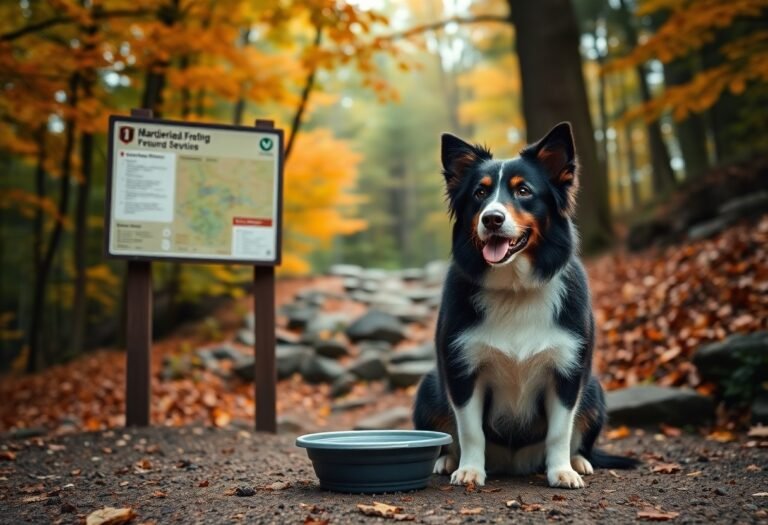
Over time, the way you choose to exercise your dog can significantly impact their health. Whether you prefer a scenic trail or a familiar sidewalk, each option has unique benefits that can enhance your dog’s physical and mental well-being. In this guide, you’ll discover how these walking environments can influence your dog’s health, helping you make informed decisions for their daily exercise routine.
Key Takeaways:
- Trails often provide a more stimulating environment for dogs, featuring varied terrain and natural scents that can enhance mental health and engagement.
- Sidewalks offer a safer, more predictable walking path, which may be suitable for less active dogs or those prone to anxiety.
- Both walking environments contribute to physical fitness; the choice may depend on the dog’s personality, fitness level, and health considerations.
Types of Walks
Understanding the various types of walks can help you choose the best option for your dog. Each type provides unique benefits and challenges that contribute to your dog’s overall well-being.
- Trail walking offers natural terrain and varied scenery.
- Sidewalks provide a safe, predictable environment.
- Trails promote physical exercise with elevation changes.
- Sidewalks help dogs adapt to urban stimuli.
- Both options can enhance bonding between you and your dog.
Perceiving the differences will guide your decision on the healthiest choice for your dog’s exercise routine.
| Type of Walk | Benefits |
| Trail | Natural exercise, varied terrain |
| Sidewalk | City adaptation, socialization |
| Off-leash trail | Freedom and exploration |
| Leashed sidewalk | Control and safety |
Exploring Trails
Trekking on trails provides dogs with an enriching experience filled with diverse scents, sounds, and sights. The natural environment stimulates their instincts, promoting not just physical fitness but also mental engagement. Trails often have uneven surfaces and elevation changes, requiring more effort, which helps build your dog’s strength and stamina. Frequent exposure to nature can also lessen stress and anxiety in dogs, fostering overall emotional balance.
Walking on Sidewalks
Walking on sidewalks can be a great way for your dog to engage with the hustle and bustle of urban life. These paths are generally flat, ensuring that dogs of all ages and abilities can enjoy regular exercise. The consistent environment helps them learn to manage distractions-such as vehicles and passersby-while remaining focused on their walk. Regular sidewalk walks can also foster socialization, giving your dog opportunities to meet other dogs and people.
Further enhancing their social skills, walking on sidewalks allows your dog to encounter a variety of sights and sounds, helping to develop their confidence. It establishes routine and structure in your dog’s life, which can be especially important for younger or anxious dogs. Urban walks serve as a controlled, safe setting while still providing crucial social engagement. Ensuring that your dog is well-mannered on a leash promotes safety for both of you and enhances the enjoyment of your walks.
Pros and Cons
| Pros | Cons |
|---|---|
| Varied terrain stimulates your dog’s mind. | Trails can be less accessible for some owners. |
| Natural scents enhance mental stimulation. | Potential for getting lost in unfamiliar areas. |
| Lower chance of dog encounters compared to sidewalks. | Trail conditions can vary, affecting safety. |
| More opportunities for off-leash play. | Limited amenities such as water fountains or restrooms. |
| Better for exercising your dog’s muscles. | Wildlife encounters may pose risks. |
| Encourages longer walks. | May require more preparation and gear. |
| Exposure to cleaner air and nature. | Less structured walking path. |
| Socialization with other nature lovers. | Inconsistent dog-friendly policies on trails. |
Benefits of Trail Walking
Walking on trails benefits your dog by providing a unique sensory experience with diverse sights, sounds, and smells. This stimulating environment helps sharpen their instincts and curiosity, which can reduce anxiety and boredom. The varying terrain also allows for a full-body workout, strengthening muscles and promoting overall fitness. Trails often enable longer, unstructured walks, fostering a deeper bond and encouraging exploration together.
Benefits of Sidewalk Walking
Sidewalk walking offers a safe and accessible environment for you and your dog. It provides consistent footing, reducing the risk of injury from uneven terrain. Easy access to amenities, like water stations and waste disposal, makes it convenient for quick outings. High visibility in urban areas also allows for more interaction with other dogs and people, aiding socialization. Furthermore, sidewalks can be easier to navigate, especially with older or less active dogs.
Additional advantages of sidewalk walking include exposure to a variety of social situations, which can boost your dog’s confidence. Regular encounters with other pets and people can enhance their social skills, making them more well-adjusted companions. Sidewalks are often well-maintained and allow for predictable routes, ensuring that you and your dog can enjoy a leisurely stroll without surprises.
Tips for a Healthier Walk
Enhancing your dog’s walking experience can lead to improved physical and mental health. Consider these tips:
- Vary your walking routes to stimulate your dog’s senses.
- Incorporate play breaks to keep your dog engaged.
- Use a comfortable harness for better control.
- Always carry water to keep your dog hydrated.
- Pay attention to weather conditions to ensure safety.
After implementing these strategies, you will likely notice increased enthusiasm during walks.
Preparing Your Dog
Before heading out, ensure your dog is physically and mentally prepared. Assess your dog’s energy level, age, and health status to choose the appropriate duration and intensity of the walk. A quick game of fetch can help burn off excess energy, making the walk more enjoyable and manageable for both of you. Always check your dog’s collar and leash for any wear or damage, ensuring a safe outing.
Choosing the Right Path
Selecting the best walking path for your dog involves considering their preferences and needs. Trails typically offer varied terrain and stimulating environments, while sidewalks provide consistent and predictable surfaces. Balance their health benefits by occasionally switching up your routine to include both options. This way, you can cater to your dog’s individual tendencies, whether they thrive on exploring nature or prefer a structured walk through the neighborhood.
Opting for a trail introduces your dog to different smells, sights, and sounds, which can contribute positively to their mental stimulation. Additionally, varied terrains can enhance their physical agility and strength. In contrast, sidewalks are often better for controlled exercise and familiarizing your dog with urban surroundings. Always ensure that the path you choose aligns with your dog’s energy needs and safety considerations. By mixing your routes, you can create a balanced exercise regimen that promotes overall well-being.
Step-by-Step Guide to Walking
| Step | Description |
|---|---|
| 1. Planning Your Route | Choose a path that best suits your dog’s energy level and physical ability, considering factors like terrain and distance. |
| 2. Ensuring Dog Safety | Keep your dog secure with a well-fitted harness and leash, and avoid busy roads or areas with potential hazards. |
Planning Your Route
Mapping out your walk is imperative for keeping your dog engaged and safe. Select routes that have a mix of terrains to provide variety, such as trails for exploration or sidewalks for socialization. Consider the time of day and weather, opting for shaded areas during hot days and avoiding crowded spots that might overwhelm your dog.
Ensuring Dog Safety
Prioritizing safety during your walks will give you peace of mind. Using a sturdy leash and a well-fitted harness can prevent any escapes, especially in crowded areas. Equip yourself with waste bags for clean-up and always be aware of your environment, avoiding any potential dangers like aggressive dogs or heavy traffic.
When ensuring your dog’s safety, it’s beneficial to carry a first aid kit during walks. Familiarize yourself with any local wildlife that could pose risks, such as snakes or stray animals. Additionally, monitor your dog for signs of exhaustion or distress. The right precautions can enhance the joy of walking without compromising your dog’s well-being.
Factors to Consider
When deciding between trails and sidewalks for your dog’s walks, several factors play a vital role in determining which is healthier for your furry friend.
- Type of terrain and its impact on joints
- Traffic and safety concerns
- Accessibility to drinking water
- Dog’s energy levels and activity needs
After weighing these elements, you can make an informed choice that enhances your dog’s well-being.
Weather Conditions
Extreme temperatures can affect your dog’s comfort and health during walks. Hot surfaces, like asphalt, can cause burns on paw pads, while cold, icy conditions can lead to slips and falls. Always check the weather before stepping out, and adjust your route to prioritize your dog’s safety and comfort.
Dog’s Age and Health
Your dog’s age and overall health heavily influence which walking surface is more beneficial. Puppies have boundless energy but need softer terrains to protect their developing joints, while senior dogs may require gentler surfaces to avoid strain.
For senior dogs or those with mobility issues, sidewalks might provide a more stable walking experience, reducing the risk of injuries on uneven trails. Conversely, younger, more active dogs thrive on varied terrain, which provides stimulation and exercise. Always consult with your veterinarian to determine the best walking surfaces tailored to your dog’s specific health needs.
To wrap up
Conclusively, choosing between a trail and a sidewalk for your walks can significantly influence your dog’s health and happiness. Trails often provide a more stimulating environment that encourages exploration and exercise, while sidewalks offer safety and accessibility in urban settings. Prioritize what suits your lifestyle and your dog’s needs, ensuring both physical activity and mental engagement. Ultimately, the best choice is one that keeps you and your furry friend active and enjoying time together.
FAQ
Q: What are the health benefits of walking a dog on a trail instead of a sidewalk?
A: Trails typically offer uneven terrain, diverse scenery, and natural elements. This variety provides mental stimulation for dogs, encourages exploration, and allows for more engaging physical exercise. Natural surfaces can also promote joint health compared to the hard, flat surfaces of sidewalks.
Q: Are there safety concerns when walking dogs on trails compared to sidewalks?
A: Yes, trails may pose hazards such as uneven ground, wildlife, or natural obstacles. Sidewalks usually provide a safer, more predictable environment, especially in urban areas with traffic. It’s imperative to assess the specific trail’s safety features before choosing the location for walking.
Q: How does the duration and intensity of walks differ between trails and sidewalks?
A: Walking on trails often allows for longer durations due to the natural environment, where dogs can be more active and explore. Sidewalks can limit movement with fewer distractions, possibly leading to shorter sessions. The level of exertion can also vary, as trails may require climbing or navigating uneven surfaces which can increase physical challenges.