Intelligence in outdoor safety means knowing the most dangerous risks your dog faces outside-and how to prevent them. You need to recognize toxic plants, extreme temperatures, and escape hazards before they harm your pet. This checklist gives you actionable, life-saving steps to keep your dog safe, healthy, and happy on every outdoor adventure.
Key Takeaways:
- Dogs rely heavily on scent, sight, and sound to interpret outdoor environments-understanding these senses helps owners anticipate reactions to wildlife, traffic, or other dogs.
- A consistent pre-walk checklist, including leash security, ID tags, water access, and weather-appropriate gear, prevents common outdoor hazards.
- Reading a dog’s body language in real time-like stiffening, sniffing patterns, or ear position-gives immediate insight into stress, curiosity, or potential danger.
The Primal Instincts of the Trail
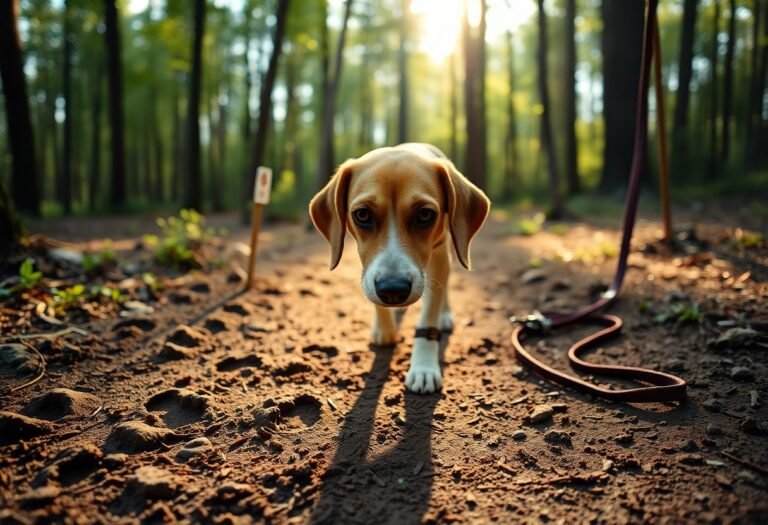
Your dog’s nose is a powerful tool, finely tuned by evolution to detect and follow scents across vast distances. Scent tracking taps into deep-rooted instincts that connect your dog to the natural world. When your dog pauses to sniff a tree or bush, they’re reading a story left behind by other animals. This behavior isn’t just curiosity-it’s a form of communication. To support this instinct, allow time for sniffing during walks and consider introducing simple tracking games. For more guidance, check out How To Take Care of Dogs: A Pet Parent Checklist.
Scent Tracking and Navigation
Tracking scents helps your dog mentally engage and stay balanced. Each sniff provides information about direction, time, and species, sharpening their natural navigation skills. Letting your dog lead occasionally on safe trails strengthens their confidence and cognitive function.
Some breeds are especially gifted in scent work, like Bloodhounds and Beagles. Training them to follow specific trails can prevent boredom and destructive behaviors at home. Always supervise to avoid exposure to dangerous wildlife or toxic substances.
Environmental Awareness
Dogs notice subtle shifts in wind, terrain, and animal movement long before humans do. Their heightened awareness keeps them alert to potential threats, from approaching predators to unstable ground. Respecting these instincts means trusting your dog’s reactions during hikes.
You’ll benefit from your dog’s natural radar when exploring unfamiliar areas. A sudden hesitation or change in posture may signal something unseen-like a snake or steep drop. These moments highlight a profound, life-saving connection between instinct and survival.
Environmental awareness goes beyond safety-it deepens your bond. When you observe how your dog interprets rustling leaves or distant calls, you begin to see the outdoors through their senses. This shared understanding transforms walks into immersive experiences, where your dog isn’t just along for the ride, but an active participant in the journey.
Essential Survival Commands
Recalling Through the Wild
When your dog vanishes into tall grass or darts toward a distant trail, a reliable recall could mean the difference between safety and danger. Practice the command in increasingly distracting environments so it holds strong even in the wildest settings. Use a consistent cue word and reward every successful return to reinforce trust and urgency.
Never punish your dog after a delayed recall-this discourages future responses. Instead, celebrate their return with calm praise and a treat, making coming back to you a positive experience every time.
The Emergency Stop
If your dog spots a snake, charges toward traffic, or approaches a strange animal, the emergency stop command can prevent disaster. Train it by using a clear, firm word like “Stop!” or “Whoa!” paired with an immediate halt in movement during walks. Reinforce it with treats only after full compliance.
This command builds a mental pause between impulse and action-giving you control in critical moments. Practice regularly so it becomes automatic, even at a distance.
Consistency turns the emergency stop into an instinctive response. Use it sparingly-only in real emergencies-so your dog recognizes its importance and doesn’t tune it out over time.
Physical Prowess and Terrain Mastery
Navigating Rough Topography
Your dog’s ability to handle uneven ground directly impacts their safety on hikes and trail adventures. Steep inclines, loose gravel, and rocky paths can lead to slips or joint strain, especially in older dogs or breeds prone to hip issues. Watch for hesitation or limping-these are clear signs your dog is struggling.
Confidence on rugged terrain grows with gradual exposure and proper paw conditioning. Regular walks on varied surfaces build strength and coordination, preparing your dog for more challenging outings. Always carry your dog if the terrain exceeds their physical limits.
Water Safety in the Current
Fast-moving water poses a serious threat, even to strong swimmers. Currents can quickly overwhelm a dog, sweeping them downstream before you can react. Avoid letting your dog enter rivers or tidal zones during high flow or strong tides.
Swimming in calm lakes or slow-moving streams is generally safe with supervision. A life jacket with a handle gives you control and boosts buoyancy in unexpected situations. Always assess water conditions before allowing entry.
Understanding water dynamics protects both you and your dog. Even dogs with excellent stamina can fall victim to hidden undercurrents or sudden drop-offs. Never assume calm-looking water is safe-test depth and flow first, and train your dog to respond to recall commands near any body of water.
Social Dynamics of the Pack
Your dog doesn’t just respond to your commands-they’re constantly reading the social cues around them, especially when other animals are near. How they react to unfamiliar creatures or canines often reflects their confidence, training, and your leadership. Understanding these dynamics helps you prevent dangerous situations and reinforce calm, controlled behavior. Be sure to check out this Dog Essentials List: Items Every Dog Owner Should Own! to ensure you’re prepared for any outdoor encounter.
Encountering Wild Creatures
Wild animals can appear without warning, and your dog’s instinct may push them to chase or confront. This impulse can lead to injury or exposure to disease, especially with raccoons, snakes, or coyotes. Stay alert in wooded or rural areas, and keep your dog on a leash where required. Training recall commands strengthens your control when surprises happen.
Interaction with Strange Hounds
Meeting unfamiliar dogs on walks tests your pet’s social skills and your ability to manage tension. Not every dog welcomes interaction, and misreading body language can spark conflict. Allow sniffing only when both dogs appear relaxed and remain calm yourself-your energy influences theirs. Always carry waste bags and step aside politely if the other owner declines engagement.
Reading another dog’s posture-whether it’s loose and playful or stiff and guarded-gives you early warning of potential issues. If your dog lunges or barks, don’t scold harshly; instead, redirect their focus with a treat or command. Consistent exposure to well-behaved dogs in safe environments builds positive associations and improves off-leash composure over time.
Weather Wisdom and Shelter
Every outing with your dog demands awareness of the day’s weather and access to proper shelter. Extreme temperatures-hot or cold-can quickly become dangerous, especially if your dog isn’t acclimated or has underlying health issues. You’re responsible for reading the signs your dog gives, from heavy panting to shivering, and acting before conditions escalate.
Heat Endurance and Hydration
Heat can overwhelm your dog faster than you think, especially on paved surfaces that radiate intense warmth. Always carry fresh water and a portable bowl, offering sips frequently even if your dog doesn’t appear thirsty. Brachycephalic breeds like Bulldogs or Pugs are especially at risk-watch for labored breathing or sluggishness, which signal overheating.
Seeking Cover in the Cold
Cold weather demands just as much vigilance as heat. Smaller dogs, seniors, or those with thin coats lose body heat rapidly. Provide insulated shelter or a dog-safe coat when temperatures drop, and avoid prolonged exposure to snow or wind. Look for signs like trembling, lifting paws, or reluctance to move-these mean it’s time to head indoors.
Shelter isn’t just about warmth-it’s about dryness and wind protection. A simple pop-up dog tent or access to a covered porch can make a critical difference during unexpected chills. Never leave your dog unattended in cold conditions, even if they seem tolerant at first. Hypothermia can set in silently, especially on damp ground or in wet fur.
The Gear of the Northland
Harnesses for the Working Dog
Your dog’s strength shines when pulling, but only if the harness fits correctly and distributes weight across the chest and shoulders. Look for models designed specifically for sled or skijoring use, with durable webbing and reinforced stitching. A poorly fitted harness can lead to chafing, reduced performance, or even long-term joint damage. Choose one with adjustable straps so you can fine-tune the fit as your dog’s coat changes with the seasons.
Protection for the Paws
Ice, salt, and sharp snow crust can tear into your dog’s pads, making booties a non-negotiable in extreme conditions. High-quality options offer grip, insulation, and resistance to abrasion while staying securely fastened during movement. Introduce them early and let your dog wear them around the house to prevent rejection during critical moments in the field.
Some dogs resist booties at first, but consistent training builds acceptance. Check each paw frequently on long treks-a single loose strap can lead to injury. Consider wax-based balms between uses to maintain pad flexibility and prevent cracking in subzero temperatures.
Final Words
With this in mind, you now have the tools to ensure your dog thrives during every outdoor adventure. The Outdoor Intelligence Checklist equips you with practical steps to keep your pet safe, engaged, and healthy in natural environments. You know what gear to pack, how to read your dog’s signals, and when to adjust plans based on weather or terrain. For more insights and community experiences, check out this New dog checklist : r/dogs discussion to support your journey.

FAQ
Q: What is the Outdoor Intelligence Checklist for dogs, and why should every owner use it?
A: The Outdoor Intelligence Checklist is a practical guide that helps dog owners assess and prepare for outdoor activities with their pets. It includes items like checking weather conditions, ensuring proper hydration, confirming leash and collar safety, and evaluating terrain difficulty. Every owner should use it because it reduces risks such as overheating, injury, or getting lost. The checklist promotes awareness and responsibility, making walks, hikes, and park visits safer and more enjoyable for both dog and owner.
Q: How does the checklist help prevent common outdoor hazards for dogs?
A: The checklist prompts owners to scan for dangers before and during outdoor time. It reminds them to look for toxic plants, sharp objects, wildlife signs, or extreme ground temperatures that could burn paw pads. It also includes a section on monitoring a dog’s behavior for signs of fatigue or distress. By going through each point, owners catch potential problems early. For example, spotting foaming at the mouth after sniffing unknown substances can lead to faster vet intervention. The structured approach turns casual outings into safer, more observant experiences.
Q: Can the checklist be used for all dog breeds and sizes?
A: Yes, the checklist is designed to work for all breeds and sizes, from small terriers to large working dogs. Each section allows customization based on a dog’s age, fitness level, and specific needs. A senior pug may need shorter walks in cooler weather, while a young husky might require longer hikes with extra water stops. The checklist doesn’t enforce rigid rules-it guides owners to make informed choices. Whether in a city park or on a mountain trail, the framework adapts to keep every dog safe and comfortable outdoors.