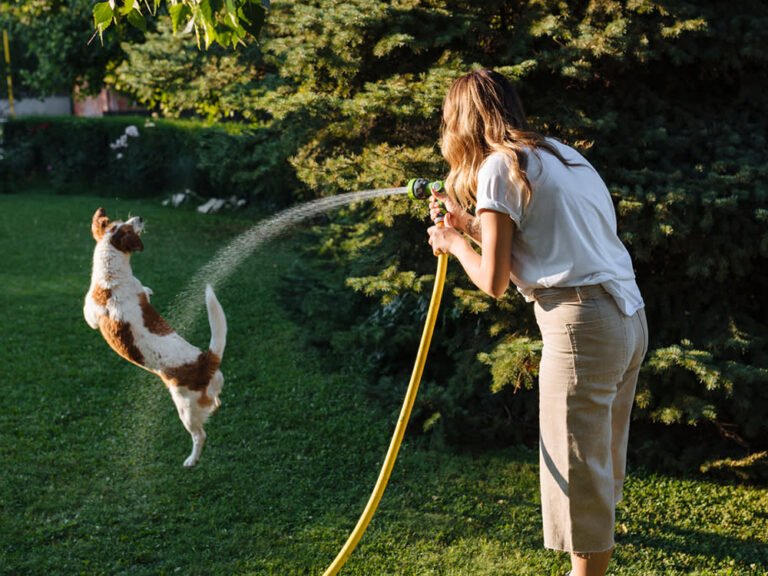
Just like you, your dog needs mental stimulation and excitement in their life. If you notice signs of boredom, it’s necessary to recognize the impact it has on their behavior and well-being. In this guide, you’ll learn five clear indicators that your furry friend might be feeling uninspired, along with simple and affordable solutions to engage them. Let’s ensure your pup stays happy and entertained without breaking the bank!
Key Takeaways:
- Recognize behaviors like excessive barking, destructive chewing, or seeking constant attention as signs of boredom.
- Engage your dog with simple activities like puzzle toys, DIY games, or new walking routes to stimulate their mind and body.
- Routine changes, such as varying exercise times or introducing training sessions, can effectively alleviate boredom without additional costs.
Understanding Boredom in Dogs
Dogs can experience boredom just like humans, leading to frustrating behaviors and diminished well-being. When their needs for physical activity and mental engagement aren’t met, they may resort to unwanted habits. Recognizing the signs and types of boredom is the first step in providing the enrichment your dog craves.
Types of Boredom
There are various types of boredom your dog may experience, which can manifest in different ways. By understanding these types, you can tailor activities to keep your furry friend engaged.
| Type of Boredom | Description |
| Physical | Lack of exercise leading to restlessness. |
| Mental | Insufficient mental stimulation causing frustration. |
| Social | Loneliness from lack of interaction with humans or other pets. |
| Environmental | Boredom from a repetitive and uninspiring environment. |
| Routine | Excessive predictability in daily activities. |
Factors Contributing to Dog Boredom
Several factors can contribute to your dog’s boredom, often stemming from lifestyle choices and environmental conditions. Understanding these influences can help you create a more engaging environment for your dog.
- Insufficient exercise routines
- Lack of interactive toys or challenges
- Inconsistent playtime schedules
- Limits on social interactions
- Static living spaces with no new stimuli
The combination of these factors can significantly affect your dog’s behavior. The more you know about their specific needs, the better you can adjust activities and environments to keep them entertained.
- Consider their energy levels
- Evaluate their access to varied experiences
- Monitor changes in their daily routine
- Incorporate social elements in play
- Introduce new toys and puzzles regularly
Recognizing the Signs
Being aware of your dog’s behavior is imperative for spotting signs of boredom. You may notice them becoming less active, avoiding playtime, or exhibiting repetitive actions like pacing. Paying close attention to subtle changes can help you intervene before their boredom leads to more destructive habits. Understanding these signs allows you to create a more enriching environment for your furry friend.
Common Signs Your Dog Is Bored
Dogs display boredom through various behaviors. Excessive barking, chewing furniture, digging, or constantly seeking your attention are all indicators. Additionally, a lack of energy during walks or playtime can suggest they’re simply not engaged enough. Canines thrive on stimulation, and recognizing these signs early can enhance their overall happiness and well-being.
Understanding Your Dog’s Behavior
Understanding your dog’s behavior is key to addressing their boredom effectively. Each dog has unique personality traits that affect how they react to boredom. Some may destress through destructive behavior, while others might withdraw or become lethargic. Observing your dog’s routine and mood shifts can help you pinpoint specific triggers. Knowing when your dog is restless or uninterested in activities allows you to tailor solutions, such as introducing new toys or playtime routines that cater to their individual needs. This personalized approach fosters a deeper bond and ensures your dog’s happiness.
Quick Fixes for Boredom
If your dog is showing signs of boredom, implementing quick fixes can rejuvenate their excitement levels. Simple adjustments to their daily routine, like incorporating new activities or varying walks, can make a significant difference. You don’t need expensive gadgets-creativity and consistency can transform monotonous moments into engaging adventures.
Tips for Engaging Your Dog
Try these activities to spark your dog’s interest:
- Interactive toys
- Puzzle games
- Short training sessions
- Hide and seek
- Nature walks
- Playdates with other dogs
- Obstacle courses
Any of these options can enrich your dog’s daily experience and integrate play into mundane moments.
Pros and Cons of Different Activities
Choosing activities for your dog involves weighing their benefits against potential drawbacks. Here’s a breakdown to help you decide.
Pros and Cons of Different Activities
| Activity | Pros and Cons |
|---|---|
| Interactive Toys | + Great for mental stimulation – May require replacement |
| Puzzle Games | + Engages problem-solving skills – Some dogs may find them frustrating |
| Training Sessions | + Strengthens bond – Requires time and consistency |
| Hide and Seek | + Fun and interactive – Needs active participation from owner |
| Nature Walks | + Natural mental stimulation – Weather dependent |
| Playdates | + Socialization benefits – Not all dogs enjoy other dogs |
| Obstacle Courses | + Physical and mental exercise – May need space and setup time |
Understanding the pros and cons of various activities can guide you in choosing the best options for your dog. It’s important to find a balance that keeps your pet mentally stimulated while considering their preferences and limitations. Experimenting with different activities will help you identify what your dog enjoys most, ensuring their happiness and engagement.
Step-by-Step Solutions
| DIY Games and Activities | Engage your dog with simple DIY games like hide-and-seek or puzzle toys with treats inside. Use common household items like boxes or towels to create activities that stimulate their minds without spending money. |
| Building a Routine for Your Dog | Establishing a daily schedule of walks, playtime, and training can enhance your dog’s sense of security and keep them mentally engaged. Consistency is key in making your dog feel fulfilled. |
DIY Games and Activities
Create games that challenge your dog’s thinking and physical skills. Use things like plastic cups to hide treats, encouraging your dog to use their nose and problem-solve to find the reward. You can even make a simple obstacle course in your backyard using furniture or natural elements to keep their energy levels high and their minds sharp.
Building a Routine for Your Dog
Setting a structured routine helps your dog know what to expect, reducing anxiety and boredom. Schedule regular walks, play sessions, and training, allowing for downtime and socializing opportunities. This consistency not only keeps your dog engaged but also strengthens the bond you share, leading to a happier and healthier pet.
Keeping Your Dog Stimulated
Ensuring your dog stays engaged requires a blend of physical and mental activities tailored to their interests. Incorporate daily walks, fetch sessions, or agility training in your routine. Alternate these activities to keep things fresh, and you might find that your dog looks forward to each new adventure, reducing boredom effectively.
Enrichment Ideas
Offer your dog various enrichment activities that challenge their mind and body. Rotate toys weekly, create scavenger hunts in your home, or try interactive feeding games that encourage problem-solving. By stimulating their senses, you create a more dynamic environment that keeps them entertained and satisfied.
Socialization and Interaction
Regular socialization is key for your dog’s well-being. Arrange playdates with other dogs or visit local dog parks, allowing them to interact and learn from their peers. Observing different canine behaviors can be mentally stimulating and beneficial for their social skills.
Engaging with other dogs not only promotes physical activity but also helps your dog develop better social skills. You can set up playdates with friends’ dogs or join local training classes where they can meet new furry friends. Mixing with humans and other pets provides emotional support and reduces anxiety, keeping your dog happier and less bored when they’re at home alone.
Long-Term Strategies
Implementing long-term strategies to keep your dog engaged can significantly enhance their happiness and well-being. While the initial investment may only require your time and creativity, the payoff in your dog’s behavior and mood can be immense. Consistent mental and physical stimulation boosts your pet’s overall health and strengthens the bond you share.
Investing Time Over Money
Rather than relying on expensive toys or classes, investing your time in shared activities can yield better results. Activities like daily walks, playing fetch, or teaching new tricks provide mental stimulation and deepening your dog’s trust in you. These small daily interactions can make a notable difference in their overall contentment.
Understanding Your Dog’s Needs
Every dog is unique, with different exercise requirements and mental stimulation needs based on their breed, age, and personality. Take the time to observe what activities your dog enjoys most, whether chasing a ball, solving puzzles, or simply exploring their environment. Tailoring your approach to their preferences not only keeps boredom at bay but also strengthens your bond.
Pay close attention to your dog’s behavior and body language to better understand their specific needs. For instance, high-energy breeds like Border Collies might crave extensive playtime and challenging games, while older dogs may prefer leisurely walks and gentle interaction. Creating a schedule that aligns with these preferences allows you to provide enriching experiences that cater to their individual requirements, leading to a happier and more fulfilled canine companion.
Conclusion
Taking this into account, you can easily identify if your dog is bored through the signs they show and take simple steps to enhance their mental and physical stimulation. Engaging your furry friend with varied activities, using everyday household items for play, and dedicating time to training can rejuvenate their spirits without breaking the bank. By paying attention to your dog’s needs and being proactive, you can ensure they remain happy, healthy, and entertained for years to come.
Q: What are the common signs that indicate my dog is bored?
A: Common signs of boredom in dogs include excessive barking, destructive behavior like chewing furniture, lack of interest in toys, pacing or restlessness, and weight gain due to inactivity.
Q: How can I address my dog’s boredom without spending much money?
A: Engage your dog with free activities such as daily walks, interactive play sessions with household items, puzzle-solving games using treats, or teaching new tricks. Regular social interaction with other dogs can also help alleviate boredom.
Q: What simple activities can I do with my dog to keep them entertained?
A: Activities include playing fetch using a ball or frisbee, creating an obstacle course at home, going on scent trails with treats hidden around the yard, or simple tug-of-war games. These can stimulate your dog mentally and physically.