You have the opportunity to enhance your dog’s happiness and well-being this season by giving them the ultimate gift: off-leash freedom. Allowing your furry friend to explore the world without constraints not only boosts their physical health but also enriches their mental stimulation. Imagine the joy and excitement you’ll see in their eyes as they run, play, and interact with the environment around them. This holiday season, empower your dog with the freedom they deserve, fostering a deeper bond and creating unforgettable memories together.
Key Takeaways:
- Off-leash freedom enhances a dog’s mental and physical well-being, allowing them to explore and engage more fully with their environment.
- Providing off-leash time fosters a stronger bond between dog and owner through shared experiences and trust-building activities.
- Safety measures, such as training and choosing appropriate locations, ensure that off-leash experiences are enjoyable and risk-free for both dog and owner.
Types of Off-Leash Experiences
- Dog parks for socialization
- Hiking trails for exploration
- Beaches for fun and play
- Open fields for running
- Large backyards for privacy
Any of these environments can enhance your dog’s enjoyment and well-being.
Dog Parks
Dog parks provide a designated area for your dog to run and play freely with others. These spaces often include agility equipment and separate sections for large and small breeds, ensuring a safe environment. Socializing with other dogs can improve your pet’s behavior while giving them the chance to expend energy and make new friends.
Hiking Trails
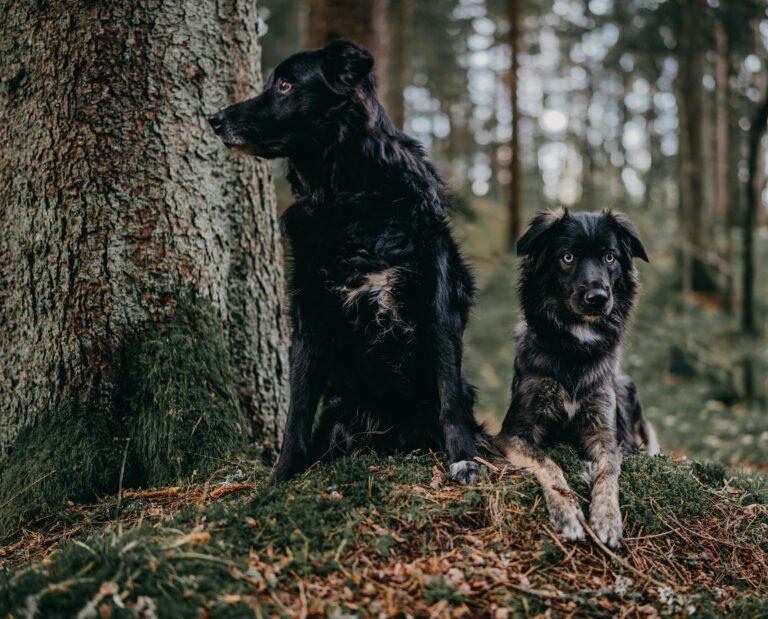
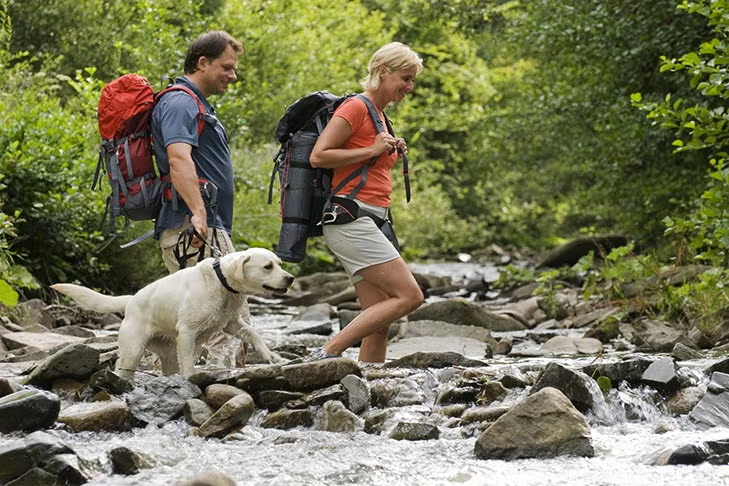
Hiking trails offer a fantastic opportunity for your dog to explore nature while enjoying off-leash freedom. Trails often vary in difficulty, allowing you to choose the best fit for your dog’s energy level and stamina. Being out in nature is enriching and stimulating for both you and your dog, creating lasting memories together.
When choosing a hiking trail, consider paths that are known for being dog-friendly, often labeled in local parks or online resources. You’ll find that many trails have specific areas where dogs can roam off-leash, surrounded by beautiful scenery. Ensure your dog is well-trained to respond to commands, which will enhance safety while exploring wildlife and other hikers. Whether you prefer a gentle stroll through the woods or a more challenging mountainous route, these experiences provide mental and physical stimulation for your dog, creating a deeper bond between you two.
Tips for Successful Off-Leash Adventures
- Prioritize training to strengthen your dog’s recall.
- Select safe, open spaces away from traffic and hazards.
- Bring plenty of water and snacks for both you and your dog.
- Start during quieter times to help your dog adjust.
- Keep an eye on your dog and be aware of their surroundings.
Knowing these factors can enhance your off-leash experience and foster a deeper bond with your dog.
Training Your Dog
Successful off-leash adventures begin with reliable training. Focus on teaching your dog a strong recall command during leash walks, gradually increasing distractions. Use positive reinforcement techniques, like treats and praise, to encourage them to return when called. Consistent training not only helps in maintaining control but also boosts your dog’s confidence and enjoyment in open spaces.
Choosing the Right Location
Selecting a suitable location is key to a successful off-leash outing. Parks with designated off-leash areas are ideal, as they provide a safe environment where dogs can roam freely while minimizing risks. Consider factors such as the terrain, proximity to other pets, and potential hazards. Familiarizing your dog with varied environments, like beaches or forests, can also enrich their experience.
Step-by-Step Guide to Going Off-Leash
| Step | Description |
| 1. Training Essentials | Focus on basic commands like sit, stay, and come, ensuring your dog can respond reliably. |
| 2. Choose the Right Environment | Select locations that are safe, secure, and free from distractions to promote off-leash experiences. |
| 3. Start Gradually | Begin in a controlled area, allowing your dog to explore as you supervise closely. |
| 4. Monitor Behaviors | Observe your dog’s body language and reactions to ensure they are comfortable and safe. |
| 5. Expand Freedom | As your dog demonstrates good recall and behavior, introduce more adventurous locations. |
Preparing Your Dog
Training your dog for off-leash freedom begins with instilling trust in their recall commands. Practice in a secure environment, rewarding them with treats and praise for responding promptly. Gradually increase distractions, encouraging focus on you. Using a long line can also help simulate off-leash conditions while maintaining control. Ensure your dog is comfortable with various environments and social settings to boost their confidence when exploring off-leash.
Monitoring and Safety
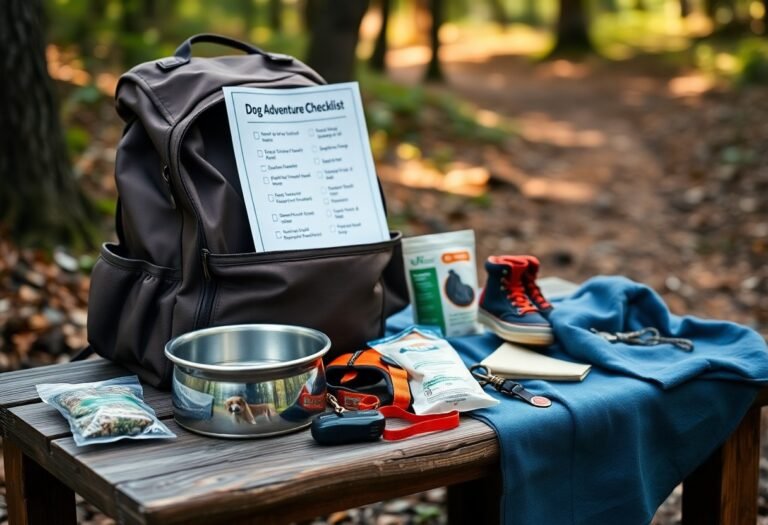
As your dog enjoys their newfound freedom, you must stay vigilant. Keep an eye on their surroundings and watch for potential dangers, such as other dogs, wildlife, or busy roads. Bring importants like a leash, water, and a first-aid kit on your adventures never hurts. Being proactive ensures both you and your dog can enjoy stress-free time together.
Monitoring your dog’s safety while off-leash is important. Always choose safe environments, and be aware of their proximity to other dogs and people. Consider using a GPS collar for added tracking capabilities in case they wander too far. If your dog exhibits unsettling behaviors, redirect their attention with a command or a toy. The goal is to establish a balance between freedom and safety, keeping both you and your furry friend relaxed and secure during your outdoor explorations.
Factors to Consider Before Going Off-Leash
- Your dog’s training level
- Safety of the environment
- Other dogs and people in the vicinity
- Your dog’s temperament
- Your comfort level with possible risks
Perceiving these factors ensures a positive off-leash experience for both you and your dog.
Dog’s Temperament
Your dog’s temperament heavily influences their ability to handle off-leash time. Active, energetic dogs often thrive in off-leash settings, as they can burn off energy and explore. Conversely, dogs with anxiety or aggressive tendencies may require stricter supervision and gradual exposure before being allowed off-leash. Understanding your dog’s personality will guide your decision on whether they’re ready for this freedom.
Environmental Considerations
Evaluating the environment is key to a successful off-leash adventure. Look for areas that are dog-friendly, such as designated parks or secluded trails that minimize risks from traffic or other hazards. Open spaces allow your dog to run freely, while ensuring boundaries help maintain control. This careful selection prevents negative encounters and enhances the experience.
Selecting well-maintained environments can make all the difference. Parks that enforce leash laws and have fenced areas can build your confidence, while trails without heavy foot traffic offer exploration opportunities without the distractions of other dogs or wildlife. Finding a proper venue reduces anxiety for both you and your dog, ensuring safety and enjoyment in every adventure.
Pros of Off-Leash Freedom
Offering your dog off-leash freedom not only enriches their life but also positively impacts your bond. The joys and benefits are numerous and can enhance your dog’s physical health, boost social skills, and promote overall happiness. Let’s explore some of these compelling advantages.
Physical Benefits
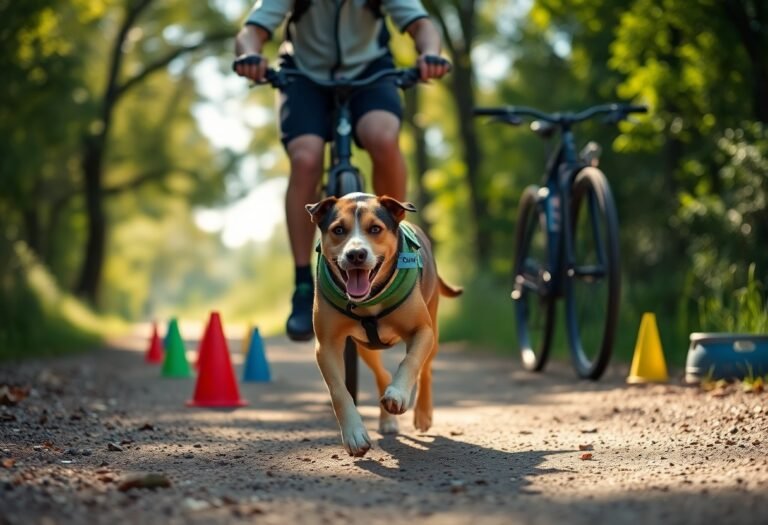
Engaging in off-leash activities allows your dog to run, jump, and play freely, which is necessary for maintaining a healthy weight and enhancing cardiovascular fitness. Increased physical activity strengthens muscles and joints while improving agility and coordination. A well-exercised dog will also exhibit less behavioral issues, leading to a happier pet and owner.
Socialization Opportunities
When your dog has the chance to romp off-leash, they encounter various stimuli and other dogs, fostering necessary social skills. Interacting with different breeds and personalities enables your dog to learn proper play behaviors and bite inhibition. This exposure minimizes fears and aggressive tendencies, creating a more confident pup.
Socialization through off-leash experiences is vital for behavioral development; studies indicate that dogs properly socialized during their formative years are less likely to develop anxiety and aggression toward unfamiliar situations. Regularly meeting new dogs helps cultivate a friendly demeanor, while varied environments stimulate mental engagement, which in turn enhances their adaptability to different contexts and challenges. By allowing your dog the opportunity to socialize off-leash, you contribute significantly to their emotional resilience and overall quality of life.
Cons of Off-Leash Freedom
Despite the joys of off-leash freedom, several challenges can arise that pet owners must consider. Control issues can surface if your dog doesn’t respond consistently to commands, possibly leading to dangerous situations. Moreover, the environment where you choose to unleash your dog plays a significant role in their safety and behavior.
Control Challenges
One significant concern is maintaining control of your dog in an off-leash setting. Without a leash, distractions can easily divert your dog’s attention, making it difficult for you to manage their behavior. This lack of control can lead to them chasing wildlife, running off, or ignoring your calls.
Safety Concerns
Safety concerns are paramount when allowing your dog to roam freely. Off-leash situations can expose your dog to potential hazards like traffic, aggressive animals, or harmful substances. Unfortunately, these risks can endanger not only your dog but also other pets and people nearby.
For instance, a study suggested that dogs off-leash near roadways are at higher risk of injury or fatal accidents. Additionally, exposure to wildlife can introduce diseases like leptospirosis or parasites like ticks and fleas. Being aware of these risks is vital to ensure safe off-leash experiences. Always evaluate your surroundings and be proactive in managing potential dangers when letting your dog enjoy their freedom outdoors.
To wrap up
Taking this into account, giving your dog off-leash freedom this season can greatly enhance their happiness and well-being. Your furry friend will thrive when they can explore the great outdoors at their own pace, building confidence and enjoying every moment. Not only will this gift strengthen the bond between you and your dog, but it will also create lasting memories of joyful adventures together. Embrace the joy of seeing your dog run free, and you’ll find that it’s the best present you can provide for them.
FAQ
Q: Why is off-leash freedom important for my dog’s well-being?
A: Off-leash freedom allows dogs to engage their natural instincts, explore their environment, and experience a sense of autonomy. This freedom contributes to their physical health by providing exercise, mental stimulation, and opportunities for socialization with other dogs and people.
Q: How can I ensure my dog is safe while off-leash?
A: To ensure your dog’s safety during off-leash activities, begin by assessing their training and obedience levels. Use a secure, fenced area to practice, and always monitor your dog’s behavior. Gradually introduce them to off-leash experiences in controlled environments, and consider using a long line for added security while they learn to respond to commands reliably.
Q: What should I consider before allowing my dog off-leash time?
A: Evaluate your dog’s temperament, training, and the environment where off-leash activities will take place. Ensure the area is free from distractions, such as busy roads or aggressive animals. Additionally, check local regulations regarding off-leash areas and be mindful of the other dogs and people present to create a positive experience for everyone.