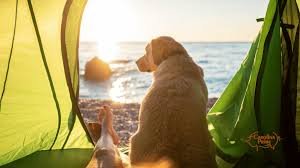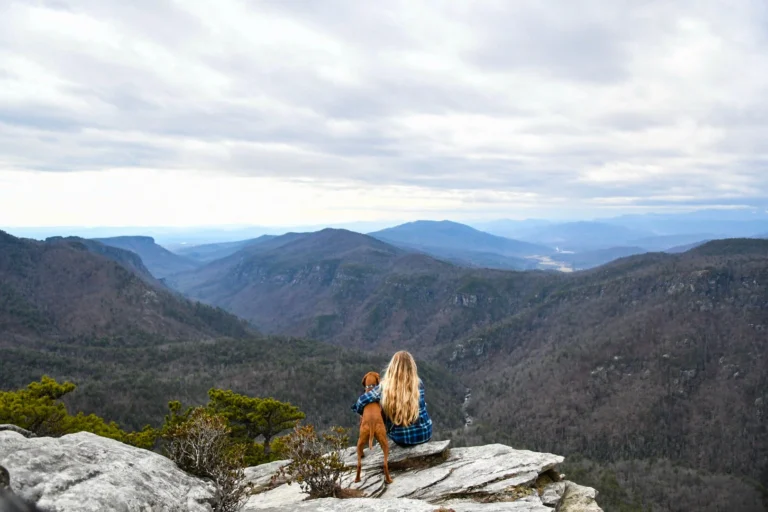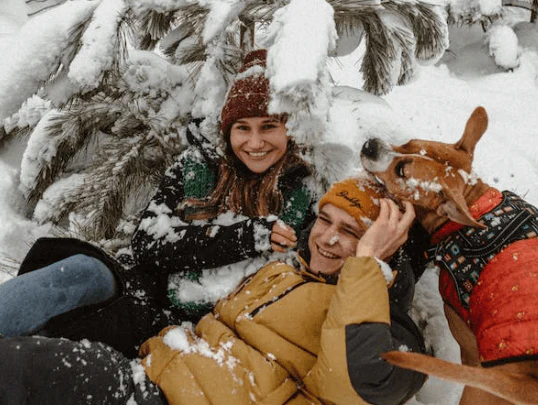
There’s nothing like hitting the trail with your pup by your side, but forgetting necessarys can turn fun into trouble fast. You’ll want food, water, and a leash, but missing a first-aid kit or ID tags could be dangerous. This simple checklist keeps your dog safe, happy, and ready for every surprise on your adventure.
Key Takeaways:
- Dogs need their own dedicated gear, including a well-fitted harness, collapsible water bowl, and enough food and treats for the trip’s duration.
- Health and safety items like a first-aid kit, leash, waste bags, and up-to-date ID tags are non-negotiable for any outdoor adventure.
- Know your dog’s limits-pack extra padding or a dog backpack if hiking long distances, and always bring a towel or blanket for comfort and cleanup.
How to Pack the Perfect Canine Kitchen
Every adventure with your pup starts with smart meal planning. Bring enough of your dog’s regular food to avoid stomach upsets, and pack a small container to portion meals. Don’t forget treats, a lightweight scoop, and waste bags. For more ideas, check out The Ultimate Dog Packing List for Your Summer Travels. After organizing your supplies, you’ll feel ready for anything.
Calculating how much extra food to bring for the journey
You’ll want to bring a little more food than you think you’ll need. Add an extra day’s worth in case of delays. This small buffer prevents stress if plans change. After packing that extra bit, you’ll have peace of mind on the road.
Tips for keeping water fresh and accessible on the move
Stale water can turn your dog off from drinking, so keep it cool and clean. Use insulated bottles or containers to maintain temperature. Offer water every few hours, especially in heat. After ensuring constant access, your pup stays hydrated and happy.
- Carry a dedicated water bottle for your dog to avoid contamination
- Choose containers with leak-proof lids to prevent spills
- Refresh water frequently to keep it tasting fresh
- Use ice packs in warm weather to keep water cool
Choosing collapsible bowls for easy and light storage
Space matters when packing light, and a flat, foldable bowl saves room. Look for durable silicone that pops open when needed. These bowls are simple to clean and dry quickly. After tucking one into your bag, you’ll wonder how you ever traveled without it.
When picking a collapsible bowl, size matters-match it to your dog’s drinking habits. Larger breeds need deeper bowls, while small dogs do fine with compact versions. Opt for ones with a non-slip base so they stay put during use. After testing a few, you’ll find your favorite go-to.
How to Stay Safe with a Doggy First Aid Kit
Every trail or beach day starts with preparation-especially when your pup’s paws are hitting rugged terrain. Pack a well-stocked doggy first aid kit so you’re ready for minor mishaps. You can download our Pet Travel Checklist to ensure nothing gets left behind. Knowing what’s inside could make all the difference when seconds count.
Essential items every outdoor first aid kit needs
A complete kit includes gauze pads, adhesive tape, tweezers, and a digital thermometer. Don’t forget antiseptic wipes and a flexible bandage for quick wraps. Knowing
- gauze pads control bleeding
- adhesive tape secures dressings
- tweezers remove splinters or ticks
- antiseptic wipes prevent infection
Tips for treating common paw pad injuries on the go
Sharp rocks and hot pavement can tear delicate paw pads. Clean the area with saline solution and apply gentle pressure if bleeding. Use a non-stick pad and secure it with a light wrap. Knowing
- saline solution safely cleans wounds
- non-stick pads prevent further damage
- light wraps allow circulation
- elevating the paw reduces swelling
When your dog yelps after a rocky scramble, stay calm and inspect the pad closely. Small cuts often heal fast if cleaned and protected. Carry a pet-safe antiseptic and avoid human products that can be toxic. Wrap the paw snugly but not tight-watch for signs of discomfort. Knowing
Factors in choosing the right tick and bug prevention
Certain areas carry higher risks for ticks and biting insects. Choose a vet-approved topical solution or oral medication based on your destination. Consider your dog’s size, coat type, and allergy history. Assume that
- topical solution works for short hikes
- oral medication offers longer protection
- size determines proper dosage
- allergy history affects product safety
Forest trails and tall grass increase exposure to ticks, which can carry serious diseases. Check your dog thoroughly after each outing and use prevention methods consistently. Some products combine flea, tick, and mosquito protection in one dose. Always consult your vet before switching brands. Assume that
How to Ensure a Cozy Night Under the Stars
You’ll want your pup to rest easy after a long day of hiking and exploring. A well-insulated sleep setup makes all the difference, especially when temperatures drop. Check out this Dog Boarding Packing Guide: What to Pack for insights on choosing gear that keeps your dog comfortable both at home and on the trail.
Picking the best portable dog bed or sleeping bag
Comfort starts with the right surface. Look for a lightweight, water-resistant dog bed or sleeping bag that offers enough cushion for rocky terrain. Compact designs that fold or roll up are easiest to carry. Perceiving your dog’s size and sleeping habits helps you choose the best fit.
Tips for keeping your pup warm in low temperatures
Cold nights demand smart layering. Begin with a thermal dog jacket and pair it with an insulated sleeping pad. Always position your dog’s bed off the cold ground and shield it from wind. Perceiving subtle signs like shivering or restlessness tells you it’s time to add warmth.
- Use a waterproof dog bed to prevent moisture buildup
- Bring a fleece-lined blanket for extra comfort
- Choose a compact, easy-to-clean design
- Ensure proper ventilation to avoid overheating
- Match bed size to your dog’s sleeping position
Essential Sleep Gear for Dogs
| Item | Why It Matters |
| Insulated sleeping pad | Blocks cold from the ground, a major heat loss point |
| Thermal dog jacket | Retains body heat during chilly nights |
| Water-resistant dog bed | Keeps your pup dry in damp conditions |
| Foldable travel pillow | Supports neck and joints for better rest |
| Reflective cover | Helps retain warmth and increases visibility |
Cold weather camping doesn’t mean sacrificing your dog’s comfort. Start with a solid base layer like a closed-cell foam pad beneath their bed to prevent ground chill. Add a breathable, fleece-lined sleeping bag that allows movement without overheating. Always monitor your dog’s breathing and posture-curled tightly may mean they’re cold. Perceiving these small cues ensures a safer, cozier night.
Managing Cleanliness and Leave No Trace
Respecting nature means keeping it as you found it-pristine and undisturbed. Your dog’s adventure shouldn’t come at the cost of the environment. Always plan ahead to minimize impact, pack out what you pack in, and follow local guidelines to preserve trails and wildlife habitats. Leave No Trace isn’t just a principle-it’s a promise you make as an outdoor-loving dog owner.
How to handle waste disposal responsibly in the wild
Always carry dog waste bags and pack out your pup’s waste-never leave it behind. Burying dog waste doesn’t break it down like human waste and can harm ecosystems. In sensitive areas, use a portable waste container for odor control. Knowing you’re protecting water sources and wildlife makes cleanup a non-negotiable part of every hike.
Quick grooming tips for cleaning up a muddy pup
Start by wiping paws with a microfiber towel to stop mud from spreading. Use a collapsible brush to loosen dried dirt and a damp cloth for sticky spots. A dog-safe wipes pack helps with quick touch-ups. Knowing your dog stays cleaner means less mess at camp and a more comfortable ride home.
- Carry a dedicated mud towel just for dirty paws and fur
- Brush your dog before and after water play to prevent matting
- Use a sand-free grooming mat at camp to contain loose dirt
- Bring a small bottle of pet-safe shampoo for spot cleaning
- Rinse muddy areas with a portable water bottle designed for pets
After a romp through wet trails or a creek, your dog might resemble a swamp creature-but a few smart habits keep things under control. Focus on high-mud zones like legs, belly, and tail. Letting mud dry slightly before brushing helps remove more debris without smearing. Knowing the right tools make cleanup fast and simple means you both enjoy more time outdoors, not stuck scrubbing at home.
Maximizing the Fun with Toys and Training
Factors for selecting durable and visible outdoor toys
Look for toys made from rugged materials that can handle rough terrain and enthusiastic play. Bright colors or reflective accents make them easier to spot in tall grass or low light. Always match the toy size to your dog’s mouth and strength. The right toy keeps playtime safe and fun.
- Durable rubber withstands chewing on the trail
- High-visibility colors prevent loss in nature
- Floatable design helps near lakes or rivers
- Lightweight means less pack space and easy throws
Tips for maintaining trail manners and steady recall
Practice basic commands regularly so your dog responds even with distractions. Use positive reinforcement like treats or praise when they check in. Keep training sessions short and fun. The stronger your bond, the more reliable their behavior.
- Stay consistent with cues like “come” and “leave it”
- Use high-value treats only on hikes to boost motivation
- Leash intermittently if recall needs work
- Minimize distractions early in training
Building reliable trail manners starts with trust and repetition. Even well-trained dogs can get overexcited by wildlife or scents, so reinforce recall cues before they bolt. Practice in low-stakes areas first, then gradually add complexity. The calm, responsive dog enjoys more freedom and safer adventures.
- Short check-ins keep your dog engaged on long trails
- Off-leash only in safe, permitted areas
- Distraction-proofing begins in your backyard
- Patience leads to lasting, joyful hikes together
Summing up
Conclusively, you’ve got everything you need to make your dog’s next adventure safe, fun, and stress-free. From snacks to safety gear, this checklist keeps you prepared without overpacking. Your pup trusts you to lead the way-now go enjoy the trail, the beach, or wherever the wagging tail points.
FAQ
Q: What should I pack for my dog on a multi-day hiking trip?
A: Pack a lightweight collar with ID tags, a sturdy leash, and a harness if you’re traveling off-leash in bear country. Bring enough high-energy dog food for the entire trip plus one extra day’s supply, stored in a sealed, odor-proof container. Include collapsible food and water bowls, at least two liters of water per day depending on climate, and a portable water filter. Don’t forget waste bags, a first-aid kit with dog-safe antiseptic and tweezers, a compact towel, and a dog-specific emergency blanket. If temperatures drop at night, add a warm dog coat or sleeping bag.
Q: Do I need special gear for my dog on a mountain trail?
A: Yes. Rugged terrain calls for dog booties to protect paws from sharp rocks, hot surfaces, or snow. Consider a dog backpack if your pet is strong and trained-it can carry their own food and water, lightening your load. A GPS tracker collar helps locate your dog if they wander. For steep or slippery trails, a dog-specific harness with a handle gives you better control. If you’re near water, a well-fitted life jacket with a handle is crucial for safety. Always test gear on short walks before the main trip.
Q: How do I prepare my dog physically for a long adventure?
A: Start with daily walks and gradually increase distance and elevation over several weeks. Introduce your dog to wearing a backpack with small weights to build endurance. Practice trail behaviors like staying close, responding to recall, and avoiding wildlife. Expose them to different surfaces-gravel, mud, snow-so they adapt easily. Schedule a vet check before the trip to confirm your dog is healthy and up to date on vaccinations and parasite prevention. Bring a copy of medical records and know the location of emergency clinics along your route.