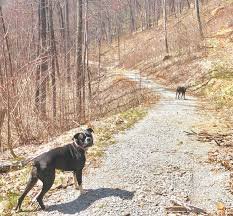
It’s possible your dog knows the trail well, but even routine paths can become disorienting due to shifting scents, weather changes, or wildlife distractions. You may not realize how quickly a familiar route turns risky when your dog follows a new animal track or loses your scent in strong winds. Dogs rely heavily on smell, not sight, making them vulnerable to getting lost even close to home. Staying alert and using ID tags or GPS collars can prevent dangerous situations.
Key Takeaways:
- Dogs rely heavily on scent markers to navigate, and changes in wind, weather, or human activity can erase or alter these familiar smells, leaving them disoriented even on well-known paths.
- Distractions like wildlife, strong odors, or sudden noises can cause dogs to chase or wander off trail, breaking their mental map of the area before they realize they’re lost.
- A dog’s sense of direction can be impaired by fatigue, injury, or stress, making it harder for them to retrace their steps even when close to home or familiar landmarks.
Primal Distractions and the Ancient Urge
Every time your dog pauses to sniff the wind, they’re tapping into instincts older than the trails you walk. That sudden bolt into the brush isn’t disobedience-it’s a deep, hardwired response to stimuli humans can’t perceive. Scent, sound, and movement trigger ancient survival pathways, pulling them away before conscious thought kicks in. Understanding Lost Dog Behavior | Kat Albrecht reveals how quickly domestication can fade in high-stimulus environments.
The Siren Song of Fresh Prey
Smell a rabbit? Your dog already chased it-mentally and often physically. A fleeting scent trail can override training in milliseconds. This instinctive pursuit is one of the leading causes of dogs vanishing on familiar paths. Once the chase begins, distance piles up fast, and disorientation follows.
Territorial Borders of the Unseen
Unseen boundaries mean everything to a dog. They detect scent markers from other animals, often invisible to you, that signal contested or foreign zones. Crossing one can trigger flight or defensive wandering. Many lost dogs aren’t running *from* danger but *toward* what they perceive as duty or challenge.
These invisible lines aren’t marked by signs or fences but by pheromones and subtle environmental cues only canines interpret. When your dog hesitates at a seemingly empty patch of woods, they may be reading a complex social map. Disrupting this unseen order can send them off-trail, driven by an urge to investigate or defend what you can’t see.
Sensory Static in the Wilderness
Dogs rely heavily on their senses to orient themselves, but natural environments can distort these signals in unexpected ways. What seems like familiar terrain to you may feel alien to your dog when environmental conditions shift. Subtle changes in scent, sound, and atmospheric pressure can disrupt their internal navigation, leading even seasoned trail dogs astray.
Auditory Confusion in the Echoing Timber
Sound behaves unpredictably in dense forests, where echoes bounce between trees and terrain. Your dog may hear your call but misjudge its direction, turning toward a false source. This auditory mirage can pull them off course in seconds, especially if they’re already disoriented.
Atmospheric Pressure and the Muting of Instinct
Shifts in air pressure before storms can dull your dog’s sensory perception. Their nose, usually sharp and reliable, may struggle to lock onto familiar trails. This invisible change suppresses their natural instincts, leaving them confused despite being on well-known paths.
You’ve likely noticed your dog acting restless or withdrawn before bad weather. That’s not coincidence-it’s their body reacting to environmental cues humans can’t detect. When pressure drops, their ability to interpret scent trails weakens, making it dangerously easy to lose their way even yards from home.
The Psychology of the Lost Domestic
Every dog carries a mind shaped by instinct and routine, yet even the most familiar path can become a maze under stress. When your dog bolts, it’s rarely curiosity driving them-it’s fear overriding learned behavior. The scent of a stranger, a sudden noise, or an off-leash encounter can trigger a cascade of panic, erasing the mental map they once relied on. Explore Friendly Lost Dog Strategies to understand how calm, targeted actions increase recovery odds.
Adrenaline and the Erosion of Memory
Adrenaline floods your dog’s system the moment fear takes hold, shutting down higher cognitive functions. Their ability to recall landmarks, trails, or even your voice weakens as survival instincts take over. This mental override means they may run past their own home without recognizing it, trapped in a state where familiarity no longer registers. Memory isn’t lost-it’s inaccessible.
The Blind Flight of the Fearful Heart
Fear drives your dog to flee, not think. They don’t plan a route or seek shelter-they run until exhaustion halts them, often miles from safety. During this blind flight, they become unrecognizable to themselves, avoiding people, sounds, and anything associated with the threat. Their instincts prioritize distance over direction, making recovery unpredictable.
Understanding this flight pattern reveals why searching near the point of escape often fails. Your dog may be too terrified to respond, even if they hear your call. Patience, scent-based recovery tactics, and avoiding high-traffic areas increase the chance of a safe return. Their heart is racing, but it’s still beating for home.
Environmental Erasure
Trails you’ve walked dozens of times can become alien terrain without warning. Nature doesn’t preserve landmarks-it reclaims them. What once stood as a reliable tree, rock, or bend in the path may vanish overnight, leaving your dog disoriented despite years of familiarity. Their mental map depends on sensory cues that are far more fragile than you assume.
Even subtle shifts in terrain or scent availability can compromise your dog’s ability to lead the way home. When the environment changes faster than memory can adapt, confidence turns to confusion, and a routine hike becomes a search mission.
Precipitation and the Death of Landmarks
Rain, snow, or sleet can wash away the very markers your dog relies on. A fallen branch that once smelled distinct dissolves into mulch after a storm, erasing a key navigational cue. Wet ground masks scent trails that were clear just hours before, making familiar turns feel uncertain.
You might not notice the missing landmarks, but your dog does. What looks like the same trail to you may be unrecognizable to their senses, especially when puddles obscure scent lines or mud covers textured terrain they once navigated by paw feel.
Seasonal Metamorphosis of the Forest Floor
Leaves shift from crisp brown carpets in fall to slick, rotting layers in spring, altering both smell and texture underfoot. Your dog’s memory of the trail is tied to these seasonal signatures, and when they change, so does the dog’s certainty. A path that smelled of pine needles in winter may reek of damp moss in summer, disrupting their internal GPS.
Even the plants themselves transform-what was once a thorny bush your dog avoided may now be a soft patch of ferns, inviting exploration in the wrong direction. These shifts aren’t just visual; they’re sensory overhauls.
Consider how deeply your dog depends on the forest’s rhythm. The same trail in April feels nothing like it does in October-not just to you, but to their nose and paws. When the ground mutates beneath them, their confidence erodes with every unfamiliar step, turning known territory into a maze of doubt.
The Failure of Visual Anchors
Light shifts in ways you rarely notice, but your dog feels every change. Shadow play alters the shape of trees, rocks, and paths, turning familiar markers into unrecognizable forms. When sunlight slants low, even a well-known trail can appear foreign. Your dog relies on consistent visual cues, and when perspective distorts, their mental map falters. What looks like a simple bend in the path to you may read as a complete rerouting to them.
Shadow Play and the Distortion of Perspective
Shadows stretch and merge as the sun moves, reshaping the trail in subtle but dangerous ways. A boulder that stood clearly to the left now seems centered, blocking what was once an open route. Your dog hesitates, confused by the altered geometry. Depth perception shifts, making drops appear shallower or steeper than they are. These distortions break the reliability of visual anchors they’ve come to trust.
The Monotony of the Deep Green
Endless trees, uniform foliage, and lack of contrast erase distinguishing features. In dense forest, every turn looks like the last. Your dog struggles to spot unique markers when every pine looks the same. This visual sameness leads to disorientation, even on trails walked dozens of times. Without variation, memory fails.
Patterns repeat so consistently that your dog’s brain stops registering new input. The trail becomes a blur of green, offering no standout cues. You might think the red ribbon on that one oak is obvious, but from nose level, it’s lost in a sea of leaves. Monotony overrides memory, making it easy to drift off course without realizing it.
To wrap up
So you know your dog well, yet they still get lost on familiar trails. Changes in scent markers due to weather, wildlife, or human activity can confuse even the most experienced canine. Their reliance on smell means a shifted breeze or new path can break their mental map. You may assume safety in known areas, but dogs perceive environments differently. If you lose your dog in unfamiliar terrain leave clothing or personal items behind-this tip from a LPT If you lose your dog in unfamiliar terrain leave … thread helps guide them back using scent trails you leave behind.
FAQ
Q: Why would a dog get lost on a trail it has walked many times before?
A: A dog can become disoriented on a familiar trail due to changes in scent markers. Dogs rely heavily on their sense of smell to navigate, and shifts in weather, recent rain, or new human or animal traffic can alter or erase the scent trails they remember. Wind patterns may also scatter familiar odors, making the environment seem unfamiliar. Even subtle changes in vegetation or trail layout can confuse a dog, especially if they were relying on visual cues that are now different.
Q: Can a dog’s behavior during a walk increase the chance of getting lost?
A: Yes, a dog’s natural instincts can lead it away from known paths. If a dog picks up the scent of wildlife, another animal, or even food, it may follow that trail without hesitation. This strong drive to investigate can override its memory of the route back. Dogs that are easily excited or not consistently trained to respond to recall commands are more likely to wander too far. Even well-behaved dogs can become distracted by sudden noises or movements, leading them off the trail before their owner notices.
Q: Do environmental factors like time of day affect a dog’s ability to find its way?
A: Time of day influences lighting, temperature, and animal activity, all of which impact a dog’s navigation. At dawn or dusk, shadows and low light can make familiar landmarks look different. Nocturnal animals become active, introducing new scents and sounds that may pull a dog off course. Cooler evening temperatures can also carry scents differently, making old markers harder to detect. A dog used to walking in daylight may struggle to recognize the same trail after dark, even if it has been there before.