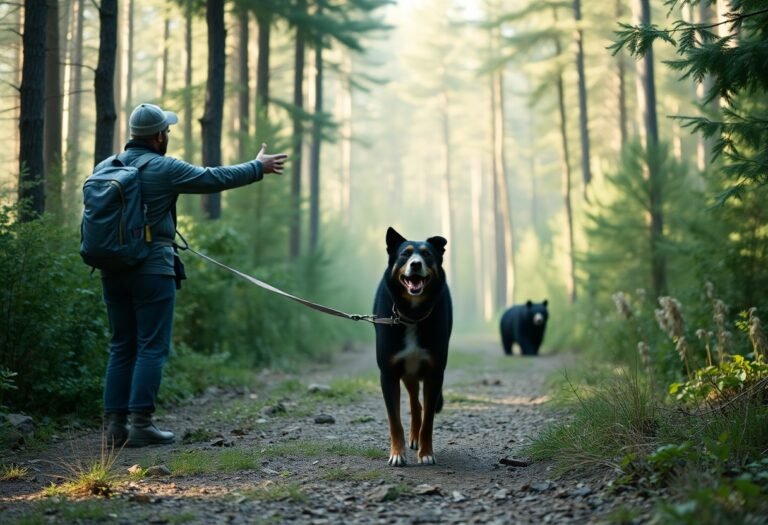
There’s a good chance you’re overlooking toxic plants like hemlock and water contaminated with blue-green algae, both of which pose life-threatening risks to your dog. Uneven terrain can lead to serious joint injuries, while wildlife encounters often happen without warning. You may not see the danger until it’s too late.
Key Takeaways:
- Dogs can ingest toxic plants or chemicals on trails that look harmless, like certain mushrooms or pesticide-treated vegetation, leading to serious health issues.
- Overexertion in hot weather often goes unnoticed until it’s too late-panting and lagging behind are early signs of heat stress that many owners overlook.
- Wildlife encounters, even brief ones with small animals like rodents or snakes, can result in bites, parasites, or diseases such as leptospirosis or Lyme disease.
The Deceptive Calm of the Summer Sun
Heat Exhaustion Beneath the Fur
Your dog may seem fine at the start of your hike, but heat exhaustion can set in silently under that thick coat. Unlike humans, dogs cool themselves primarily through panting, which becomes less effective in high heat and humidity. You might not notice the warning signs-slowed pace, excessive drooling, or unsteady steps-until it’s too late. By then, your dog could be dangerously overheated, risking organ damage or worse.
The Scorched Earth of the Granite Path
Stone paths absorb and radiate heat, turning into surfaces that can burn your dog’s paw pads in minutes. Even if the air feels pleasant, granite or rock trails can exceed 140°F in direct sun. You wouldn’t walk barefoot on a hot car hood-don’t expect your dog to handle scorching stone. Blistered paws lead to pain, infection, and long-term mobility issues.
Test the trail surface with your hand for seven seconds-if it’s too hot for you, it’s unsafe for your dog. Trails with exposed rock, especially in alpine or desert regions, retain heat long after peak sun. Early morning or shaded forest routes are far safer during summer months. Always carry booties or plan routes with grass or dirt alternatives.
The Green Saboteurs of the Meadow
Nature’s beauty on the trail can mask silent threats hiding in plain sight. What looks like a peaceful meadow may harbor dangers that most dog owners overlook. Your dog’s curiosity drives them to explore every tuft of grass and shaded thicket, but this instinct can expose them to unseen hazards lurking in the undergrowth.
Barbed Seeds and the Foxtail Invasion
Barbed seeds like foxtails cling to your dog’s fur with alarming ease. These sharp, spine-covered grass awns can burrow into ears, eyes, nostrils, or paw pads, causing pain, infection, or even surgery. Once embedded, they don’t dissolve and can migrate deeper into tissue over time.
You might not notice the problem until your dog starts shaking their head or limping. Early detection is key-check your dog thoroughly after every trail walk, especially during dry, warm months when foxtails are most prevalent.
Toxic Foliage in the Deep Shade
Shaded forest floors often host plants like poison hemlock, foxglove, or rhododendron-all highly toxic if ingested. Your dog may nibble leaves out of curiosity or while chasing wildlife. Even small amounts can trigger drooling, vomiting, or worse.
These plants thrive in damp, low-light areas where dogs love to explore. Their appealing appearance makes them deceptive; what looks harmless could be life-threatening.
Many toxic plants grow where trails narrow and brush thickens, increasing exposure risk. Hemlock, for example, resembles wild carrot but carries potent neurotoxins that can paralyze breathing. Knowing which species grow in your region-and keeping your dog on a leash near dense foliage-can prevent a tragedy. Never assume a plant is safe just because it’s green.
The Treachery of the Mountain Spring
Microscopic Fiends in the Running Water
You might trust the crystal-clear stream tumbling down the rocks, but looks deceive. Giardia and other waterborne parasites thrive in even the most pristine-looking alpine runoff. These microscopic threats pass easily from contaminated water to your dog after a refreshing drink. Symptoms like diarrhea and lethargy can appear days later, turning a joyful hike into a vet visit.
Healthy springs often host wildlife upstream-deer, beavers, or birds-whose waste carries pathogens. Your dog’s immune system isn’t equipped to handle every backcountry invader. Always carry clean water and a portable bowl to prevent exposure.
The Stagnant Breath of Blue-Green Algae
Still, warm pools along spring paths may hide a silent killer: blue-green algae, or cyanobacteria. These toxic blooms produce neurotoxins that can sicken or kill a dog within hours of contact. Even a quick swim or a curious sniff near scum-covered edges risks severe poisoning.
You won’t always see bright green swirls-some blooms are invisible. If the water smells musty or looks like spilled paint, keep your dog far away. No amount of hydration is worth the risk.
Blue-green algae thrive in nutrient-rich, slow-moving water, especially in late summer when temperatures rise. Unlike fast-flowing streams, these stagnant pockets offer the perfect breeding ground. Dogs exposed can collapse within 15 minutes, showing tremors, vomiting, or difficulty breathing. Immediate veterinary care is critical-but often too late. Prevention is your only real defense.
Gravity and the Unstable Ground
Every step you take on a trail shapes your dog’s path, but gravity waits silently for a misstep. Uneven terrain, loose rocks, and eroded soil create unpredictable hazards that most owners overlook. Your dog’s enthusiasm can quickly turn dangerous when the ground beneath them gives way. Always keep your dog close on narrow paths and avoid areas showing signs of erosion. Dogs not allowed on trails for safety reasons often reflects real risks backed by tragic incidents.
The Slip of the Crumbling Edge
One wrong paw placement near a cliff edge can lead to a fall. Trails with worn or crumbling edges hide serious risks, especially after rain. Your dog may not recognize the danger until it’s too late. Stay on marked paths and keep your dog on a short leash near drop-offs.
Loose gravel and shallow root systems make edges unstable. Even a small shift in weight can trigger a collapse. Never assume your dog’s agility will save them-prevention is the only real safeguard.
Hidden Crevices in the High Country
Thin crusts of soil sometimes cover deep fissures in alpine zones. Your dog might leap over what looks like a small crack, only to plunge into a hidden void. These gaps are often invisible under grass or snow. Sticking to established trails reduces the chance of a hidden trap.
High-altitude terrain shifts with freeze-thaw cycles, opening new crevices overnight. What was solid ground yesterday may be treacherous today.
These hidden crevices aren’t just deep-they can be narrow enough to trap a leg or paw, leading to panic and injury. Rescue in remote high country is slow and difficult. A moment of exploration isn’t worth a lifetime of consequences.
The Peril of the Sudden Descent
A trail that appears flat can drop sharply just off the path’s edge. Dogs chasing wildlife often don’t see the incline until they’re sliding. These sudden descents can stretch dozens of feet into rocky ravines. One sprint after a squirrel can end in a broken limb-or worse.
Steep drop-offs are especially dangerous on switchbacks or ridge lines. Your dog’s momentum works against them when the ground vanishes.
These drop-offs are often masked by overgrowth or blind corners. Even well-marked trails can have unobvious dangers just steps off the path. Keeping your dog within sight and under control is the only way to prevent a tragic fall.

The Tiny Assassins of the Brush
Every rustle in the underbrush could signal danger when you’re hiking with your dog. Ticks lie in wait, clinging to grass and shrubs, ready to latch onto your pet and transmit life-threatening diseases. These silent invaders are more common than most owners realize, especially in wooded or overgrown areas. To stay ahead, check your dog thoroughly after every trail outing. For more on how to Keep Your Dog Safe This Summer – Outdoor Dangers, consult expert guidance tailored to seasonal risks.
The Patient Wait of the Blood-Suckers
Ticks don’t chase-they wait. Motionless on low foliage, they sense your dog’s warmth and carbon dioxide, then latch on within seconds. Once attached, they can transmit Lyme disease, ehrlichiosis, or anaplasmosis in as little as 24 to 48 hours. Your best defense is immediate detection and removal.
Winged Pests and the Spread of Sickness
Mosquitoes thrive near damp trails and stagnant water. They carry heartworm larvae, a potentially fatal condition that invades your dog’s bloodstream and damages the heart and lungs. Even one bite can start the infection.
Prevention starts before the hike. Monthly heartworm medication and avoiding peak insect hours reduce risk significantly. These tiny fliers make silent threats, but your actions can stop them.
Heartworm disease spreads exclusively through mosquito bites, meaning any outdoor exposure puts your dog at risk. Unlike intestinal parasites, heartworms grow undetected for months, causing irreversible damage before symptoms appear. Year-round prevention is the only reliable shield, especially in warm or humid climates where mosquitoes are active year-round.
Hidden Larvae in the Damp Soil
Hookworms and roundworms often live in moist, shaded soil where wildlife has defecated. Your dog can ingest them while sniffing, digging, or grooming muddy paws. These parasites attack the intestines and can lead to severe anemia or malnutrition.
Puppies and dogs with weakened immunity face the highest danger. Infection can happen in minutes, with larvae penetrating skin or entering through the mouth.
Damp trailside soil may look harmless, but it can harbor parasitic eggs for months. Once inside your dog, hookworm larvae migrate to the intestines and feed on blood, causing weight loss, diarrhea, and in severe cases, death. Regular fecal exams and prompt cleanup of waste reduce environmental contamination and protect other dogs on the trail.
The Primitive Conflict of Wild Kin
Every trail you hike with your dog cuts through ancestral territory where instincts still rule. Wild animals don’t recognize leashes or good behavior-they see movement, scent, and potential threat. Your dog, no matter how gentle, may unknowingly trigger deep-seated survival responses in creatures you never see. Respect this invisible boundary; it’s not your land, and dominance here belongs to those born in silence.
Even familiar paths wind through domains governed by ancient rules. A squirrel’s alarm call, a sudden stillness in the birds-these are warnings meant for you. Ignoring them puts both you and your dog at risk. Predators and prey alike react first, assess later. Your presence, though innocent, disrupts a fragile balance older than human trails.
The Silent Shadow of the Big Cat
Something watches from the treeline, unseen but felt. Cougars and bobcats move like smoke through the underbrush, drawn by the scent of your dog. They rarely attack humans, but dogs can trigger predatory instincts. If your dog suddenly freezes or whines without cause, trust that instinct-it may be sensing what you cannot.
You won’t always hear a growl or see glowing eyes. These hunters rely on stealth, and their first move may be the only warning you get. Keep your dog close, preferably on a leash, and avoid dawn or dusk hikes in known habitats. Distance is your best defense.
Defensive Fury of the Forest Denizens
A rustle in the brush could be a mother porcupine guarding her young. These slow-moving animals won’t chase, but they will lash out if startled. Your curious dog can end up with dozens of embedded quills in seconds. Treatment is painful and expensive, and infections are common.
Skunks, raccoons, and even ground squirrels may seem harmless, but cornered wildlife fights dirty. A bite or scratch can transmit disease. Never let your dog investigate holes, logs, or dense thickets where animals nest.
Porcupines are especially dangerous because they don’t flee. If your dog approaches, the quill-laden tail swings in defense. Each quill has backward-facing barbs, making removal difficult and dangerous without veterinary help. Even a brief encounter can lead to days of suffering and costly surgery. Prevention is far safer than treatment.
The Venomous Strike from the Stone
A sun-warmed rock might hide a coiled rattlesnake. These reptiles don’t seek conflict, but they will strike if stepped on or threatened. Dog bites often occur on the face or legs, causing severe swelling and tissue damage. Antivenom is critical and time-sensitive.
You may not hear the rattle-some snakes remain silent when startled. Stick to clear paths and avoid letting your dog explore rocky crevices or tall grass. A single bite can turn a peaceful hike into an emergency.
Rattlesnake bites demand immediate veterinary care. Delay increases the risk of permanent injury or death. Some regions offer rattlesnake vaccines, but they don’t replace urgent treatment. Keep your dog leashed near known habitats and stay alert, especially in dry, warm weather when snakes are most active.
Final Words
Conclusively, the trail holds unseen risks that can compromise your dog’s safety, from toxic plants and hidden wildlife to temperature extremes and trail debris. You may focus on exercise and bonding, but overlooking these hazards puts your pet at unnecessary risk. Watch for subtle signs of distress, carry a basic emergency kit, and always assess the environment before letting your dog explore off-leash. Your awareness is the strongest defense against these silent threats.
FAQ
Q: What hidden trail hazards can harm my dog’s paws without me noticing?
A: Hot rocks, sharp gravel, and hidden thorns can cut or burn your dog’s paw pads, especially on dry, sunbaked trails. Many owners don’t realize that even brief exposure to scorching surfaces can cause blistering. Some plants, like foxtails or cheatgrass, have stiff seeds that burrow into paw fur and can work their way into the skin over time. These often go unnoticed until infection sets in. Checking your dog’s paws during and after every hike-spreading the toes and inspecting between the pads-can catch these issues early.
Q: Can seemingly clean streams on trails actually be dangerous for dogs?
A: Yes. Water that looks clear and safe may contain parasites like Giardia or toxic blue-green algae. Dogs often drink from puddles, slow-moving streams, or stagnant ponds without hesitation. Giardia causes severe diarrhea and dehydration, while certain algae produce neurotoxins that can be fatal within hours. Even a small amount of contaminated water can make a dog seriously ill. Carrying a portable water bottle and bowl for your dog helps prevent them from drinking unknown sources.
Q: How do insects on trails pose a risk beyond simple bites?
A: Insects like ticks, mosquitoes, and biting flies carry diseases such as Lyme disease, heartworm, and Rocky Mountain spotted fever. Ticks can attach in hidden spots-under collars, between toes, or inside ear flaps-and go undetected for days. Mosquitoes transmit heartworm larvae through bites, and prevention requires consistent medication. Using vet-approved topical or oral preventatives and doing a full-body check after every trail outing reduces the risk. Some dogs also have severe allergic reactions to insect stings, especially from bees or wasps hiding in tall grass.