It’s dangerous to hike with your dog when temperatures rise above 80°F, as heatstroke can develop rapidly in canines. Your dog’s paws can burn on hot surfaces, and humidity increases the risk even at lower temps. For more details on what temperature is too hot for hiking with dogs, see this discussion. Always prioritize your dog’s safety.
Key Takeaways:
- Temperatures above 77°F (25°C) can put dogs at risk for overheating, especially during physical activity like hiking, because they cool themselves less efficiently than humans.
- Pavement and trail surfaces can become dangerously hot even when air temperatures feel mild, potentially burning your dog’s paw pads-test the ground with your hand before starting your hike.
- Signs of heat exhaustion in dogs include excessive panting, drooling, weakness, and vomiting; if observed, stop activity immediately, move to shade, and offer water.
The Physiology of the Wild Beast
How Dogs Regulate Body Temperature
Your dog doesn’t sweat like you do. While humans release heat through pores all over the skin, dogs rely almost entirely on panting to cool down. As they breathe rapidly, moisture evaporates from their tongue, mouth, and lungs, carrying heat away from their core. This process is effective-up to a point-but it has limits. When ambient temperatures rise, especially in humid conditions, the air holds more moisture, making evaporation less efficient. If your dog can’t cool itself through panting, their internal temperature begins to climb dangerously. Unlike you, they can’t simply remove a layer of clothing or step into the shade when overheated. Their ability to thermoregulate is constrained by biology and environment.
The Dangers of Overheating
Heatstroke in dogs isn’t a gradual decline-it’s a rapid, life-threatening emergency. Once your dog’s body temperature exceeds 104°F, cellular damage begins. At 106°F and above, organ systems start to fail. You might notice excessive drooling, unsteady gait, or vomiting. These are not signs to push through-they’re red flags that demand immediate action. Unlike humans, dogs lack the physiological tools to quickly shed excess heat, and their compact builds trap warmth. Even a short hike on a 90°F day with high humidity can push them past their threshold, especially if they’re brachycephalic (like Bulldogs or Pugs) or overweight.
Recognizing the Limits of Canine Endurance
Every dog has a different tolerance for heat, shaped by breed, age, fitness, and coat type. A young Border Collie may seem tireless on a cool morning, but that same energy can turn dangerous when trail surfaces exceed 120°F. Pavement, rock, and even packed dirt absorb and radiate heat, increasing the thermal load on your dog’s body. Paws are sensitive-burned pads can end a hike fast and cause long-term pain. You need to monitor not just how fast they’re moving, but how they’re breathing, whether they’re lagging, or if they’re refusing to go on. These aren’t signs of laziness-they’re survival instincts kicking in.
Why Instinct Isn’t Enough
Your dog trusts you to make decisions they can’t. While wild canids regulate activity by resting during peak heat, domesticated dogs often push themselves to please their owners. They’ll keep walking even when their body screams to stop. This loyalty becomes a liability in extreme conditions. You are the only one who can say “turn back” before it’s too late. Their physiology hasn’t evolved for marathon hikes in summer heat, no matter how enthusiastic they seem at the trailhead. Respect their limits, not just their eagerness.
Reading the Warning Signs of the Trail
Watch for Subtle Behavioral Shifts
You know your dog better than anyone, and their normal behavior is your baseline. If your usually energetic companion starts lagging behind, refusing to move forward, or constantly stopping to sit-even on flat terrain-these are early red flags. Puppies and high-drive breeds often push themselves too hard, ignoring their body’s signals until they’re in real danger. A sudden lack of interest in treats, toys, or commands can also indicate overheating. Never dismiss hesitation as laziness; it may be your dog’s only way to say they can’t continue safely.
Monitor Physical Symptoms Closely
Heavy panting that doesn’t ease during short breaks is one of the first physical warnings. If your dog’s gums or tongue appear darker than usual-turning deep red, purple, or even blue-heat stroke is likely underway. Check their breathing: rapid, shallow breaths or gasping are serious signs. You might also notice drooling that’s excessive or thick, wobbling gait, or glazed eyes. Once these symptoms appear, immediate action is required-find shade, offer water, and cool them down gradually. Do not wait for collapse; by then, the situation is life-threatening.
Feel the Ground Before You Go
Asphalt and dark rock can reach temperatures far above the air reading, sometimes exceeding 140°F (60°C) on a 90°F (32°C) day. Place the back of your hand on the trail surface for seven seconds-if you can’t hold it that long, it’s too hot for your dog’s paws. Burned pads are painful and increase the risk of infection, but more importantly, overheated ground contributes to overall body temperature rise. Trails in direct sun with little tree cover pose the highest risk. Stick to shaded, grassy, or dirt paths whenever possible, especially during midday hours.
Trust Your Instincts Over the Weather App
A temperature reading doesn’t tell the full story. Humidity, sun exposure, wind, and trail elevation all influence how your dog experiences the heat. If the air feels thick and still, or if you’re sweating heavily just standing still, your dog is working even harder to cool down. When in doubt, turn back. There’s no shame in cutting a hike short. Your dog’s safety depends on your judgment, not your pride. A trail that felt manageable at the start can become dangerous as temperatures climb by mid-afternoon.
The Scorched Earth Policy
Ground Temperatures That Burn
You might think your dog can handle a warm day if they’re still moving, but the real danger often lies beneath their paws. Asphalt and concrete can reach temperatures over 140°F (60°C) when the air is just 85°F (29°C), turning every step into a potential burn. Unlike you, your dog can’t remove their shoes or pause to cool off-those sensitive paw pads are in constant contact with scorching surfaces. Test the ground with your bare hand: if you can’t hold it there for seven seconds, it’s too hot for your dog to walk on.
Signs of Heat Distress
Heat exhaustion doesn’t announce itself gently. Heavy panting, drooling, stumbling, or sudden lethargy are red flags that your dog is struggling to cool down. Once these symptoms appear, immediate action is required-move to shade, offer water, and cool their body gradually. Ignoring these signs can lead to heatstroke, a life-threatening condition that can cause organ failure within minutes. You’re responsible for recognizing the shift from exertion to emergency, and acting before it’s too late.
Timing Matters More Than Distance
Even a short hike can become dangerous if it’s done at the wrong time of day. Midday sun intensifies ground heat and reduces your dog’s ability to regulate body temperature. Aim for early morning or late evening outings when surfaces have cooled overnight and air temperatures are lower. A 30-minute walk at 6 a.m. is far safer than a 10-minute stroll at 2 p.m. on a 90-degree day. Your dog’s safety depends more on timing than trail length.
Choosing the Right Terrain
Natural surfaces like dirt, grass, or shaded forest floors absorb less heat than paved paths or exposed rock. When planning your route, prioritize trails with tree cover and avoid open desert or rocky ridgelines during peak heat. Shaded, uneven terrain not only stays cooler but also offers your dog better grip and fewer burn risks. You’re not just picking a path-you’re curating a safer thermal environment for your companion.
The Threshold of Danger
Recognizing Heat Stress in Your Dog
You know your dog better than anyone, and that familiarity becomes your greatest tool when hiking in warm weather. Heavy panting, drooling, or an unsteady gait are early signs your dog is struggling to cool down. Unlike humans, dogs can’t sweat through their skin-panting is their primary method of heat dissipation, and when it’s not enough, their body temperature rises rapidly. If your dog starts lagging behind, lying down frequently, or seems disoriented, these are not signs of laziness-they are warnings. At this stage, immediate action is required: stop hiking, find shade, and offer small sips of water.
When Ground Temperature Becomes a Threat
Asphalt and dark trail surfaces absorb heat quickly, often reaching temperatures far above the air reading. Even if the morning air feels mild, the ground beneath your dog’s paws can exceed 140°F (60°C) by midday. Burned paw pads happen fast and are extremely painful. Test the surface with the back of your hand-if you can’t hold it there for seven seconds, it’s too hot for your dog’s feet. Trails with packed dirt, grass, or shaded paths are safer, but always check conditions before setting out. Your dog’s comfort and safety depend on your awareness of what’s underfoot.
The Point of No Return
Heatstroke in dogs is a medical emergency, and it can develop in as little as 15 minutes under extreme conditions. When your dog stops panting, vomits, collapses, or loses consciousness, every second counts. This is not a situation to “wait and see.” Immediate cooling-using wet towels, shade, and airflow-is imperative, but it’s not a substitute for veterinary care. Even if your dog seems to recover after cooling down, internal damage may have occurred. Never push past the warning signs; turning back early is always the smarter, safer choice.
Essential Gear for the Sun-Drenched Path
Hydration That Keeps Up With You Both
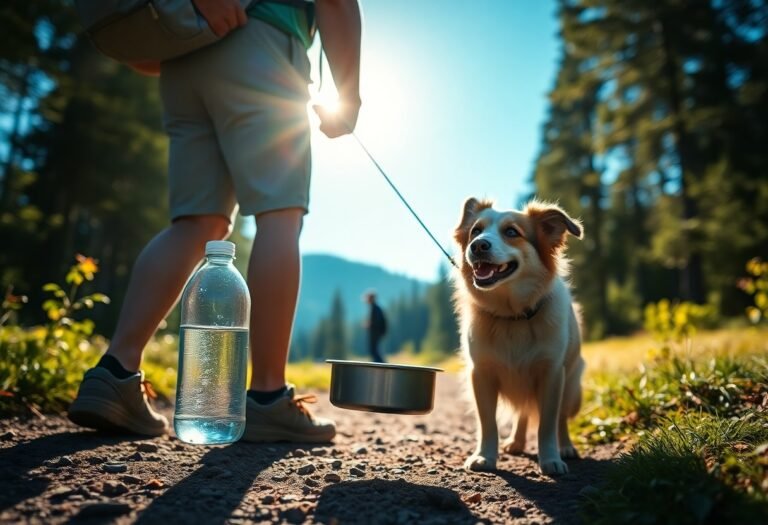
Water isn’t optional when the sun beats down-you need enough for both you and your dog, and then some. A collapsible silicone bowl paired with a hands-free hydration pack lets you offer sips without breaking stride. Never assume your dog will drink less just because they’re not panting heavily yet; by the time signs of dehydration appear, damage may already be underway. Carry at least 16 ounces of water per 10 pounds of your dog’s weight for hikes under two hours in heat above 75°F.
Protective Footwear and Paw Care
Hot trail surfaces can burn your dog’s paw pads in minutes, especially on asphalt or exposed rock. Boots designed for hiking provide grip and insulation, but make sure they fit snugly to prevent blisters. Test them on short walks first-ill-fitting boots can do more harm than good. If your dog resists wearing them, check the trail surface with the back of your hand; if you can’t hold it there for seven seconds, it’s too hot for their paws.
Shade, Sunscreen, and Smart Timing
UV exposure affects dogs too, especially those with short or light-colored coats. Apply pet-safe sunscreen to vulnerable areas like the nose, ears, and belly. Pair this with a lightweight cooling vest that wicks moisture and reflects sunlight. Even with gear, the safest move is avoiding peak sun between 10 a.m. and 4 p.m. When in doubt about trail conditions, check firsthand experiences from other hikers-like this discussion on When do you decide it’s too hot to take your dog hiking?-to gauge real-time risks.
Emergency Readiness on Scorching Trails
Heatstroke can escalate fast, turning a fun outing into a crisis. Always carry a thermometer to check your dog’s temperature if they seem off-anything above 103°F is a warning sign, and 106°F demands immediate action. Include a cooling towel, electrolyte supplements, and a list of nearby emergency vet clinics in your pack. Knowing the symptoms-excessive panting, drooling, lethargy, or vomiting-could save your dog’s life. Preparation isn’t paranoia; it’s responsibility.
Wisdom of the Shaded Grove
Recognizing the Signs of Heat Distress
You know your dog better than anyone, and that deep familiarity becomes your greatest tool when hiking in warm weather. If your dog starts panting heavily beyond normal exertion, slows down abruptly, or begins drooling excessively, these are early warnings that their body is struggling to cool itself. Stumbling, confusion, or reluctance to move forward are not just signs of fatigue-they may signal the onset of heat exhaustion. Left unaddressed, these symptoms can escalate to heatstroke, a life-threatening condition that requires immediate veterinary care. Trust your instincts: if something feels off, it probably is.
The Ground Temperature Test
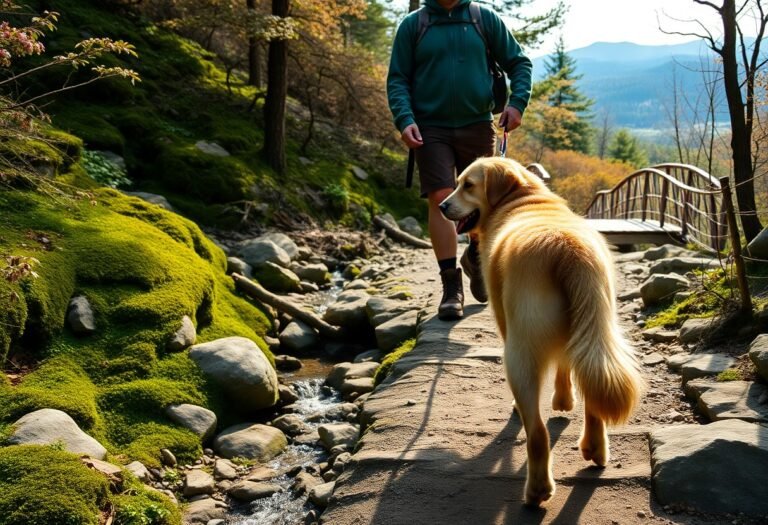
Temperature isn’t just about the air-it’s about what your dog’s paws are touching. Place the back of your hand on the trail surface for seven seconds. If it’s too hot for your skin, it’s dangerously hot for your dog’s pads, which can burn quickly on sunbaked rock or asphalt. Trails under dense tree cover often stay significantly cooler, both in air and ground temperature. Seek routes with consistent canopy coverage, especially during midday hours when solar exposure peaks. Your dog can’t tell you when the ground hurts; it’s up to you to protect them from silent hazards.
Hydration Beyond the Water Bowl
Water needs increase dramatically when ambient heat rises, and your dog can’t rely solely on what you bring in your pack. Natural water sources like streams or shaded pools may seem like perfect stops, but stagnant or algae-filled water can carry harmful bacteria or parasites that lead to illness. Always carry enough clean water for the both of you, and offer sips frequently-even if your dog doesn’t appear thirsty. Dehydration sneaks up fast, especially on uphill climbs, and a dog that stops drinking is already in trouble. Watch for dry gums or slow skin elasticity as telltale signs.
Choosing the Right Time and Trail
Early morning hikes offer the safest window when temperatures are lowest and wildlife activity is high. Trails winding through wooded areas or along north-facing slopes tend to remain cooler throughout the day. Temperatures above 80°F (27°C) drastically increase risk, especially for brachycephalic breeds like Bulldogs or Pugs, who are especially prone to overheating. Even fit, active dogs can succumb to heat stress when humidity traps body heat. Plan your route with escape points and shade availability in mind-your flexibility could be the difference between a fun outing and an emergency.
Final Words
To wrap up, your dog relies on you to decide when trail conditions become unsafe. If the pavement burns your hand in seven seconds, it’s too hot for their paws and overall health. High temperatures increase the risk of heatstroke, especially in breeds with short muzzles or thick coats. Always carry water, choose shaded trails, and hike during cooler hours. You know your dog best-trust your instincts when the heat rises.
FAQ
Q: What temperature is too hot to hike with my dog?
A: Most dogs begin to face heat-related risks when the outside temperature exceeds 80°F (27°C), especially in direct sunlight or high humidity. Unlike humans, dogs cool themselves mainly through panting and limited sweat glands in their paw pads, making it harder to regulate body temperature. On hot days, asphalt and trail surfaces can become much hotter than the air-reaching over 120°F (49°C) at just 85°F air temperature. This increases the risk of paw burns and overheating. When temperatures climb above 85°F, it’s safer to avoid midday hikes and opt for early morning or evening walks instead.
Q: How can I tell if my dog is overheating during a hike?
A: Signs of overheating in dogs include excessive panting, drooling, weakness, stumbling, bright red gums, vomiting, or difficulty breathing. A dog may also lie down and refuse to move, even if encouraged. If you notice any of these symptoms, stop hiking immediately. Move your dog to a shaded or cool area, offer small sips of water, and apply cool (not cold) water to their belly, paws, and ears. Never submerge them in ice-cold water, as this can cause shock. Heatstroke can become life-threatening within minutes, so seek veterinary care right away if symptoms don’t improve quickly.
Q: Are certain dog breeds more at risk in hot weather?
A: Yes, brachycephalic breeds like Bulldogs, Pugs, and Boston Terriers are especially vulnerable due to their shortened airways, which limit effective panting. Thick-coated breeds such as Huskies, Malamutes, and Golden Retrievers also struggle in heat, even if they appear active. Older dogs, puppies, and dogs with heart or respiratory conditions face higher risks too. Every dog has a different tolerance, so pay close attention to your pet’s behavior. If they slow down, lag behind, or seem restless, it’s time to rest or end the hike.